
Services
Chimney Inspection
Chimney Liner Installation: Pros, Cons, and Cost Factors
March 9, 2026
- By
- 832 Chimney Services
- Professional Chimney Experts
Many homeowners assume chimney liners are optional, but that’s far from the truth. At 832 Chimney Services, we’ve seen firsthand how skipping or delaying a liner installation can lead to costly structural and safety issues. Over our years of experience, one client’s fireplace produced visible cracks in the masonry because their old clay liner had eroded from years of acidic flue gases. We’ll explain the realities behind what a chimney liner actually does, the pros and cons, and what you should look for before installation. A major misconception is that liners only improve heating efficiency. In reality, they protect your masonry from heat transfer that can ignite nearby framing. Failing to install or replace one properly can lead to expensive chimney leak repairs and even fire hazards. Understanding these facts can help you make an informed, safe investment.
What Experts Actually Do and Why It Matters
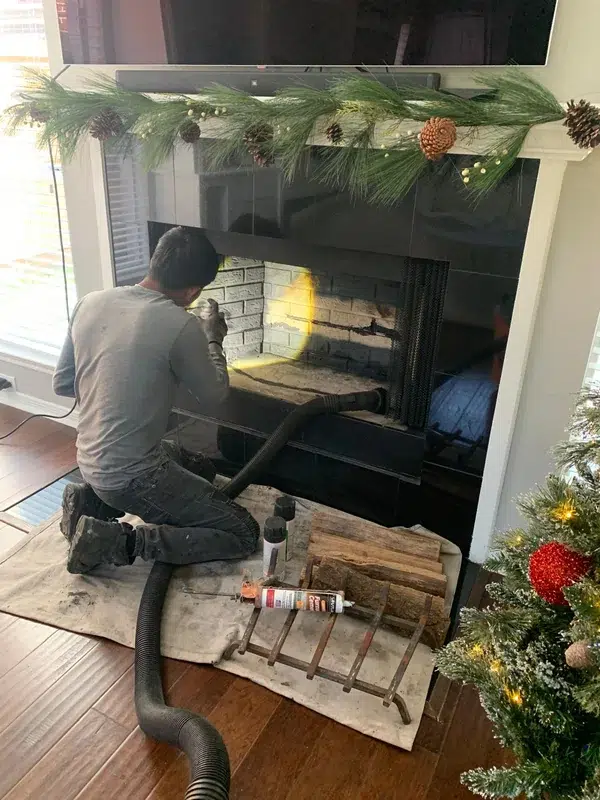
Proper chimney liner installation is not just a technical process – it is a local craft that depends on understanding the area’s specific building codes, weather patterns, and fuel types. Local expertise matters because every region faces different challenges that affect how a liner performs over time. For example, installers in humid environments often add extra insulation or vapor protection to reduce condensation, while those in colder climates adjust for thermal expansion and ice accumulation around the cap. Knowing which local code amendments govern flue sizing or vent termination heights can mean the difference between passing inspection and facing costly rework.
Certified local professionals bring insight gained from working with nearby inspectors, supply houses, and HVAC specialists who understand the materials best suited for your region. They know which stainless steel grades resist corrosion from local fuel blends and which sealants hold up against regional temperature swings. Their familiarity with common chimney designs throughout local housing developments allows them to anticipate hidden structural issues that generic installers may overlook.
When you hire a trusted local chimney expert, you are not only meeting national safety standards but also ensuring lasting performance tailored to your climate and construction style. Learn more about choosing experienced professionals through our expert chimney repair contractor resource for practical guidance specific to your area.
Certified local professionals bring insight gained from working with nearby inspectors, supply houses, and HVAC specialists who understand the materials best suited for your region. They know which stainless steel grades resist corrosion from local fuel blends and which sealants hold up against regional temperature swings. Their familiarity with common chimney designs throughout local housing developments allows them to anticipate hidden structural issues that generic installers may overlook.
When you hire a trusted local chimney expert, you are not only meeting national safety standards but also ensuring lasting performance tailored to your climate and construction style. Learn more about choosing experienced professionals through our expert chimney repair contractor resource for practical guidance specific to your area.

Practical Takeaways and When to Call a Pro
A quality chimney liner installation is an investment that pays off through safety and system efficiency. Costs can vary, but so does the value when you consider reduced risk and lifetime performance. In our experience, most homeowners spend time researching types – clay, cast-in-place, and stainless steel – yet overlook how installation complexity changes the price range.
A client once called us after attempting a DIY installation with a flexible liner kit. They saved money upfront but misjudged the flue size by an inch. The liner collapsed during operation, blocking exhaust flow. We later replaced it with an insulated, properly sized stainless steel unit that met UL standards, correcting persistent smoke issues.
Typical costs may range from $1,200 – $4,000 depending on:
Regular flue inspections after liner installation prevent corrosion and leaks. Combining this with periodic fireplace insert updates or gas appliance upgrades can enhance performance and extend service life considerably.
A client once called us after attempting a DIY installation with a flexible liner kit. They saved money upfront but misjudged the flue size by an inch. The liner collapsed during operation, blocking exhaust flow. We later replaced it with an insulated, properly sized stainless steel unit that met UL standards, correcting persistent smoke issues.
Typical costs may range from $1,200 – $4,000 depending on:
- Site complexity and chimney height
- Material quality (stainless vs aluminum)
- Total labor scope and insulation method
Regular flue inspections after liner installation prevent corrosion and leaks. Combining this with periodic fireplace insert updates or gas appliance upgrades can enhance performance and extend service life considerably.
Get a Professional Chimney Liner Check Today
If your chimney has not been inspected recently or you are uncertain about the condition or type of liner you have, now is the ideal time to act. Delaying an inspection can turn minor wear into costly structural problems. The specialists at 832 Chimney Services use advanced flue camera diagnostics, draft tests, and full safety compliance assessments to identify potential risks before they escalate. We ensure your system meets NFPA and UL standards for safe, reliable operation. Whether you need a stainless liner upgrade or a full replacement of an older clay flue, you can count on our expertise, precision, and honest recommendations. Protect your investment and your family’s safety today – call 832 Chimney Services to schedule your professional inspection right now.

FAQs
What does a chimney liner actually do?
A chimney liner serves as a crucial barrier that shields the home’s masonry, concrete, and surrounding structural components from the intense heat and moisture produced during fuel combustion. It also prevents harmful and corrosive flue gases from degrading the chimney walls over time. By creating a smooth and properly sized passage for exhaust, a liner helps establish consistent draft efficiency, allowing smoke and combustion byproducts to exit quickly and safely. Without a liner, hot gases can seep through mortar joints, damage brickwork, and allow dangerous carbon monoxide to escape into living spaces. Modern building and fire codes, including NFPA 211 standards, require appropriate liners for safety and performance. In addition, installing or upgrading a liner improves compatibility between heating appliances and the venting system, simplifies maintenance, and enhances cleaning efficiency. Regular inspections help extend the life of both the liner and the entire chimney system, protecting the home, improving energy efficiency, and ensuring compliance with insurance and manufacturer warranty requirements.
Are all chimney liner materials the same?
Not all chimney liner materials perform equally, and understanding their differences helps homeowners make safer and smarter choices. Clay tile, stainless steel, aluminum, and cast-in-place liners each offer distinct benefits, cost ranges, and limitations. Traditional clay tile liners have been used for decades and perform well in standard masonry chimneys with wood-burning appliances. However, they can crack under high heat variations and are difficult to retrofit in older chimneys without major reconstruction. Stainless steel liners – listed under UL 1777 – remain the industry’s preferred option because of their strength, corrosion resistance, and adaptability to wood, gas, or oil systems. Aluminum liners appeal to budget-conscious homeowners but should only vent low-temperature gas units, as acidic condensation or soot can quickly damage them. Cast-in-place liners create a durable, insulated barrier that reinforces chimney walls, improves draft performance, and can restore aging structures, though they demand experienced installation and proper curing. Choosing the right liner depends on multiple factors, including appliance type, chimney height, existing damage, and local building codes. A certified installer can evaluate system pressures, flue temperatures, and venting requirements to ensure both safety and long-term efficiency.
How much does chimney liner installation cost?
Pricing for chimney liner installation can vary widely due to multiple factors that influence both materials and labor requirements. The typical cost range is between $1,200 and $4,000 or more, depending on the specific details of the project and regional pricing differences. Three primary elements influence the final cost:
- Chimney height and accessibility – taller or more complex flues may need scaffolding, additional labor hours, or specialized safety equipment.
- Liner material – stainless steel systems offer excellent durability and corrosion resistance, though they usually cost more initially than aluminum or clay options.
- Overall project scope – costs may increase if the job includes removing an old liner, adding insulation, or installing a top termination kit to improve system performance.
Can I install a chimney liner myself?
Although many hardware stores offer do-it-yourself chimney liner kits, attempting installation without the right equipment or technical understanding can create serious fire and structural hazards. A properly fitted liner must match the exact flue height, firebox width, appliance BTU capacity, and venting configuration to ensure correct draft and combustion. Insulation, whether in the form of a blanket wrap or a pour-in vermiculite mix, is required to satisfy UL 1777 fire-resistance standards and protect surrounding materials from heat transfer. Errors such as improper sizing or poor sealing can lead to back-drafting, creosote buildup, or flue obstruction, each posing significant safety risks. Certified chimney professionals use specialized winches, expansion anchors, and high-temperature sealants that ensure the liner remains gas-tight and stable during operation. While homeowners can manage light upkeep like checking for visible cracks or ensuring the rain cap is clear, major repair or full liner replacement should always be handled by a qualified technician trained in NFPA 211 specifications and regional code compliance to guarantee long-term safety and efficiency of the entire venting system.
How do I know if my chimney liner needs replacement?
During routine fireplace maintenance, it is important to watch closely for early signs that indicate chimney liner damage. Crumbling or flaking clay fragments found in the firebox can point to deterioration within the flue. Small cracks visible during cleaning or dark stains appearing on nearby walls may also be early warnings of a failing liner. In some cases, homeowners notice persistent smoke odors inside the home or difficulty maintaining a proper draft while burning wood, both of which can signal hidden breaches. Our certified technicians use specialized camera systems to inspect the inside of the chimney, often uncovering missing mortar joints, small holes, rust formation, or misaligned sections that are not visible from outside. According to NFPA 211 standards, the liner must form a continuous, gas-tight passage from the heating appliance to the top of the chimney. If that continuous seal is lost, poisonous gases such as carbon monoxide can leak into living areas or heat can escape through openings and ignite surrounding wood framing. To avoid these hazards, the NFPA and most fire safety professionals recommend scheduling a full inspection once each year or any time the chimney has experienced a flue fire. Promptly repairing or replacing a damaged liner not only prevents structural deterioration but also restores safe, efficient operation of the entire chimney system.
What common issues arise after chimney liner installation?
Post-installation problems are surprisingly common and can often be traced back to improper sizing, skipped tests, or failure to follow best installation practices. If a chimney liner is too small, airflow is restricted, which can lead to smoke spilling into living spaces, soot accumulation, and blackened glass on fireplace doors. A liner that is too large can create the opposite effect by reducing draft strength and causing incomplete combustion, which contributes to heavy creosote formation inside the flue. Another issue frequently seen is condensation from uninsulated liners. This moisture promotes corrosion and shortens the lifespan of the installation. Homeowners also sometimes forget to install or maintain a termination cap, allowing rain, leaves, or birds to enter and obstruct the chimney. Every installation should include a verified pressure or smoke test to ensure a tight seal, proper draft, and safe operation. Routine inspection and cleaning by a qualified professional help maintain performance, reduce hazards, and prevent expensive repairs in the future.
What should I look for when hiring a chimney liner professional?
When hiring a professional to install or service a chimney liner, always confirm that the individual or company holds certification from reputable organizations such as the Chimney Safety Institute of America (CSIA) or operates in accordance with NFPA 211 standards. Request proof of liability insurance and ask for references from recent customers to verify their quality of work. A trustworthy contractor will always provide a clear, itemized written estimate that explains the specific liner material, insulation method, installation process, and warranty coverage. Experienced technicians use specialized inspection cameras to assess the interior of the chimney rather than relying only on surface observation. Be cautious of anyone who skips the evaluation process or offers a single flat-rate quote for every job. Qualified, certified installers ensure that your chimney system remains fully sealed, properly insulated, and vented to meet current safety codes, helping you avoid expensive repairs and hazardous conditions later.
What should I do if I think my chimney liner is damaged?
If you suspect a problem with your chimney liner – such as visible rust, strange smoke patterns, or moisture accumulation in the firebox – immediately stop using the fireplace until it has been properly inspected by a certified professional. Continuing to burn wood with a compromised liner can allow gases, heat, and moisture to escape into the masonry and your living areas, leading to serious safety hazards. As a temporary precaution, close the damper tightly and avoid burning anything that could worsen the condition or draw harmful fumes indoors. A thorough camera inspection should be scheduled as soon as possible to evaluate the full extent of the damage. Never try to patch or seal cracks from inside the firebox, since most defects extend beyond visible surfaces. Even minor separations can permit carbon monoxide or creosote leaks that increase fire risk. A professional evaluation will determine if a partial relining can restore efficiency or if a complete replacement is required for lasting safety. Addressing deterioration promptly prevents structural weakening, helps maintain proper draft, and preserves long-term indoor air quality for a safer and more reliable heating system.
Information
Our Services
Contact Us
Address: 2 MockingBird Cir,
Houston, TX 77074