Services
Chimney Inspection
Why Smoke Comes Out of Your Fireplace (and How to Fix It)
March 24, 2026
- By
- 832 Chimney Services
Few things alarm homeowners like smoke billowing into their living room instead of rising up the chimney. At 832 Chimney Services, we’ve helped countless clients resolve fireplace smoke issues that turned cozy evenings into air quality problems. Over the years, our team has pinpointed the most common causes and reliable solutions to get fireplaces drafting correctly again. This guide will walk you through professional smoke coming from fireplace troubleshooting and safe correction methods. You can also explore our professional chimney cleaners in Houston resources for deeper maintenance tips. Ignoring smoke overflow doesn’t just create discomfort – it can signal a drafting or blockage issue that risks carbon monoxide buildup or chimney fire. We once inspected a home where a bird’s nest in the flue nearly caused severe smoke damage. Prompt inspection and cleanup prevented far costlier repairs.
Relevant fireplace codes and safe repair practices
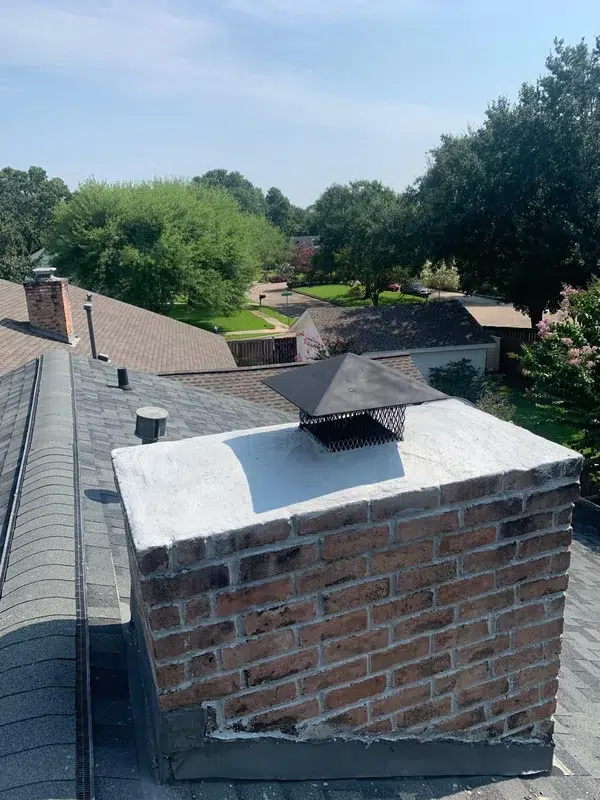
Proper smoke correction work must follow both safety and building regulations. The most reliable chimney performance comes from aligning repairs with national and state codes, which specify flue design, clearance, and appliance connection requirements. Experienced technicians always verify that ventilation standards and liner installations meet current editions of the International Residential Code (IRC) and National Fire Protection Association (NFPA) guidelines.
Step 1: Inspect all connected mechanical systems – Evaluate how HVAC returns, dryer vents, and attic fans affect fireplace drafting. Balancing airflow per code minimizes backdraft.
Step 2: Rebuild or reline if necessary – According to NFPA 211, damaged flue liners must be repaired or replaced with approved materials. Stainless steel liners are the preferred upgrade for long-term draft consistency.
Step 3: Ensure code-compliant damper operation – Modern top-sealing dampers improve draft efficiency and meet current IRC energy requirements.
Step 4: Document all corrective work – Keep inspection photos, permits, and compliance reports. Insurance providers often request this documentation after smoke incidents.
Step 5: Schedule certified sweeps annually – Routine cleanings by CSIA-certified technicians prevent creosote buildup that can obstruct flue flow. Read more about seasonal upkeep via our chimney maintenance tips resource.
- International Residential Code (IRC) 2025, Section R1003 – Addresses chimney construction, flue sizing, and clearance from combustibles. Failing to meet R1003 can result in failed inspections or fire hazards if clearances are too tight.
- NFPA 211: Standard for Chimneys, Fireplaces, Vents, and Solid-Fuel-Burning Appliances (2024) – Defines requirements for lining, cap installation, and draft management. Non-compliance can lead to smoke spillage, chimney fires, and insurer claim denials.
Step 1: Inspect all connected mechanical systems – Evaluate how HVAC returns, dryer vents, and attic fans affect fireplace drafting. Balancing airflow per code minimizes backdraft.
Step 2: Rebuild or reline if necessary – According to NFPA 211, damaged flue liners must be repaired or replaced with approved materials. Stainless steel liners are the preferred upgrade for long-term draft consistency.
Step 3: Ensure code-compliant damper operation – Modern top-sealing dampers improve draft efficiency and meet current IRC energy requirements.
Step 4: Document all corrective work – Keep inspection photos, permits, and compliance reports. Insurance providers often request this documentation after smoke incidents.
Step 5: Schedule certified sweeps annually – Routine cleanings by CSIA-certified technicians prevent creosote buildup that can obstruct flue flow. Read more about seasonal upkeep via our chimney maintenance tips resource.

Maintenance, cost expectations, and real-life prevention results
Step 1: Schedule annual chimney cleanings – Our technicians recommend yearly sweeps before cold seasons begin to remove soot and blockages. Cleaning costs may range from $150 – $400 depending on flue length, buildup, and accessibility. These figures are preliminary benchmarks and not binding quotes.
Step 2: Install a chimney cap – A stainless-steel cap prevents rain, debris, and wildlife entry. One homeowner we helped faced smoke overflow after birds blocked their flue. Installing a screened cap resolved issues immediately. Material and labor might fall between $200 – $600, influenced by roof pitch and cap size.
Step 3: Monitor for moisture intrusion – Water-damaged chimneys often develop steam drafts that disrupt airflow. Applying waterproof sealant or performing chimney leak repair can prevent expensive future fixes.
Step 4: Maintain adequate combustion air – Poor room ventilation suffocates the flame, sending smoke inside. Consider installing outside air inlets or keeping nearby windows slightly open during burns. Good airflow ensures complete combustion and limits soot.
Step 5: Verify safety gear – Equip your home with carbon monoxide detectors near sleeping areas. The device’s yearly sensor test adds critical protection from undetected leaks.
Step 6: Plan long-term inspections – Chimney evaluations typically last 45 – 90 minutes. Comprehensive service cycles every 12 months sustain code compliance, maintain warranty eligibility, and extend equipment lifespan. For structural upkeep assistance, see our chimney repair contractor guide.
Step 2: Install a chimney cap – A stainless-steel cap prevents rain, debris, and wildlife entry. One homeowner we helped faced smoke overflow after birds blocked their flue. Installing a screened cap resolved issues immediately. Material and labor might fall between $200 – $600, influenced by roof pitch and cap size.
Step 3: Monitor for moisture intrusion – Water-damaged chimneys often develop steam drafts that disrupt airflow. Applying waterproof sealant or performing chimney leak repair can prevent expensive future fixes.
Step 4: Maintain adequate combustion air – Poor room ventilation suffocates the flame, sending smoke inside. Consider installing outside air inlets or keeping nearby windows slightly open during burns. Good airflow ensures complete combustion and limits soot.
Step 5: Verify safety gear – Equip your home with carbon monoxide detectors near sleeping areas. The device’s yearly sensor test adds critical protection from undetected leaks.
Step 6: Plan long-term inspections – Chimney evaluations typically last 45 – 90 minutes. Comprehensive service cycles every 12 months sustain code compliance, maintain warranty eligibility, and extend equipment lifespan. For structural upkeep assistance, see our chimney repair contractor guide.
Get Your Chimney Smoke Issue Assessed Today
If smoke or odor is entering your home when you light the fireplace, it is time to act fast. Every moment spent waiting can allow soot buildup, poor draft performance, or even carbon monoxide risk to worsen. At 832 Chimney Services, our certified experts provide full diagnostic evaluations, detailed inspections, and reliable repair solutions that meet current safety and efficiency standards. We identify airflow issues, fix leaking joints, and restore proper draft for a cleaner and safer burn. Protect your home and your family’s comfort today. Don’t postpone essential maintenance or let a small problem grow into a costly repair. Call 832 Chimney Services now to schedule your inspection and experience true peace of mind.

FAQs
Why is smoke suddenly coming out of my fireplace?
Smoke flowing back into a room is often a signal that airflow within the chimney system is restricted by an obstruction or environmental imbalance. If you notice sudden smoke return, begin by confirming that the damper is completely open and that other household appliances, such as exhaust fans or dryers, are not drawing air away from the fireplace. Negative pressure inside the living area can reverse the normal direction of chimney draft, causing smoke to spill inward. A cold chimney can also trap dense air inside the flue, forming a temporary cold plug that prevents warm air from rising. To counter this, light and hold a small rolled newspaper or kindling stick near the opening to warm the air column. If smoke problems continue, contact a qualified chimney professional who can inspect for soot buildup, bird nests, broken flue tiles, or water infiltration. Regular professional cleaning and maintenance help sustain proper airflow, minimize smoke return, and significantly reduce the risk of creosote ignition and costly structural damage. Careful attention to these details ensures safer, more reliable fireplace performance throughout the heating season.
What should I do first when my fireplace smokes?
If smoke begins to drift into the room rather than rising smoothly through the chimney, start by closing the fireplace doors to limit the spread of smoke and open nearby windows to improve ventilation. Verify that the damper is fully open and functioning correctly, since a partially closed damper often restricts airflow and forces smoke back inside. After ensuring safe conditions, carefully extinguish the fire and inspect the chimney and flue for blockages such as leaves, nesting material, or an obstructed cap. Never attempt to relight the fire until the draft has been tested and any issues have been cleared. Sometimes a simple look up through the hearth can reveal twigs, fallen masonry, or other telltale signs of trouble. If everything appears clear, contact a certified chimney sweep who can perform a professional inspection using cameras and specialized cleaning tools. These experts rely on rotary brushes and high-efficiency vacuums designed to remove creosote deposits that contribute to fireplace smoking. Scheduling professional maintenance at least once a year significantly reduces safety risks, helps your fireplace burn more efficiently, and prevents smoke from disrupting your home environment.
How much does it cost to fix fireplace smoke issues?
Costs for addressing chimney smoke issues can vary widely depending on the underlying cause, the difficulty of access, and the type of materials involved. Minor problems such as blockages, simple drafting issues, or a basic chimney sweeping service often range from around $150 – $400. More extensive repairs, like replacing a damaged flue liner or rebuilding a portion of a chimney that was improperly sized or deteriorated, may cost between $1,000 – $2,500 or more. Prices are influenced by three core factors: site complexity, material selection, and overall project scope. Site complexity includes factors like roof pitch, height, and accessibility. Material costs depend on the use of stainless steel liners, masonry, or specialty sealants. Project scope refers to whether the service involves partial repair, a full rebuild, or targeted component replacement. Diagnostic inspections generally require one to three hours, allowing technicians to identify the exact source of smoke infiltration. Labor rates and regional pricing differences may also affect final totals. All listed figures serve as general benchmarks provided for informational purposes only, not as firm quotes. A certified technician must perform an on-site evaluation to develop an accurate estimate and establish a reliable proposal tailored to the specific chimney structure and condition.
Can I fix a smoking fireplace myself?
Minor fireplace or chimney issues, such as opening a closed damper or preheating a cold flue before lighting a fire, can often be managed by homeowners with basic tools and caution. However, if smoke continues to back up after these checks, or if you detect heavy soot buildup, bird nests, strong odors, or unusual drafts, professional attention is required. Chimney systems deal directly with combustion gases and structural components that demand skilled intervention. Certified chimney sweeps are trained to use rotary cleaning machines, high-powered vacuums, scaffold systems, and digital inspection cameras to locate and correct hidden obstructions or structural deterioration. They also review venting efficiency and identify early signs of moisture damage or flue liner failure. Hiring a CSIA-certified technician ensures your chimney operates safely, meets building standards, and maintains long-term efficiency and protection for your home.
What are signs that my chimney needs maintenance?
Watch closely for early signs that your chimney may need attention. Any smoke returning into the living area or a lingering odor of soot, moisture, or damp creosote could indicate ventilation or sealing problems. White powdery streaks called efflorescence on exterior brick often signal moisture intrusion through the masonry. Likewise, visible cracks in mortar joints, damaged flashing, missing bricks, or corroded or rusted metal caps all point to possible structural or weather-related concerns. Birds, nests, or other debris blocking the flue can also compromise airflow and increase the risk of carbon monoxide entering your home. Certified professionals trained by the Chimney Safety Institute of America (CSIA) recommend a comprehensive inspection and sweep at least once a year. Consistent cleaning and proper sealing help maintain efficient draft performance, prevent internal decay, and significantly extend the life of your entire fireplace and chimney system.
What are the most common causes of fireplace smoke problems?
The most frequent causes of poor chimney draft include closed or damaged dampers, internal blockages, improper chimney height, cold air plugs, and negative home air pressure. In many homes, flue sizing is also incorrect, which leads to smoke backup or sluggish draft movement. Over the years, our technicians have documented cases where home renovations or modern weather sealing created extremely tight envelopes, leaving appliances short of combustion air. When this occurs, smoke may be drawn indoors instead of venting safely outside. Additional issues such as missing chimney caps, deteriorated liners, or cracks in the masonry further complicate airflow. Every one of these factors interacts differently, making detailed diagnostic testing – including smoke tests, manometer readings, and airflow gauge assessments – essential. With consistent sweeping, inspection, and maintenance, you can restore reliable draft and long-term chimney efficiency.
How do I choose a reliable chimney repair company?
When hiring a chimney professional, look for technicians who hold certifications from the Chimney Safety Institute of America (CSIA) or the National Fireplace Institute (NFI). These credentials demonstrate that the technician has been trained in proper inspection procedures, chimney repair techniques, and current building codes. Always verify that the company carries both liability and workers’ compensation insurance to protect your home and household in case of accidents. Confirm that the contractor maintains any required local or state licenses. Ask for references from previous customers and review photographs or video documentation of their completed work. Reliable proposals should include detailed descriptions of liner materials, measurements, and a written summary of planned repairs. Be cautious of unusually low quotes without an in-depth inspection – reputable professionals always perform a full evaluation first. Certification, experience, and clear communication define trustworthy chimney service.
What should I do if smoke suddenly fills my house?
First, immediately open all windows and doors to ventilate the area and guide everyone out of the affected room. Fresh air circulation is critical to reduce smoke concentration. Turn off the fireplace or stove, or if possible, tightly close any glass doors to stop air from being drawn through the flue. Never attempt to relight the fire until the cause of the smoke has been identified and corrected. Prolonged exposure to smoke can result in respiratory irritation, headaches, or even carbon monoxide poisoning. In addition to health concerns, lingering smoke particles create a layer of acidic soot that can stain walls, ceilings, and furniture, eventually leading to corrosion or discoloration. Delaying cleanup may cause costly structural damage. If anyone experiences dizziness, shortness of breath, or nausea, call emergency services immediately. Once it is safe, contact a certified chimney specialist for inspection, cleaning, and ventilation system evaluation. Professional technicians can identify blockages, damaged flue liners, or airflow issues that may have contributed to the incident, ensuring the fireplace is safe for future use. Keep in mind that immediate-response or after-hours assistance may involve additional service fees, but prompt attention helps prevent more serious damage or safety hazards later.
Information
Our Services
Contact Us
Address: 2 MockingBird Cir,
Houston, TX 77074