
Services
Chimney Inspection
Chimney Waterproofing Cost in Houston (2026 Guide): Myths, Codes, and Real Pricing
May 5, 2026
- By
- 832 Chimney Services
- Chimney and Masonry Specialists
Many homeowners assume chimney waterproofing is just spraying on a sealant and calling it done. At 832 Chimney Services, we’ve been helping Houston homeowners understand chimney waterproofing cost and long-term protection for years of experience, and we’ve seen how that misconception leads to expensive repairs. In our experience, most chimney leaks start small – hairline mortar cracks, minor crown separation, or porous brick soaking up Gulf Coast humidity. One Houston homeowner contacted us after noticing peeling paint near their fireplace. The issue wasn’t the paint – it was water intrusion from an unsealed masonry chimney. By the time we opened it up, the flue liner and firebox showed moisture damage. What could have been a straightforward chimney repair turned into structural masonry work. Understanding real waterproofing costs now can prevent major reconstruction later.
What local regulations require and why they affect cost
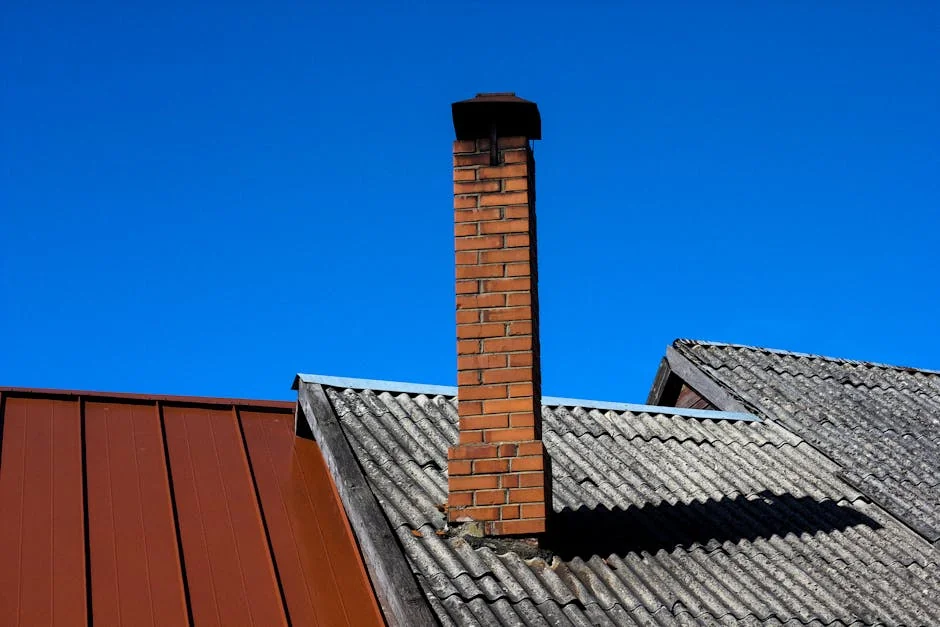
Houston’s heavy rainfall, hurricane exposure, and high humidity make water management a code priority. Chimneys must resist wind-driven rain while maintaining structural integrity. Inspectors evaluate masonry condition, flashing, and termination details under locally adopted codes, and non-compliant work can delay home sales or trigger correction notices.
- City of Houston Construction Code (Current Adopted Editions) – Houston adopts the International Residential Code (IRC) with local amendments. Masonry chimneys must comply with structural and weather-resistance provisions. Improper flashing or deteriorated masonry can fail inspection, resulting in required repairs before occupancy or resale.
- 2021 International Residential Code (IRC) Section R1003 – Governs masonry chimney construction, including crown, flue lining, and clearances. Waterproofing must not block required ventilation or alter fire safety components. Non-compliance risks fire hazards and failed inspections.
- Texas Department of Insurance Windstorm Requirements (Current) – In designated windstorm areas, roof-to-chimney flashing and structural stability must withstand high winds. Improperly sealed penetrations can lead to insurance claim denials after storms.

Practical pricing factors, timelines, and when to act
Chimney waterproofing cost in Houston (2026 Guide) depends on condition and access – not just square footage. In our experience, most residential waterproofing projects may range from $600 to $2,500. Larger or multi-story chimneys requiring scaffolding can exceed that range. Key variables include:
- Site complexity: Roof pitch, chimney height, and safe ladder access.
- Material costs: Professional-grade siloxane repellents, crown sealants, and masonry repair materials.
- Total scope: Whether tuckpointing, crown resurfacing, or flashing replacement is needed before sealing.
Schedule a Professional Chimney Evaluation
If you’re unsure whether your chimney needs waterproofing or structural repair, a professional evaluation provides clarity. We assess masonry absorption, crown integrity, flashing condition, and early-stage mortar failure before recommending solutions. Our team explains what’s preventive maintenance and what requires corrective repair, so you avoid unnecessary work while protecting your home from moisture damage. Houston’s climate accelerates masonry deterioration, especially after heavy storms or extended humidity. A targeted inspection now may prevent thousands in structural rebuilding later. We provide clear documentation, practical recommendations, and realistic cost expectations based on your specific chimney. Schedule a thorough chimney assessment and get straightforward answers about condition, compliance, and long-term protection.

FAQs
What is included in chimney waterproofing in Houston?
Professional chimney waterproofing in Houston typically includes a full exterior inspection, minor masonry prep, and application of a vapor-permeable water repellent. We start by checking mortar joints, crown slope, flashing seams, and brick condition. Any active cracks or deteriorated mortar must be repaired before applying sealant. The waterproofing product itself is usually a silane/siloxane-based penetrating repellent designed specifically for masonry. It soaks into the brick and mortar rather than forming a surface film. This allows trapped moisture vapor to escape while blocking rain penetration. In Houston’s humid climate, surface preparation is critical. We often perform light pressure washing (under controlled PSI to avoid mortar damage) and allow sufficient drying time before application. Proper coverage rates – typically measured in square feet per gallon – ensure full saturation without overspray or runoff.
How long does chimney waterproofing last?
Most professional-grade chimney waterproofing treatments may last between 5 and 10 years, depending on product quality and environmental exposure. In Houston, heavy rainfall, humidity, and UV exposure can shorten that lifespan if the chimney faces prevailing storm winds. We’ve seen properly applied siloxane treatments remain effective beyond seven years when the underlying masonry was in good condition. However, chimneys with ongoing mortar erosion or cracked crowns may show signs of moisture intrusion sooner. Periodic inspections every one to two years help monitor performance. A simple water absorption test – spraying a small area and observing absorption rate – can indicate whether retreatment is needed. Keeping the crown sealed and flashing intact also extends the protective lifespan of the waterproofing application.
How much does chimney waterproofing cost in Houston in 2026?
Chimney waterproofing cost in Houston (2026 Guide) typically starts around $600 for smaller, single-story chimneys in good condition. Larger or multi-story structures may range from $1,200 to $2,500 or more, particularly if access requires scaffolding or lift equipment. Pricing fluctuates based on:
- Site complexity: Roof pitch, height, and safety setup requirements.
- Material costs: Professional-grade repellents and repair materials.
- Total scope: Necessary tuckpointing, crown repair, or flashing work before sealing.
Can I waterproof my chimney myself?
DIY waterproofing is possible for single-story chimneys with safe access, but risks increase significantly with height and roof slope. Store-bought sealants often lack vapor permeability, which can trap moisture inside masonry and accelerate spalling. Proper application requires surface prep, crack repair, moisture testing, and controlled coverage rates. Applying repellent to damp masonry reduces penetration depth and performance. We’ve seen homeowners apply product immediately after washing, only for it to fail within a year. If the chimney has cracked mortar joints, crown fractures, or flashing separation, professional repair should come first. Waterproofing over structural defects simply hides the problem. For multi-story homes or steep roofs, professional safety equipment and experience are strongly recommended.
What are signs my chimney needs waterproofing?
Common warning signs include white staining (efflorescence), spalling bricks, cracked mortar joints, and rusted damper components. Inside the home, peeling paint near the fireplace or musty odors after rain may indicate moisture intrusion. In Houston, prolonged humidity can keep masonry damp for extended periods. If bricks darken significantly after rainfall and remain wet for more than 48 hours, absorption levels may be too high. Annual visual checks from the ground help, but a professional inspection can identify hairline cracks in crowns and mortar deterioration not visible from below. Early intervention with waterproofing often prevents more extensive structural repairs later.
Why is chimney waterproofing especially important in Houston?
Houston’s climate combines heavy rain, hurricane-force winds, and high humidity. Wind-driven rain can force water into small masonry pores and flashing gaps. Over time, that moisture degrades mortar and weakens structural integrity. We frequently see chimneys on the windward side of homes show accelerated erosion. Salt air carried inland during storms can also contribute to masonry deterioration. Because freeze-thaw cycles are less frequent but still possible during rare cold snaps, saturated bricks can crack when temperatures drop suddenly. Waterproofing reduces absorption, helping protect against both long-term humidity exposure and occasional freeze damage.
What should I look for when hiring a chimney waterproofing professional?
Look for companies familiar with Houston building codes and windstorm considerations. Proper licensing (where required), insurance coverage, and documented inspection procedures are essential. Ask what type of water repellent they use. It should be a vapor-permeable silane/siloxane product specifically formulated for masonry – not generic paint or acrylic coating. Request details about surface prep, crack repair, and coverage rates. Professionals should also evaluate crown slope, flashing integration, and mortar condition before recommending waterproofing. A thorough assessment indicates they understand that sealing is only effective when structural components are sound.
Is chimney waterproofing an urgent service?
Chimney waterproofing is preventive rather than emergency work. However, active leaks, visible brick spalling, or loose masonry should be addressed promptly to prevent structural escalation. If you notice interior staining or water dripping into the firebox, avoid using the fireplace until a professional inspection confirms safety. Moisture can compromise flue liners and metal components. After major storms, visually inspect the chimney for shifted flashing or cracked crowns. If damage is visible, schedule service soon to prevent worsening deterioration. Early evaluation typically results in lower repair costs compared to waiting until structural rebuilding becomes necessary.
Information
Our Services
Contact Us
Address: 2 MockingBird Cir,
Houston, TX 77074