
Services
Chimney Inspection
How to Fix a Smelly Chimney in Houston: A Homeowner’s Decision Guide
May 14, 2026
- By
- 832 Chimney Services
- Chimney Service Experts
Trying to decide how to fix a smelly chimney in Houston without wasting money on the wrong solution? At 832 Chimney Services, we’ve helped homeowners solve persistent chimney odors for years of experience, and we’ve seen how confusing the options can be. Some smells come from simple moisture issues. Others signal deeper flue damage or creosote buildup that requires professional repair. We recently inspected a Houston home where the owner assumed the odor was “just humidity,” but the real cause was a cracked crown allowing rain intrusion. Ignoring chimney odors often leads to bigger problems. Moisture trapped in masonry can accelerate liner corrosion and create mold growth inside the flue. In several Houston homes, we’ve found that delaying service turned a minor chimney inspection into a full liner replacement costing thousands more.
Comparing Fixes, Understanding Pros and Cons
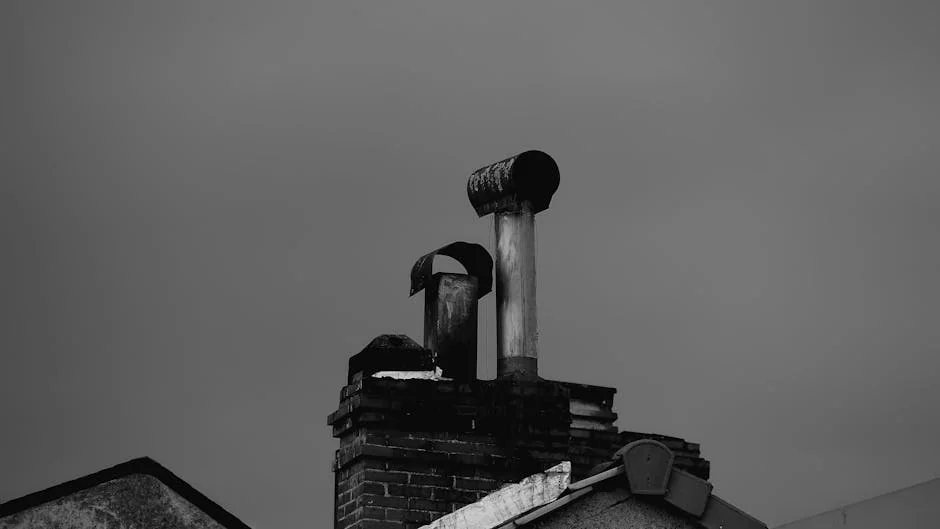
The most effective chimney odor solutions address the source – not the symptom. Masking the smell never resolves structural or airflow problems. Proper diagnosis always comes first. Here’s how common solutions compare:
- Professional Chimney Sweeping: Removes creosote and soot buildup. Effective when odor is smoky or tar-like. Should follow NFPA 211 inspection standards. If a company skips a camera inspection, underlying liner damage may go unnoticed.
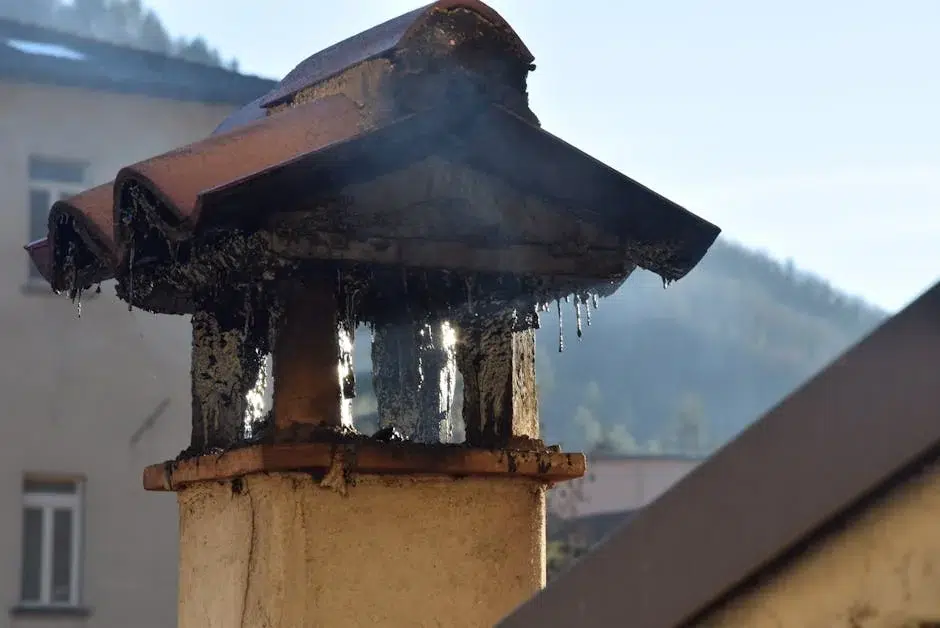
- Chimney Cap Installation: Prevents rain and animal entry. Stainless steel caps resist Houston’s humidity better than galvanized steel, which may corrode faster.
- Crown Sealing or Rebuilding: Elastomeric crown coatings seal hairline cracks; severely deteriorated crowns require full rebuild with proper slope for drainage.
- Stainless Steel Liner Installation: Required when clay liners are cracked or missing mortar joints. Improves draft and reduces odor absorption in masonry.
- Draft Correction Solutions: Top-sealing dampers or correcting negative air pressure issues can stop humid air from pushing odors into living spaces.
Process, Timeline, and Cost Expectations
Choosing the right professional determines whether the smell returns in six months or stays gone for years. Before committing, ask clear technical questions:
- Will you perform a camera inspection of the flue?
- Are repairs compliant with NFPA 211 standards?
- What materials will be used for caps, liners, or sealants?
- Do you test draft performance after repairs?
- Site complexity and roof accessibility
- Material costs (stainless grade, liner diameter)
- Total scope of masonry or structural repair required
Get Clear Answers Before You Commit
Chimney odors rarely resolve on their own, and guessing at the cause often leads to repeat expenses. The right fix starts with accurate diagnosis, proper materials, and repairs that meet national safety standards. We evaluate draft performance, moisture intrusion, liner integrity, and structural components so the solution addresses the source – not just the smell. If you’re unsure whether your chimney needs cleaning, sealing, or structural repair, getting expert guidance can prevent unnecessary upgrades or overlooked hazards. We provide clear findings, documented inspection results, and practical recommendations tailored to Houston homes. Schedule an evaluation before investing in temporary fixes that may not last.

FAQs
What causes a smelly chimney in Houston homes?
In Houston, chimney odors are most commonly caused by moisture interacting with creosote deposits. High humidity levels saturate masonry, and when warm outdoor air moves down the flue, it carries smoky or musty odors into the living space. Creosote has a strong tar-like smell that intensifies in summer. Other frequent causes include animal nesting, decaying debris, and cracked chimney crowns allowing rainwater intrusion. In tightly sealed Houston homes, HVAC systems can create negative air pressure that pulls chimney odors indoors instead of allowing them to vent upward. A camera inspection often reveals the difference between simple buildup and structural liner damage. Identifying the exact source is essential because cleaning alone will not solve moisture intrusion or draft imbalance problems.
Will chimney cleaning alone fix the smell?
Chimney cleaning can resolve odors when creosote buildup is the primary cause. If deposits exceed 1/8 inch, professional sweeping with appropriately sized rotary brushes often eliminates the smoky smell. However, if moisture intrusion, cracked liners, or crown damage are present, cleaning may only provide temporary relief. Water-saturated masonry absorbs odor compounds and releases them during humid weather. In those cases, sealing the crown, installing a cap, or relining the flue may be necessary. We’ve seen homeowners schedule multiple cleanings in one year because the root issue wasn’t addressed. A full inspection determines whether cleaning alone is sufficient or if structural repairs are required to permanently solve the problem.
How much does it cost to fix a smelly chimney in Houston?
The cost depends on the underlying cause. Basic chimney sweeping may range from $150 to $400. Installing a stainless steel cap may range from $300 to $900. Crown repairs might range from $600 to $2,000 depending on severity. Full liner replacement could range from $2,500 to $5,500. Costs may fluctuate based on:
- Site complexity and roof accessibility
- Material costs and liner grade
- Total scope of repairs required
Can I fix a smelly chimney myself?
Homeowners can handle minor maintenance tasks such as checking that the damper closes properly or ensuring the fireplace is clean of visible debris. Installing temporary odor absorbers may reduce mild smells. However, creosote removal requires professional-grade brushes sized to the flue interior and proper safety equipment. Climbing onto a roof to install a chimney cap or apply crown sealant carries fall risk and may void manufacturer warranties if not installed correctly. Structural liner repairs, draft corrections, and moisture mitigation typically require specialized tools such as chimney cameras and draft gauges. For persistent or strong odors, professional inspection is usually the safer and more cost-effective route.
What are warning signs that my chimney odor is serious?
Strong tar-like smells, visible water stains on the firebox walls, rusted damper components, and pieces of tile or mortar in the fireplace are warning signs that extend beyond minor odor issues. If you notice white staining (efflorescence) on exterior brick, that indicates water migration through masonry. Persistent musty odors during dry weather may suggest animal intrusion or trapped debris. Regular annual inspections aligned with NFPA 211 standards help catch these problems early. Addressing small crown cracks or installing a cap before water damage spreads can prevent expensive structural repairs later.
Why are chimney odors worse during Houston summers?
Houston’s humidity plays a major role. When outdoor air is warmer than indoor air, the chimney can reverse draft, pulling air downward. That air carries creosote and moisture odors into the home. Masonry absorbs moisture during rainy periods and releases odor compounds when temperatures rise. Homes with strong air conditioning systems may create negative pressure that intensifies the effect. Installing a chimney cap, sealing the crown, and ensuring proper liner integrity significantly reduce summer odor issues. Draft correction solutions can also improve airflow direction and reduce reverse drafting.
What should I look for when hiring a chimney professional?
Look for professionals who follow NFPA 211 inspection standards and provide documented camera footage of the flue interior. Ask whether they carry proper insurance and whether repairs meet local building requirements. A qualified professional should explain findings clearly, provide a written scope of work, and outline material specifications such as stainless steel liner grade or crown coating type. Be cautious if recommendations are made without visual evidence or if only surface cleaning is suggested despite visible structural damage. Transparency and technical documentation are signs of reliable service.
When should I schedule chimney service for odor problems?
Chimney odor issues are rarely emergencies, but they shouldn’t be ignored. Schedule service if the smell is persistent, worsening, or accompanied by visible moisture damage or debris in the firebox. If animals are suspected, avoid lighting a fire until the flue is inspected. If you notice rust flakes, masonry fragments, or strong creosote odor, arrange an inspection before the next fireplace use. Addressing odor issues during dry weather often allows for faster repairs and proper curing of sealants. Early evaluation prevents minor moisture problems from turning into structural deterioration.
Information
Our Services
Contact Us
Address: 2 MockingBird Cir,
Houston, TX 77074