
Services
Chimney Inspection
Chimney Flashing Repair Cost in Houston (2026): What Homeowners Should Expect
June 1, 2026
- By
- 832 Chimney Services
- Chimney and Venting Specialists
Many homeowners assume chimney flashing repair is just a quick patch with roofing tar. At 832 Chimney Services, we’ve been helping Houston homeowners understand chimney flashing repair cost in Houston (2026) for years of experience, and we’ve seen how that misconception leads to expensive structural damage. In our experience, flashing failures rarely start big – they begin with small gaps where metal meets brick, especially after heavy Gulf Coast storms. We recently inspected a Houston home where minor flashing separation went unnoticed for two seasons. Water traveled behind the brick veneer, rotted roof decking, and triggered interior ceiling stains. The repair ended up including partial decking replacement and new step flashing. Homeowners researching chimney flashing repair in Houston often don’t realize the true cost comes from water intrusion, not just the metal itself.
Standards, Tools, and Installation Steps That Protect Your Roof
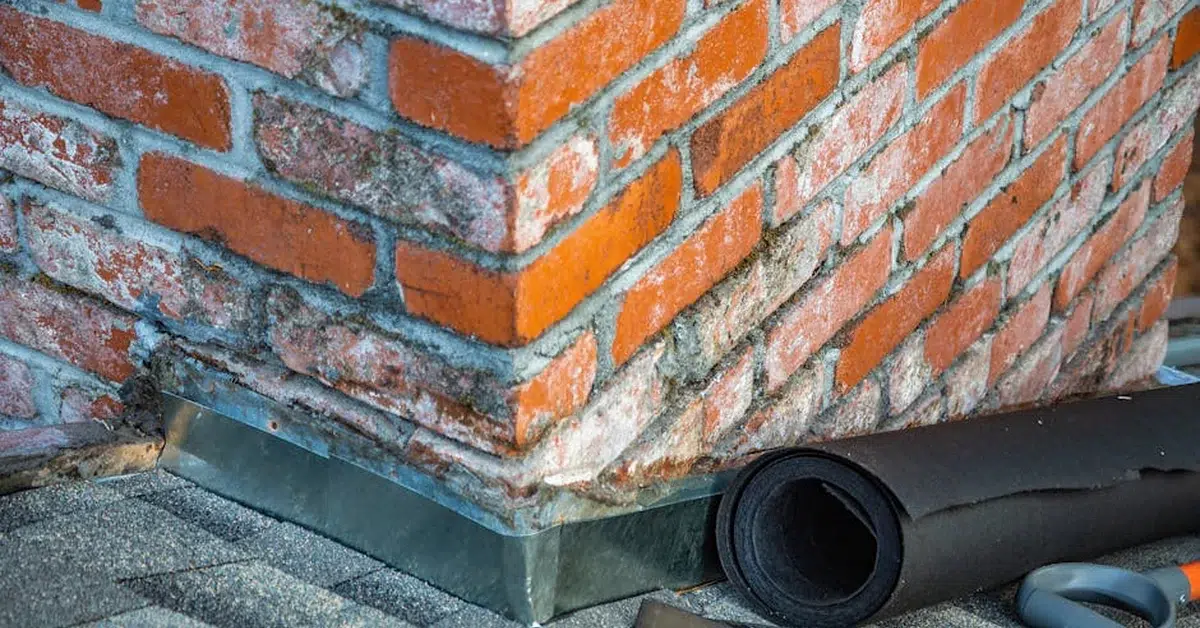
Proper chimney flashing repair starts with integration – not surface patching. We focus on restoring the waterproof system between the chimney structure and the roofing assembly. That means removing shingles around the chimney base, inspecting decking, and reinstalling flashing in the correct sequence. Professional best practices typically include:
- Installing individual step flashing pieces woven with each shingle course.
- Embedding counterflashing into reglet cuts ground 1 inch into mortar joints.
- Using corrosion-resistant fasteners and 26-gauge or heavier metal.
- Sealing reglet joints with polyurethane or high-grade silicone designed for exterior masonry.
- Ensuring proper shingle overlap per manufacturer specifications (often 5 – 6 inches exposure depending on shingle type).

Cost Ranges, Timeframes, and What Influences Your Final Price
Chimney flashing repair costs in Houston in 2026 may range from $450 to $1,500 for standard step and counterflashing replacement on an asphalt shingle roof. More complex projects – such as copper flashing installation or structural decking repair – can range from $1,500 to $3,500 or more. Three primary factors influence cost:
- Site complexity: roof pitch, height, and access requirements.
- Material costs: copper vs. galvanized steel vs. stainless steel.
- Total scope: decking repair, chimney masonry work, or shingle replacement.
Schedule a Professional Flashing Assessment
If you’re unsure whether your chimney flashing is intact, we can perform a focused inspection and provide clear documentation of what we find. Our team evaluates metal condition, shingle integration, mortar joints, and roof decking around the chimney base. You’ll receive a straightforward explanation of the issue and practical options based on your roof type and budget. Addressing flashing problems early protects your decking, insulation, and interior finishes from costly water intrusion. Whether you need minor reglet sealing or full step and counterflashing replacement, we’ll outline the scope so you understand exactly what drives the cost. Schedule a quick expert check and make an informed decision before minor gaps become structural damage.
FAQs
How much does chimney flashing repair typically cost in Houston in 2026?
In Houston, chimney flashing repair in 2026 commonly falls between $450 and $1,500 for standard asphalt shingle roofs. This usually covers removing shingles around the chimney, replacing step flashing, cutting reglets into mortar joints, and installing counterflashing. If copper flashing is selected or roof decking has water damage, costs can rise above $2,000. Houston’s climate plays a role. Frequent heavy rain and high humidity accelerate corrosion on lower-grade galvanized metal, which can shorten service life. Homes near coastal air exposure may see faster deterioration. The final price depends on roof pitch, number of chimney sides requiring flashing, and whether surrounding shingles must be replaced. A two-story home with steep slope requires more labor and safety setup than a single-story ranch. A site visit is the only way to determine the exact scope and confirm material condition beneath the shingles.
What makes chimney flashing fail in Houston homes?
Houston’s weather is the biggest factor. Wind-driven rain can force water sideways under shingles and into small gaps between step flashing and masonry. High humidity accelerates rust on thin galvanized steel, especially when sealant cracks under UV exposure. Improper installation is another frequent cause. We often see counterflashing surface-mounted with caulk instead of embedded into a reglet cut. As sealant shrinks, gaps form and allow water behind the brick. Step flashing pieces sometimes lack proper overlap, which should typically be at least 2 inches. Thermal expansion also contributes. Metal flashing expands and contracts daily in Houston’s heat. Without proper fastening and allowances, seams separate. Routine roof inspections every few years help catch early separation before structural damage occurs.
How long does chimney flashing repair take and what affects the timeline?
Most chimney flashing repairs take between 4 and 8 hours for standard asphalt shingle roofs. More complex jobs – such as copper fabrication, masonry grinding, or decking replacement – may extend into a full day or longer. The timeline can vary based on:
- Site complexity: steep slopes, multi-story access, or tile roofing.
- Material costs and availability: custom-bent copper may require fabrication time.
- Total scope: hidden decking damage or chimney mortar repairs.
Can I repair chimney flashing myself?
Minor maintenance, such as resealing small gaps with exterior-grade polyurethane sealant, may be manageable for experienced homeowners who understand roof safety. However, full flashing replacement involves removing shingles, installing step flashing in sequence, grinding mortar joints for counterflashing, and ensuring proper overlap with roofing materials. Mistakes often occur at the reglet cut stage. If the mortar joint is cut too shallow – less than about 1 inch – counterflashing can loosen over time. Improper integration with shingles can also void certain roofing manufacturer warranties. Roof pitch and height add safety risks. Falls are a leading cause of construction injuries, and steep Houston roofs require harness systems and stabilizers. For complete flashing replacement or when structural damage is suspected, professional installation reduces the risk of water intrusion and costly callbacks.
What are warning signs that chimney flashing needs repair?
Common warning signs include rust stains along the chimney base, loose or lifted shingles near the chimney, cracked or missing sealant at mortar joints, and water stains on ceilings adjacent to the chimney. Inside the attic, look for darkened roof decking or damp insulation near the chimney penetration. Even minor staining indicates moisture entry. Over time, trapped water can cause wood rot and mold growth. From the exterior, examine whether counterflashing is embedded into mortar joints rather than surface-mounted. Gaps or visible separation suggest potential failure. Scheduling an inspection after severe storms is wise, especially in Houston where heavy rainfall can exploit small weaknesses. Routine visual checks twice a year – spring and fall – help detect issues before major repairs are necessary.
Are there specific chimney flashing issues common in Houston?
Yes. Houston’s combination of intense sun, high humidity, and frequent storms creates unique stress on flashing systems. Galvanized steel can corrode faster here than in drier climates. Sealants exposed to prolonged UV radiation often crack within a few years if lower-grade products are used. We also see problems related to expansive clay soils. Slight structural movement can cause small separations between chimney masonry and roofing materials, stressing flashing joints. Homes with complex rooflines or low-slope sections near chimneys are particularly vulnerable during heavy downpours. Wind-driven rain can enter under improperly lapped step flashing. Regular inspections and corrosion-resistant materials such as stainless steel or copper perform better long term in this environment.
What should I look for when hiring a chimney flashing professional?
Look for contractors who understand both roofing integration and masonry detailing. Flashing sits at the intersection of two systems, so experience in both areas matters. Ask whether the contractor follows International Residential Code requirements for roof flashing and embeds counterflashing into reglet cuts rather than surface sealing. Confirm they carry liability insurance and workers’ compensation coverage. Request a written scope describing material type (such as 26-gauge galvanized or copper), fastening method, and whether shingles will be replaced. A vague proposal that only mentions “resealing” without describing metal replacement often signals a temporary fix. Review photos of previous work to ensure clean reglet cuts and properly woven step flashing. Clear communication about scope and material choice leads to more predictable results.
When should chimney flashing repair be scheduled urgently?
Chimney flashing repair is not typically an emergency, but active water intrusion requires prompt attention. If you notice dripping inside the fireplace, ceiling staining after rain, or visible gaps where flashing has lifted, schedule service soon. In the meantime, avoid applying roofing tar as a temporary fix unless absolutely necessary. Tar can trap moisture and complicate later repairs. Instead, document the issue with photos and check the attic for signs of spreading dampness. If severe storms are forecast and flashing is visibly detached, temporary waterproof sheeting secured safely from the ground may help reduce exposure until repair is completed. Persistent moisture can lead to decking rot and insulation damage, increasing overall repair cost. Early professional evaluation prevents escalation.

Information
Our Services
Contact Us
Address: 2 MockingBird Cir,
Houston, TX 77074