
Services
Chimney Inspection
Bird Nest Removal from Chimney in Houston: Cost Guide and What to Expect
May 28, 2026
- By
- 832 Chimney Services
- Chimney and Fireplace Specialists
Need a clear checklist before paying for bird nest removal from your chimney? At 832 Chimney Services, we’ve been helping Houston homeowners handle this issue for years of experience, and we know most people call only after they hear scratching, smell smoke, or notice poor fireplace draft. This Bird Nest Removal from Chimney in Houston: Cost Guide is for homeowners who want real numbers, safety facts, and a step-by-step plan. Ignoring a nest can get expensive fast. We recently inspected a Houston home where a compacted nest blocked nearly 70% of the flue, triggering smoke backup and early signs of creosote glazing. The repair costs were far higher than a simple chimney inspection in Houston would have been weeks earlier. Birds, debris, and restricted airflow create both fire and carbon monoxide risks.
What Proper Bird Nest Removal Should Always Include
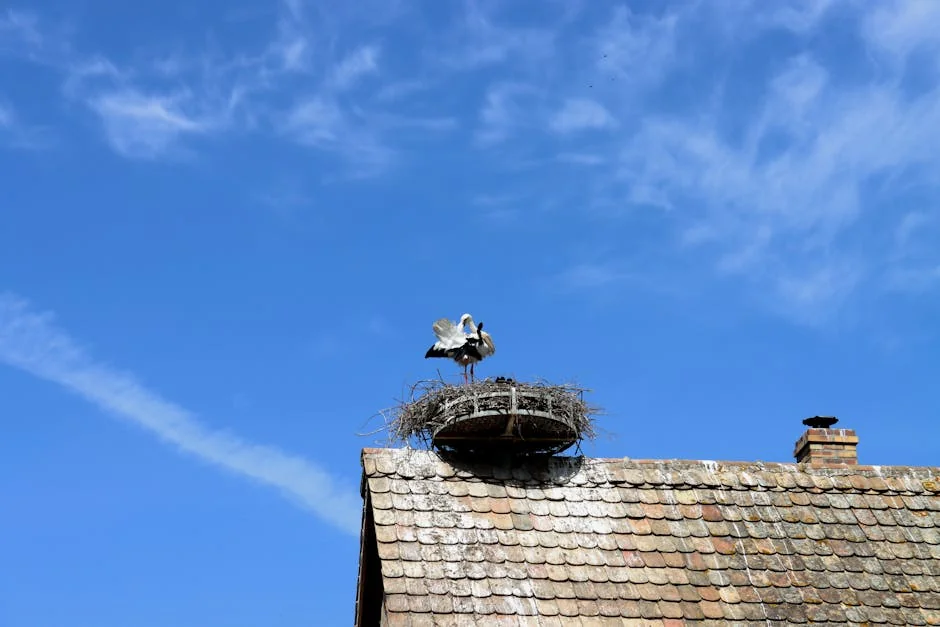
Safe bird nest removal depends on following industry standards and protecting both the home and local wildlife. The most important best practices involve confirming the nest is inactive, removing all combustible debris, and restoring proper draft with a code-compliant chimney cap. Professional service should include:
- Verification of inactivity: Many bird species are protected under the Migratory Bird Treaty Act. We confirm no active eggs or hatchlings are present before removal.
- NFPA 211-compliant inspection: A Level 1 or Level 2 inspection ensures the flue liner, smoke chamber, and crown are intact.
- Full debris extraction: Twigs, feathers, and nesting material must be fully removed – not just pushed downward.
- Moisture check: In Houston, trapped humidity can soak nesting material and migrate into masonry joints.
- Proper cap installation: Stainless steel caps with correct mesh sizing prevent birds while maintaining draft.

What Influences Price and How to Prepare
Most homeowners want to know what bird nest removal will actually cost. In Houston, removal may range from $150 to $400 for a simple extraction when the nest is near the top and no damage is present. If the blockage is deep, compacted, or combined with creosote buildup, total service might fall between $400 and $900, especially if sweeping or minor repairs are required. Pricing typically depends on:
- Site complexity: Steep roof pitch, multi-story access, or limited ladder placement increases labor time.
- Material condition: Damaged flue tiles or rusted caps require replacement components.
- Total scope: Inspection level, cleaning, moisture repair, or cap installation add to the project.
Schedule a Professional Chimney Evaluation
If you suspect a bird nest in your chimney, the safest next step is a professional inspection with camera verification and draft testing. We provide detailed findings, explain any code concerns, and outline practical solutions that protect your home and fireplace system. Addressing the issue early prevents smoke intrusion, liner damage, and fire risk. Our team evaluates the entire venting system, not just the visible blockage, so you know exactly what condition your chimney is in before the next burn season. Book an evaluation and get clear answers about cost, timing, and prevention options tailored to your Houston home.

FAQs
How do I know if there’s a bird nest in my chimney in Houston?
Common signs include chirping sounds, scratching noises, falling twigs into the firebox, and reduced fireplace draft. You may also notice smoke entering the room instead of rising up the flue. In Houston, spring is peak nesting season, so these issues often appear between March and June. We recommend starting with a visual check inside the firebox using a flashlight, but avoid reaching into the flue. Birds often build several feet above the damper. A professional chimney camera inspection provides the clearest confirmation and shows whether the blockage is partial or complete. If you smell a strong, musty odor after rain, that can indicate wet nesting material trapped in the flue. Because Houston’s humidity is high, nests tend to retain moisture and break down slowly, increasing odor and airflow restriction over time.
Is bird nest removal covered by homeowners insurance?
Coverage depends on your specific policy. Some homeowners insurance plans may cover resulting damage – such as smoke damage or chimney fire repairs – but not the routine removal of a nest itself. Insurance companies often classify nests as maintenance-related issues. We advise reviewing your policy language under “sudden and accidental damage” provisions. If a blocked chimney caused interior smoke staining or masonry cracking, documentation from a professional inspection can help support a claim. In our experience, prevention costs far less than filing a claim. Installing a properly fitted stainless steel chimney cap significantly reduces the chance of recurrence and is usually not expensive compared to repair work. Keeping inspection records also demonstrates responsible maintenance if you ever need to justify a claim.
How much does bird nest removal from a chimney cost in Houston?
In Houston, basic bird nest removal may start around $150 to $300 when the nest is easily accessible and no additional cleaning is required. If the nest is compacted deep in the flue or combined with creosote buildup, the total cost could range from $400 to $900 or more. Three main variables influence pricing:
- Site complexity: Roof height, pitch, and access difficulty.
- Material condition: Whether flue tiles, caps, or dampers are damaged.
- Total scope: Inspection level, sweeping, liner repair, or cap installation.
Can I remove a bird nest from my chimney myself?
Homeowners sometimes attempt removal using rods or a shop vacuum, but this approach carries risks. First, many birds are protected under federal law during active nesting periods. Removing an active nest could violate wildlife regulations. Second, pushing debris downward can compact the blockage and damage the damper. Without a chimney camera, you cannot confirm full removal. We’ve seen DIY attempts where hidden twigs remained lodged above the smoke shelf, continuing to restrict airflow. If the nest is shallow and clearly inactive, careful removal from the top with proper fall protection may be possible for experienced individuals. However, multi-story roofs and steep pitches common in Houston neighborhoods make professional equipment and safety training important. When creosote is present, professional rotary cleaning tools and containment systems are necessary to avoid indoor contamination.
What are the warning signs that a chimney cap is missing or damaged?
A missing or damaged chimney cap often leads directly to nesting problems. Warning signs include visible daylight when looking up the flue, water dripping into the firebox after rain, rust flakes near the damper, or repeated bird activity around the chimney top. From the ground, you may notice a tilted or partially detached metal cover. In Houston, strong storms and wind gusts can loosen improperly secured caps. If mesh screening is bent or corroded, birds can squeeze through surprisingly small openings. We recommend annual visual inspections, especially before peak nesting season. Stainless steel caps with 5/8-inch mesh provide effective bird exclusion while maintaining draft performance. Proper mechanical fastening – using stainless steel screws anchored to the flue tile – helps prevent wind displacement.
Are bird nests more common in Houston than other areas?
Houston’s mild winters and long warm seasons create ideal nesting conditions. Birds such as chimney swifts are commonly drawn to open flues that resemble hollow trees. Because fireplaces are used less frequently in warmer climates, chimneys may sit unused for months, giving birds uninterrupted access. High humidity also plays a role. Moisture can soften mortar joints and make it easier for debris to accumulate inside the flue. Once a nest forms, it can trap additional leaves and organic matter blown in during storms. We typically see increased service calls in spring and early summer. Homes without chimney caps or with damaged mesh experience repeat nesting more frequently. Preventive cap installation is especially important in Houston due to the extended nesting window.
What should I look for when hiring a chimney professional?
Look for companies that follow NFPA 211 inspection standards and provide documented findings. Technicians should use chimney cameras, HEPA vacuums, and proper fall protection equipment. Proof of insurance is essential because roof work carries liability risks. Ask whether the technician verifies nest inactivity before removal. Professionals should also discuss liner condition and cap installation options, not just extract debris and leave. Transparent pricing, written estimates, and photo documentation indicate thorough service. If a contractor quotes a flat price without inspecting roof access or flue condition, that suggests incomplete evaluation. In Houston’s climate, experience with moisture-related chimney deterioration is also valuable.
When is bird nest removal urgent?
While bird nest removal is not usually a 24-hour emergency, certain symptoms require prompt scheduling. Smoke entering the living space, strong odors, or visible debris falling into the firebox indicate significant blockage. If you plan to use your fireplace soon, do not light a fire until the flue is cleared. Carbon monoxide risk increases when venting is restricted, especially with gas fireplaces. If you suspect poor draft, avoid operating the appliance until inspection confirms safe airflow. In non-emergency cases – such as hearing occasional chirping – schedule service during normal business hours. Acting early prevents compacted nests, moisture damage, and higher cleaning costs later in the season.
Information
Our Services
Contact Us
Address: 2 MockingBird Cir,
Houston, TX 77074