

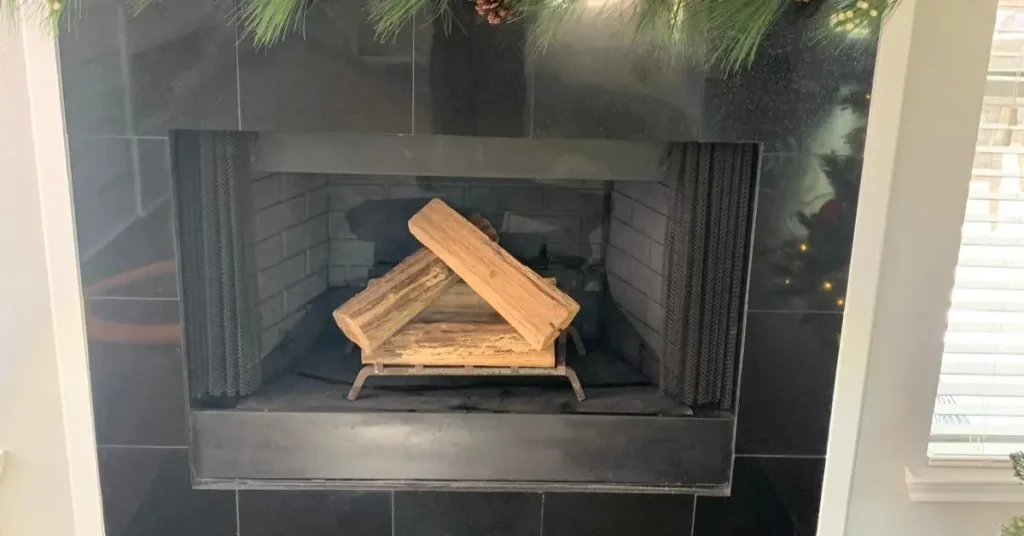
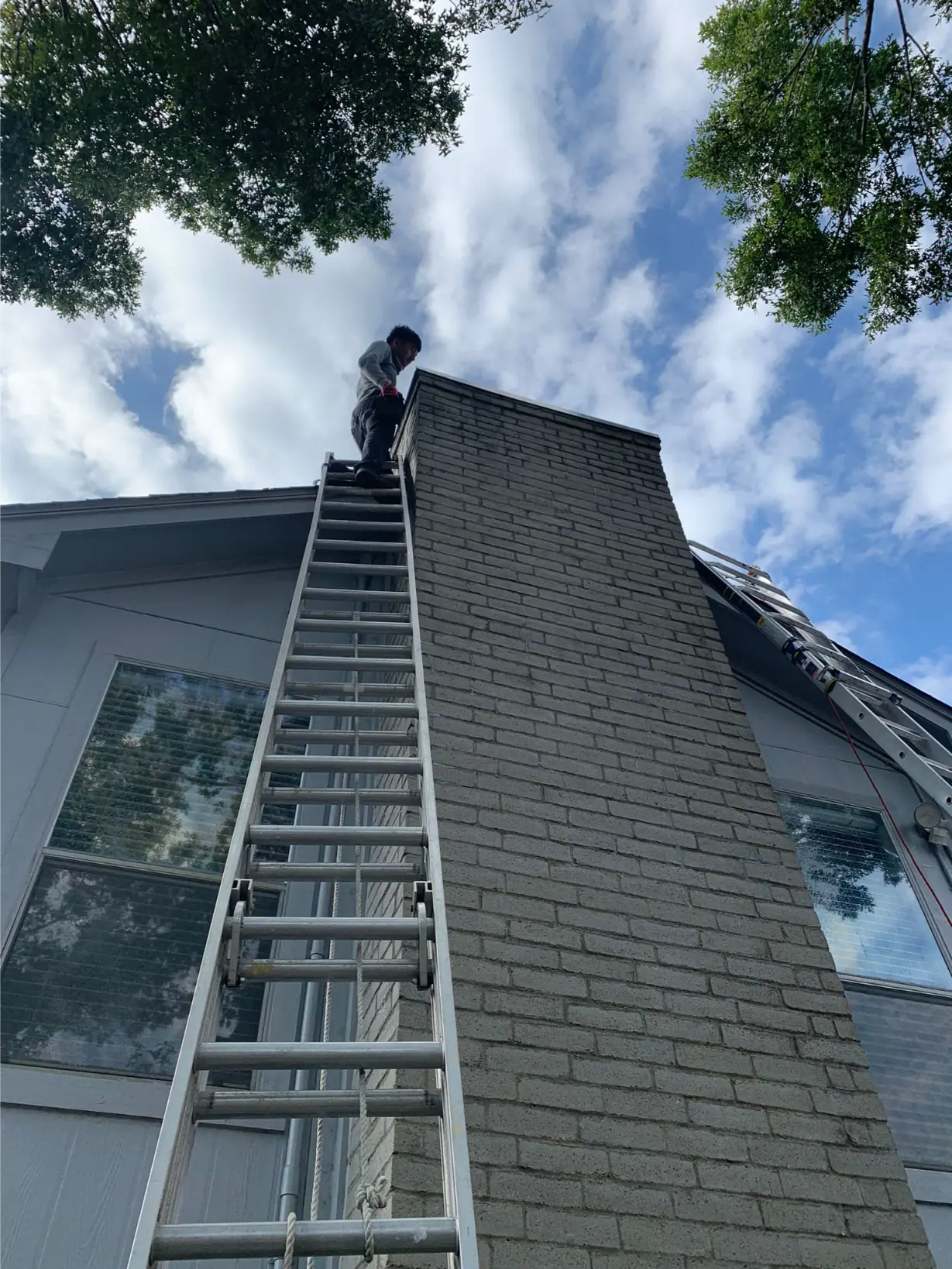
If you own a fireplace, you may wonder how often you need to clean it. Here’s the simple answer. You should use a chimney brush at least once per year. But that’s just the baseline. How often you actually need to clean depends on how much you burn. I’ve been in the chimney cleaning business for years now. Trust me, regular brushing prevents bigger problems down the road. Creosote buildup is no joke, and it’s the leading cause of chimney fires.
Why Using a Chimney Brush Matters for Your Home
Let’s talk about why this matters so much. Every time you burn wood, smoke carries particles up through your flue. These particles stick to the walls, forming creosote. Over time, this stuff builds up and becomes a serious fire hazard. A quality chimney brush removes this dangerous residue before it causes trouble.
I’ve seen firsthand what happens when people skip regular cleaning. The creosote gets thick and glossy. At that point, it’s much harder to remove. Using a brush regularly keeps things manageable. It also helps your fireplace work more efficiently. Better airflow means better fires and less smoke in your living room.
How Often Should You Clean Your Chimney with a Chimney Brush?
The general rule is once a year for most homeowners. I recommend doing it before the heating season starts. That way, your system is ready when cold weather hits. But here’s the thing. If you use your fireplace or stove daily, you’ll need more frequent attention.
Heavy users should grab their chimney brush every 2 to 3 months during the burning season. Softer woods like pine build up faster. Hardwoods burn cleaner but still produce residue. I always tell my clients to inspect their flue monthly. A quick look with a flashlight tells you a lot about what’s happening inside.
Signs Your Flue Needs Attention Now

Sometimes your fireplace tells you something’s wrong. Pay attention to these warning signs:
- Smoke backs up into your room during fires
- A strong, unpleasant odor is coming from the fireplace
- Visible soot or debris falling into the firebox
- Fires that struggle to stay lit or burn poorly
- Dark, shiny buildup is visible inside the flue
If you notice any of these, it’s time to act. Don’t wait for your annual cleaning. Grab your brush and rod kit and get to work. Or call a professional chimney sweep if you’re not comfortable doing it yourself.
Choosing the Right Chimney Brush for Your Fireplace
Not all brushes work for every situation. You need to match the brush to your chimney type and size. Measure your flue opening carefully. A 6-inch round brush won’t clean an 8-inch opening properly. Getting the right size is key to effective cleaning.
The material of your flue also determines which brush to use. Masonry chimneys can handle stiffer bristle options. Metal flues need gentler treatment. I’ve damaged a few stainless steel liners early in my career by using the wrong tools. Learn from my mistakes and choose wisely.
Wire vs Nylon Bristle Options
Wire brushes work great on masonry and clay tile flues. The stiff steel or stainless steel bristles scrub away stubborn buildup effectively. They’re durable and last through many cleaning sessions. However, wire can scratch metal liners pretty badly.
For metal flues and stove pipe vents, go with poly or flexible nylon bristles. These are gentler but still effective at removing debris. Many homeowners prefer nylon for regular maintenance between deep cleans. I keep both types in my kit because different jobs need different tools.
DIY Chimney Cleaning Tips from a Chimney Sweep Pro
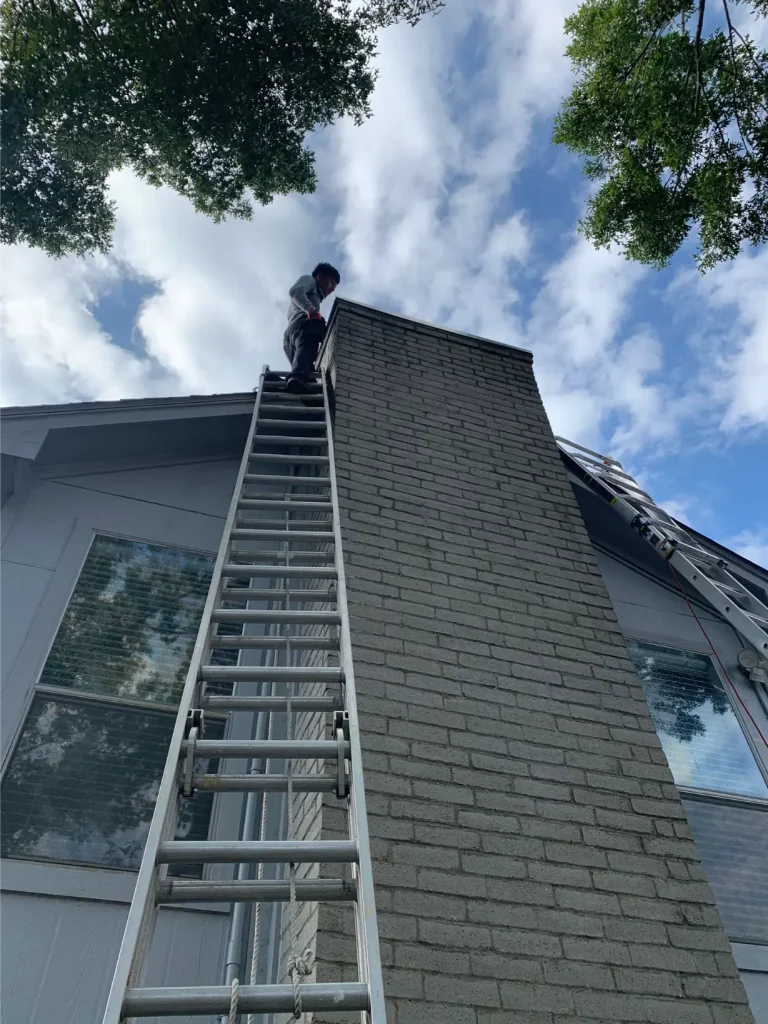
You don’t always need to hire someone. With the right chimney brush kit, you can handle basic maintenance yourself. Start by covering the opening of your fireplace with plastic sheeting. Trust me, the mess is real otherwise. Wear a dust mask and safety goggles, too.
Connect your brush to fiberglass rods or flexible extension rods. Work from the top down. Push the brush through the entire length of the flue using steady, scrubbing motions. Some folks prefer a power drill attachment for rotary cleaning. This spins the brush and speeds it up. Either method gets the job done when done right.
Common Mistakes When Using a Chimney Brush
I see the same errors over and over again. The biggest one is using the wrong size brush. Too small and you miss the buildup on the walls. Too big and you risk damaging the flue liner. Measure twice before buying.
Another common mistake is not extending rods far enough. Your chimney brush needs to reach the entire length. Stopping halfway leaves dangerous deposits behind. Also, don’t forget to close your damper before cleaning from above. I learned that lesson the hard way during an early job. Soot everywhere in the client’s living room. Not my proudest moment.
Keep Your Fireplace Safe with Regular Sweeping
Here’s what it comes down to. Regular chimney sweeping protects your home and family. Using your brush at least once yearly is the minimum. More frequent cleaning keeps everything running smoothly. The investment in a good brush kit pays for itself many times over.
Don’t wait until you have a problem. Make chimney maintenance part of your seasonal routine. Check your flu regularly and clean when needed. Your fireplace will burn better, your home will smell fresher, and you’ll sleep easier knowing fire hazards are under control. That peace of mind is worth every minute you spend on maintenance.

Our Google Reviews
Trustindex verifies that the original source of the review is Google. Raphael did an excellent job with our cleaning. On time, clear communication and professional to deal with. Highly recommended.Posted onTrustindex verifies that the original source of the review is Google. Rafael was working with a neighbor when we met. He assessed the state of my chimney , took photos, explained where all the areas of concern were and the described what would be required to keep things safe and stable. Raphael was informative and straightforward, no pressure and he was very kind. he and his helper did the work exactly as he stated in a timely manner. I would highly recommend recommend for any repairs, Quality work. Thank you 832 Home Service and RaphaelPosted onTrustindex verifies that the original source of the review is Google. Great service. Provided good consultation and service. I would reach out to them for vent cleaning everytime.Posted onTrustindex verifies that the original source of the review is Google. Excellent cleaning service.Posted onTrustindex verifies that the original source of the review is Google. Highly recommended amazing service and they did a great jobPosted onTrustindex verifies that the original source of the review is Google. The team was very helpful and knowledgeable, they took their time I Had a great experience with them. They were on time, professional, and did a thorough job cleaning my chimney. The fireplace works so much better now, and I feel safer using it. If you need chimney cleaning in Houston, I highly recommend them!Posted onTrustindex verifies that the original source of the review is Google. HIGHLY recommend I had wasp in my house that apparently came from my chimney ! They found the hole and took care of it! Also, did a deep clean after a while I didn’t clean. I’m so so happy ! Also , did a crown repair . Guys, can’t recommend enough!Posted onTrustindex verifies that the original source of the review is Google. You guys are awesome!!! I had an amazing experience From start to finish, they were professional, efficient, and detail oriented. provided great suggestions, and delivered high quality work on time and within budget. The crew was friendly, hardworking, and left everything clean after the job was done. I highly recommend themPosted onTrustindex verifies that the original source of the review is Google. I looked into several companies in Houston, Texas,, that could do a thorough chimney cleaning and repair, and this company was the most professional and highly recommended! I will definitely use their services in the future and highly recommend them to anyone interested in a safe chimney. Many thanks to the team that assisted us! 🙏🏻Posted onTrustindex verifies that the original source of the review is Google. These guys were awesome!!!!! They cleaned my dryer for a very good price and were fast!Verified by TrustindexTrustindex verified badge is the Universal Symbol of Trust. Only the greatest companies can get the verified badge who has a review score above 4.5, based on customer reviews over the past 12 months. Read more
FAQ
Q: Can I use a chimney brush on a gas fireplace?
A: Gas fireplaces don’t produce creosote like wood-burning units do. However, they still need annual inspection and occasional cleaning. Debris, dust, and spider webs can accumulate in the vent system. Use a soft brush designed for gas appliance vents. Never use a stiff wire brush on gas fireplace components.
Q: What size chimney brush do I need for my fireplace?
A: Measure your flue opening from the inside. Most residential chimneys range from 6-inch round to 16-inch openings. Square and rectangular flues need matching brush shapes. Buy a brush that matches your exact dimensions. A brush that’s slightly too large works better than one that’s too small.
Q: How do I know if creosote buildup is dangerous?
A: There are three stages of creosote. Stage one is flaky and easy to remove. Stage two is thicker and more complex. Stage three is shiny, tar-like, and extremely dangerous. If you see glossy, hardened deposits, call a professional immediately. This type requires specialized tools and chemicals to be removed safely.
Q: Can I clean my chimney from inside my house?
A: Yes, you can clean from the bottom up. Connect your brush to flexible rods, then push it upward through the flue. This method is messier but works when roof access is difficult. Seal your fireplace opening well and lay down drop cloths. Many homeowners prefer this approach during the winter months.
Q: How long does a chimney brush typically last?
A: A quality brush lasts several years with proper care. Wire brushes may need to be replaced after 20-30 uses. Nylon bristles wear faster, especially with heavy buildup. Inspect your brush before each use. Replace it when bristles become bent, broken, or worn down significantly.
Q: Is it worth hiring a professional chimney sweep instead?
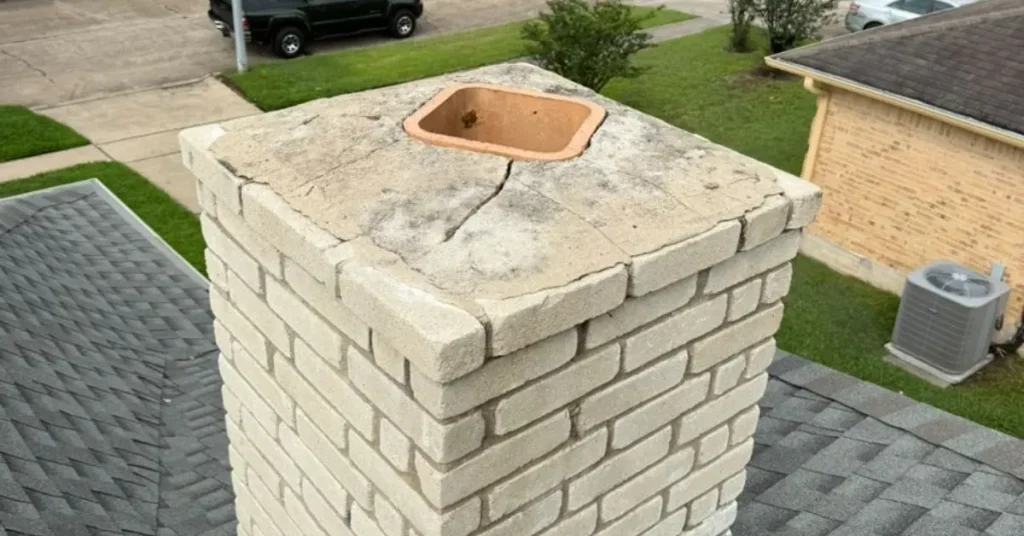
A: Professional sweeps bring experience and specialized equipment. They spot problems you might miss, like cracks or liner damage. Annual professional inspections are smart even if you do regular DIY maintenance. Think of it as a partnership. You handle routine cleaning, and they hold the deep inspection work.