
Is your fireplace looking a little tired lately? You may have noticed some crumbling bricks on the roof while doing yard work. Dealing with a damaged stack is never fun for a homeowner. However, ignoring these issues creates real safety risks for your family. A chimney rebuild might be precisely what you need to restore structural integrity. This process secures your home and instantly boosts your curb appeal. We know construction projects often feel stressful and confusing. But understanding the basics makes a massive difference in your confidence. In this guide, we will walk through the essential steps together. You will learn about materials, costs, and how to find the proper help. Let’s dive into everything you need to know to get started.
Signs You Need a Partial or Full Chimney Rebuild
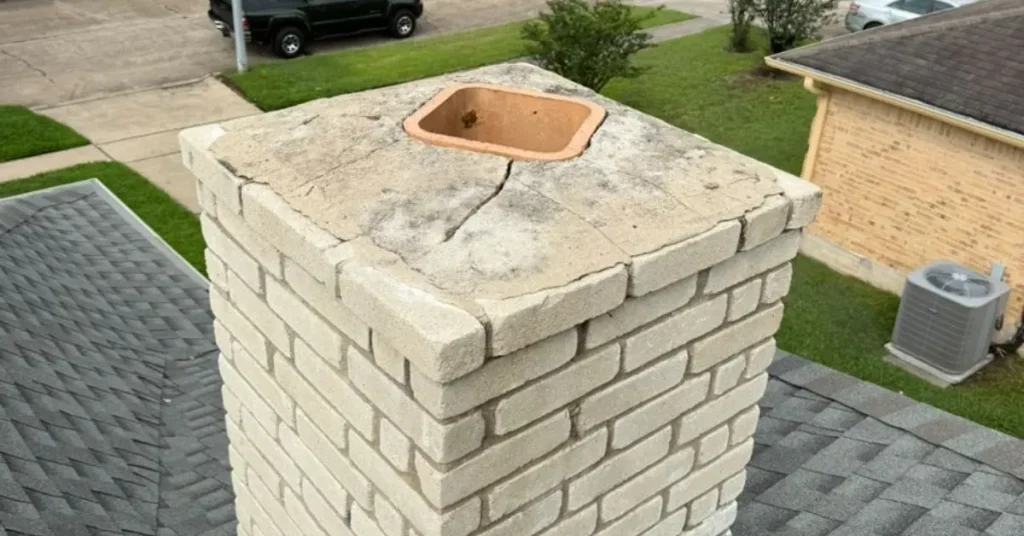
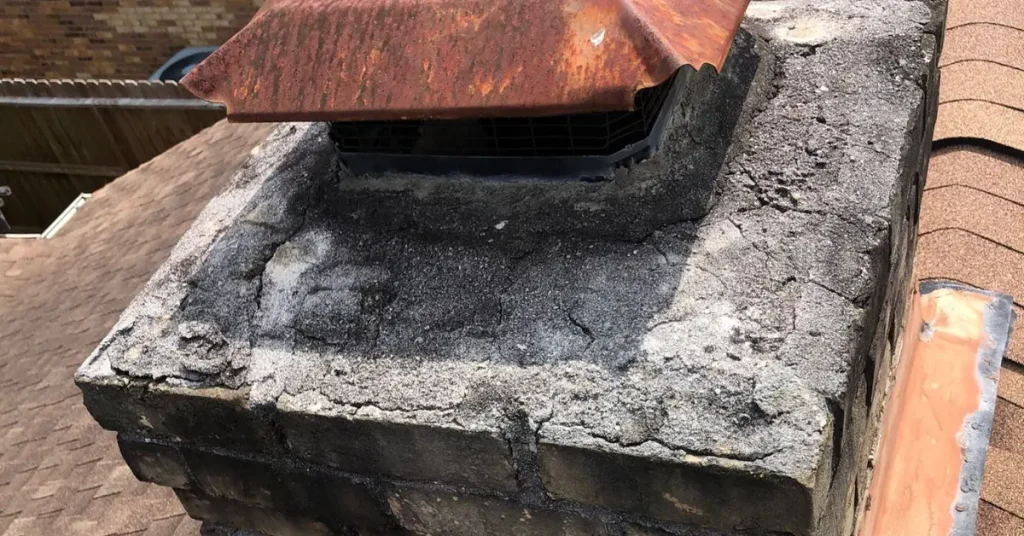
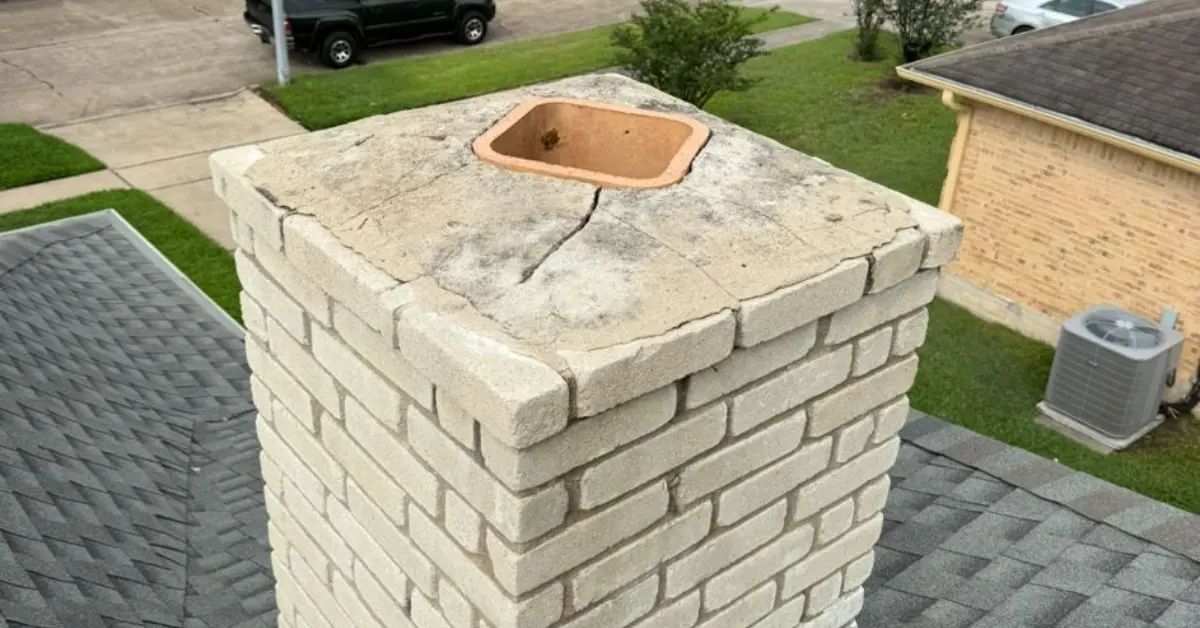
You might wonder if you actually need a complete chimney rebuild right now. Look closely at the bricks sitting above your roofline. If you see deep cracks or missing mortar, that is a bad sign. Sometimes the brick’s face pops off, which we call spalling. This means water is getting inside the masonry and freezing in winter. A partial chimney rebuild can fix just the top section if caught early. Planning a chimney rebuild takes time, so do not ignore these clues. Waiting too long usually leads to more expensive structural repairs down the line. Keep an eye out for these specific warning signs today:
- White staining (efflorescence) on the outer bricks
- Rusted damper or firebox components
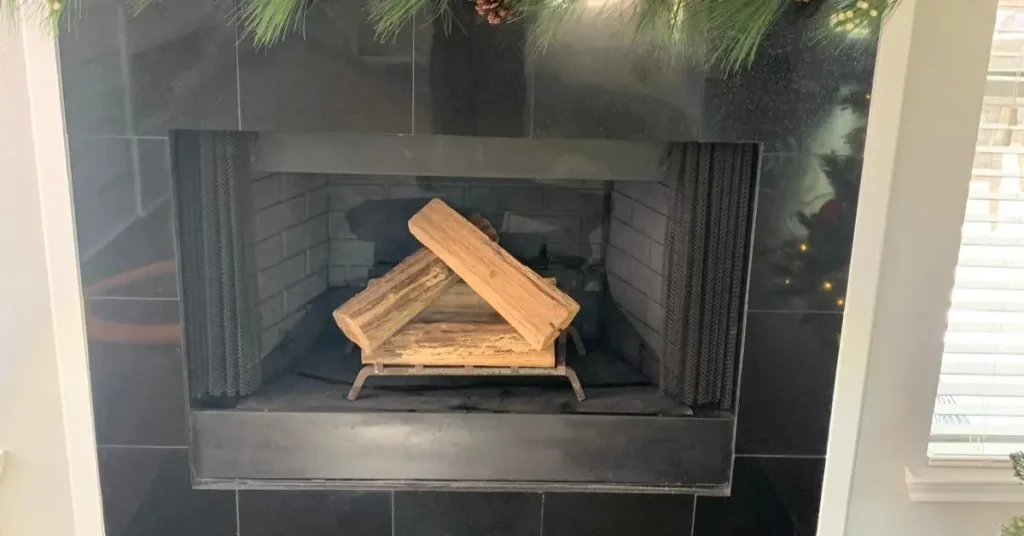
- Shaling or falling tiles inside the fireplace
- Dampness on the walls near the chimney
Identifying Chimney Damage and Roofline Issues
Most severe chimney damage happens right at the roofline or the crown. This area faces the harshest weather conditions year-round. Wind, rain, and snow attack the masonry from every single angle here. If the crown cracks, water drips straight down into the flue system. This moisture rots the structure from the inside out very quickly. You should rebuild a chimney from the roof up in these cases. This is often called a roofline rebuild. It is less invasive than tearing the whole thing down to the ground. Catching this damage early saves you a significant amount of money.
The Difference Between Repointing and a Chimney Rebuild
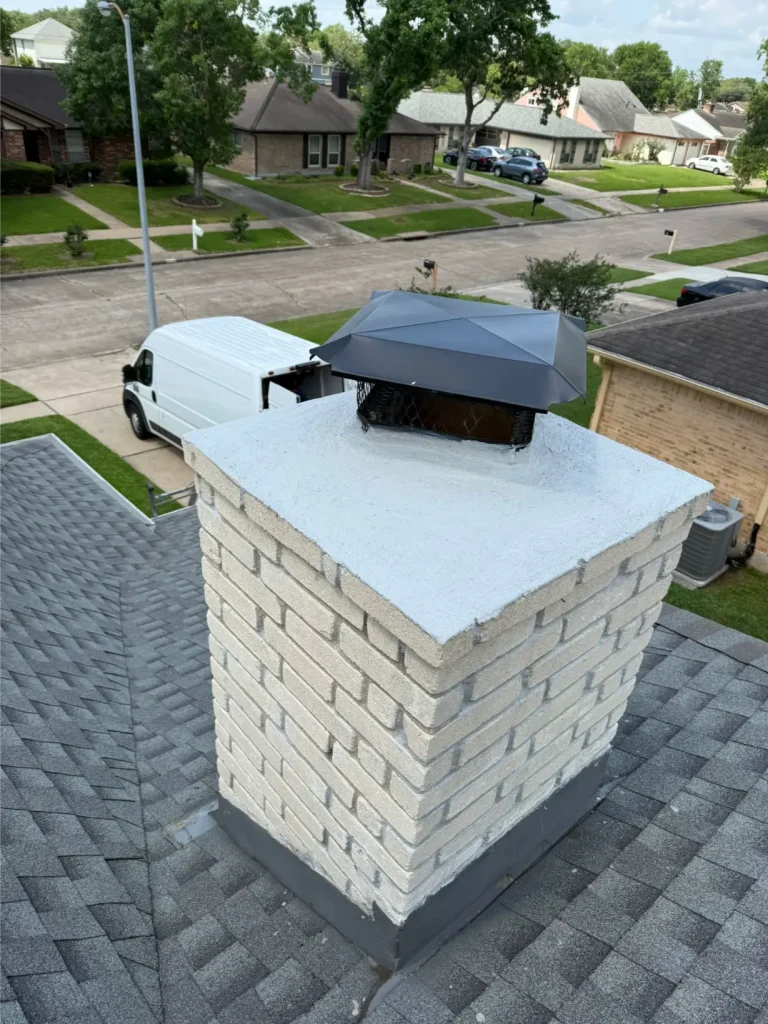
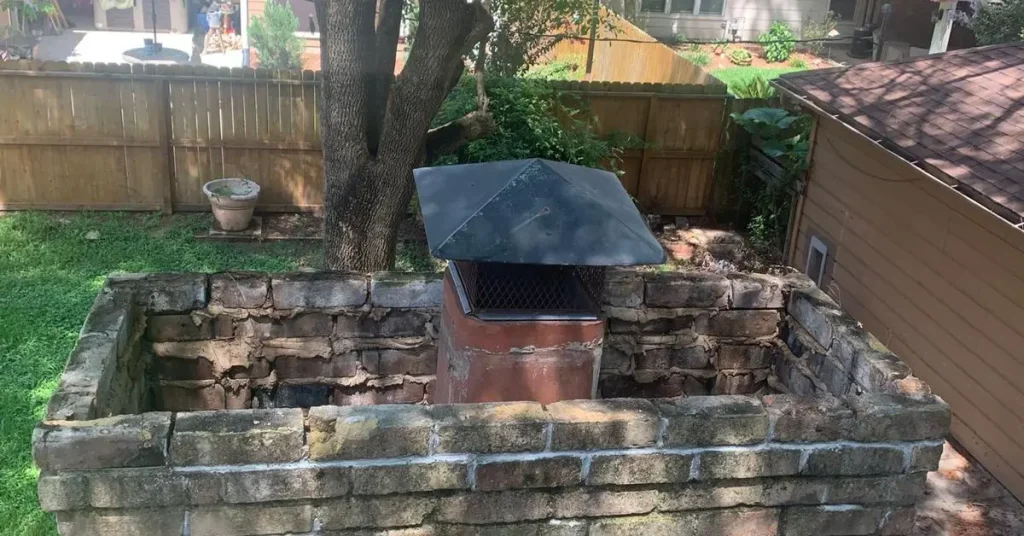
Many homeowners confuse simple repairs with a complete chimney rebuild project. Repointing involves scraping out old mortar and adding new stuff. This works well when the bricks are still solid and strong. However, if the structure is leaning or the bricks are loose, you need more work. A chimney rebuild involves tearing down the masonry and rebuilding it. This ensures the new structure is safe and meets current building codes. It is the only way to properly fix severe structural instability. Do not rely on patches for significant issues.
When to Choose Tuckpointing Instead
Tuckpointing is a specific repair method focused on aesthetics. It makes old mortar joints look crisp and new again. If your damage is only cosmetic, this is a great option. It stops water from entering through small hairline cracks in the joints. However, tuckpointing cannot save a structurally unsound chimney. You need to verify the bricks are stable before choosing this path. Ask a professional to inspect the condition of the masonry units first. If the bricks are crumbling, a repair won’t last long.
Essential Factors That Impact Chimney Rebuild Cost
Budget is always a huge factor for any home improvement project. The total price of a chimney rebuild depends heavily on the materials you choose. Standard red brick is usually cheaper than custom stone work. The height of your stack also significantly affects the final quote. Taller structures require more scaffolding and labor time to complete safely. A chimney rebuild is an investment in your property value. It protects your home from water damage and potential fire hazards. Always get a detailed estimate before any work begins.
Why You Must Hire a Chimney Sweep for Safety
You should never try to do this kind of heavy masonry work yourself. It is vital to hire a chimney sweep or mason with specific experience. They understand how to match your existing home style perfectly. A professional chimney expert knows how to safely remove old materials without damaging your roof. They also ensure the new chimney rebuilds the vents so that smoke is vented correctly. Ask to see photos of their past projects during the interview process. Checking references helps you feel confident in their skills. This brings peace of mind during the construction phase.
Maintaining Your Chimney After Construction Ends
Once your chimney rebuild is done, you want it to last. Regular maintenance is key to the longevity of any masonry work. We suggest applying a breathable waterproofing agent to the new bricks. This stops water from soaking in and causing freeze-thaw damage again. Protecting your investment in a chimney rebuild matters for the long haul. Also, make sure you have a proper chimney cap installed at the top. This keeps animals and rain out of the flue. Schedule an annual inspection to catch minor issues fast. A little care keeps your new stack looking great for decades.
Conclusion: Making the Right Choice for Your Home
Taking care of your home means addressing structural issues promptly. A chimney rebuild sounds daunting, but it solves major safety problems. You get a beautiful new feature that functions perfectly. Remember to choose durable materials that withstand the weather. Finding the right pro makes the whole process much smoother. We hope this guide to chimney care helps you move forward with confidence. Your fireplace will be ready for cozy nights very soon.
Our Google Reviews
Trustindex verifies that the original source of the review is Google. Raphael did an excellent job with our cleaning. On time, clear communication and professional to deal with. Highly recommended.Posted onTrustindex verifies that the original source of the review is Google. Rafael was working with a neighbor when we met. He assessed the state of my chimney , took photos, explained where all the areas of concern were and the described what would be required to keep things safe and stable. Raphael was informative and straightforward, no pressure and he was very kind. he and his helper did the work exactly as he stated in a timely manner. I would highly recommend recommend for any repairs, Quality work. Thank you 832 Home Service and RaphaelPosted onTrustindex verifies that the original source of the review is Google. Great service. Provided good consultation and service. I would reach out to them for vent cleaning everytime.Posted onTrustindex verifies that the original source of the review is Google. Excellent cleaning service.Posted onTrustindex verifies that the original source of the review is Google. Highly recommended amazing service and they did a great jobPosted onTrustindex verifies that the original source of the review is Google. The team was very helpful and knowledgeable, they took their time I Had a great experience with them. They were on time, professional, and did a thorough job cleaning my chimney. The fireplace works so much better now, and I feel safer using it. If you need chimney cleaning in Houston, I highly recommend them!Posted onTrustindex verifies that the original source of the review is Google. HIGHLY recommend I had wasp in my house that apparently came from my chimney ! They found the hole and took care of it! Also, did a deep clean after a while I didn’t clean. I’m so so happy ! Also , did a crown repair . Guys, can’t recommend enough!Posted onTrustindex verifies that the original source of the review is Google. You guys are awesome!!! I had an amazing experience From start to finish, they were professional, efficient, and detail oriented. provided great suggestions, and delivered high quality work on time and within budget. The crew was friendly, hardworking, and left everything clean after the job was done. I highly recommend themPosted onTrustindex verifies that the original source of the review is Google. I looked into several companies in Houston, Texas,, that could do a thorough chimney cleaning and repair, and this company was the most professional and highly recommended! I will definitely use their services in the future and highly recommend them to anyone interested in a safe chimney. Many thanks to the team that assisted us! 🙏🏻Posted onTrustindex verifies that the original source of the review is Google. These guys were awesome!!!!! They cleaned my dryer for a very good price and were fast!Verified by TrustindexTrustindex verified badge is the Universal Symbol of Trust. Only the greatest companies can get the verified badge who has a review score above 4.5, based on customer reviews over the past 12 months. Read more
FAQ
How long does a typical chimney rebuild take to complete?
The timeline varies depending on the project’s size and the weather. A partial chimney rebuild from the roofline up might take two to three days. A complete teardown and chimney rebuild can take over a week. Bad weather, such as rain or high winds, will pause work for safety. Your contractor should provide a schedule before they start. Always plan for a few extra days of buffer time just in case unexpected issues arise during demolition.
Will my home insurance cover the cost of the rebuild?
Insurance usually covers sudden damage, like a lightning strike or a chimney fire. However, they rarely cover damage caused by a lack of maintenance or old age. If your chimney is crumbling from years of wear and tear, you’ll likely have to pay for repairs. It is best to call your insurance provider to ask about your specific policy. Take photos of the damage to show the adjuster if you think you have a valid claim.
Can I change the look of my chimney during the rebuild?
Yes, a rebuild is the perfect time to change the aesthetic. You can switch from brick to stone or change the brick color. You can also add decorative details to the crown or corbelling. Just remember that changing materials might affect the cost. Discuss your design ideas with your mason early in the process. They can show you samples to help you match your home’s current style and curb appeal.
What time of year is best for rebuilding a chimney?
Spring and summer are the best seasons for masonry work. Mortar needs specific temperatures to cure and dry properly. If it is too cold, the mortar might freeze and crack before it sets. Most masons prefer to work when the temperature is consistently above 40 degrees Fahrenheit. If you have an emergency in winter, they can use heaters and tarps. However, this adds to the project’s difficulty and cost, so plan for warmer months.
How often should I have my new chimney inspected?
Even with a brand new chimney, you should schedule an annual inspection. The Chimney Safety Institute of America recommends yearly checks. This ensures the cap remains in place and that no animals have nested in it. It also catches any minor settling cracks before they become big problems. Regular sweeping is also needed if you use the fireplace often. This maintenance routine protects your warranty and keeps your home safe from carbon monoxide and fire risks.
Is a chimney rebuild a messy process?
Yes, tearing down masonry creates dust and debris. However, a good contractor minimizes the mess. They should cover your roof and nearby landscaping with tarps. If they are working near the firebox inside, they should seal off the room with plastic. This prevents dust from spreading through your house. Ask your contractor about their cleanup process before hiring them. They should haul away all old bricks and mortar at the end of every workday.