How to Identify and Fix a Chimney Leak Before It Causes Major Damage
Water coming through your chimney is never a good sign. Trust me, I’ve seen what happens when homeowners ignore a chimney leak for too long. The damage spreads fast and costs way more to repair later. The good news? Most chimney leaks are totally fixable once you know what’s causing them. In this guide, I’ll walk you through the typical culprits behind a leaky chimney. You’ll learn how to spot problems early and protect your home from severe water damage.
Common Causes of Chimney Leaks Every Homeowner Should Know
After years of working on chimneys, most leaks come from just a few sources. The tricky part is figuring out which one is affecting your home. A chimney leak rarely happens for just one reason. Usually, it’s a combination of wear and age working against you.
Weather plays a huge role in problems. Rain, snow, and ice all find ways into weak spots. I’ve crawled onto hundreds of roofs to diagnose leaks. Almost every time, the cause falls into one of these categories: flashing issues, crown damage, or brick deterioration. Knowing these common causes of chimney leaks helps you communicate better with your repair technician.
Damaged Chimney Flashing and Roof Connections
Flashing is the metal sheeting where your chimney meets the roof. It’s supposed to create a watertight seal. When it fails, water pours right into your home. About 40% of the chimney-leak calls I respond to involve poor flashing.
Flashing can pull away from the chimney over time. It also corrodes, especially if it’s made from lower-quality materials. Heavy winds and settling foundations can also cause separation. The roof connection is a vulnerable spot that needs regular inspection. If you see rust or gaps around your flashing, that’s where your leak is coming from.
How Improper Chimney Installation Causes Leaks

Here’s something that frustrates me as a professional. Many chimney leaks start because of improper installation from the very beginning. Corners get cut during construction all the time. Maybe the flashing wasn’t layered correctly. The chimney wasn’t appropriately sealed at the base.
I’ve repaired plenty of newer homes with leak issues. Bad installation doesn’t show up immediately. It takes a few seasons for problems to appear. Water finds its way through poorly sealed joints and inadequate waterproofing. When improper work is the cause, you often need more extensive repairs to fix it right.
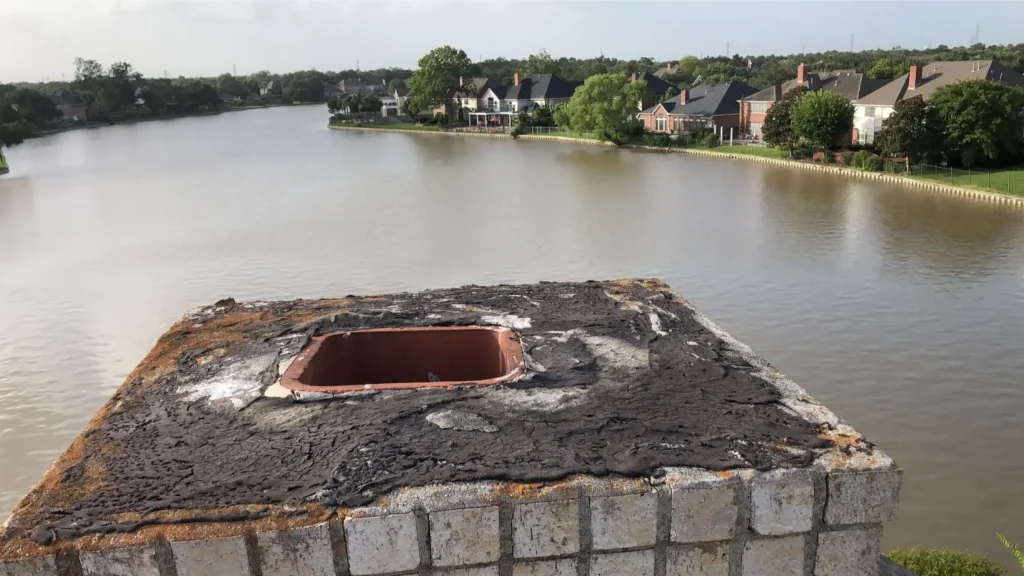
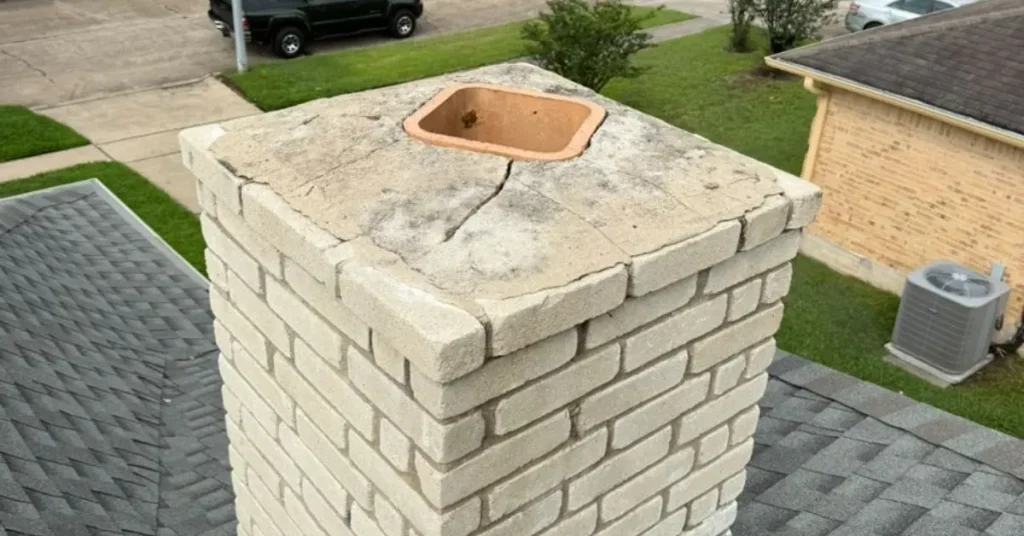
Cracks in the Chimney Crown Create Water Entry Points
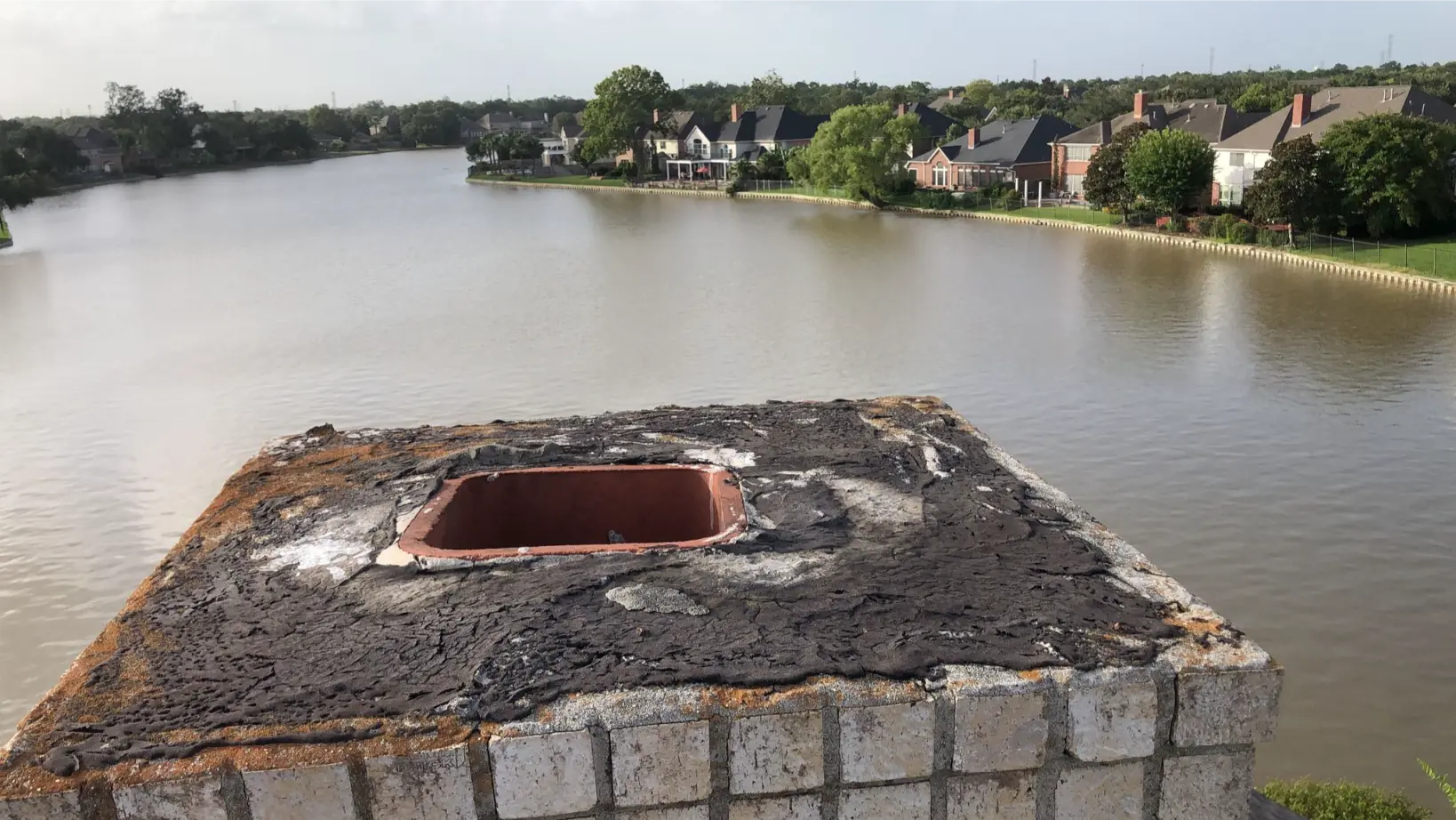
The crown sits at the very top of your structure. It’s that concrete cap that slopes away from the flue. Its job is to keep water out. Cracks in the crown are widespread, especially in older homes.
I inspect crowns closely on every service call. Even hairline cracks let water seep through. Once moisture gets inside, freeze-thaw cycles make everything worse. The cracks expand each winter season. A damaged crown leads to a persistent chimney leak that won’t stop until you address it. Minor crack repairs are affordable if caught early.
Brick and Mortar Damage That Leads to Leaks
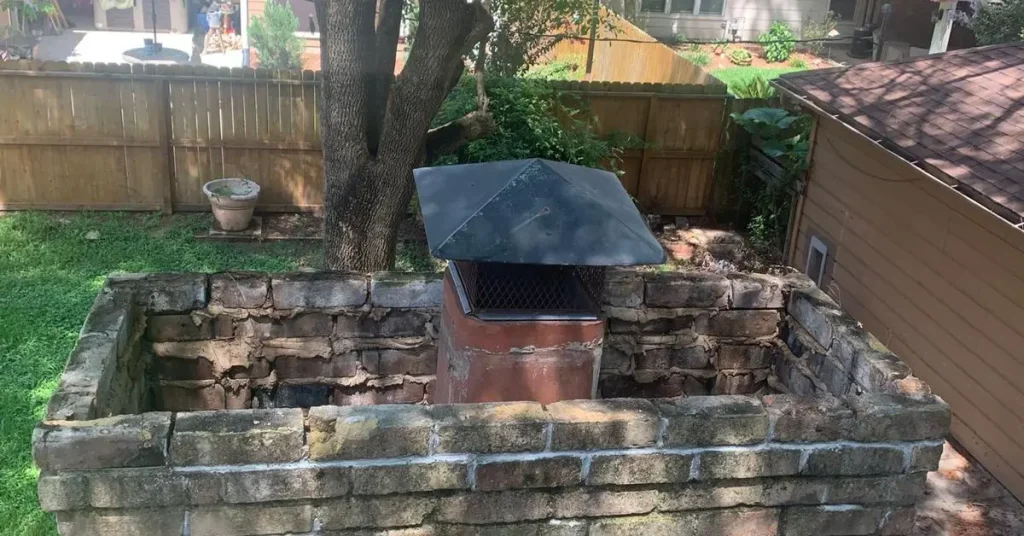
Brick chimneys look solid, but they’re actually porous. Water absorbs into the brick over time. This causes spalling, where the brick face flakes off. The mortar joints between bricks also deteriorate with age.
When brick-and-mortar fails, your chimney is leaking from multiple points. I’ve seen chimneys that looked fine from the ground but were falling apart up close. The damage happens gradually over decades. Regular inspections catch these issues before they cause leaks. Tuckpointing, the process of replacing damaged mortar, significantly extends your chimney’s life.
Signs Your Chimney Is Leaking and Needs Attention
How do you know if your chimney is leaking? Some signs are obvious, while others remain hidden. Catching problems early prevents expensive structural repairs down the road. Here’s what to watch for:
- Water stains on the ceiling or walls nearby
- Musty smells are coming from the fireplace area
- White staining on exterior brick, called efflorescence
- Dampness inside the firebox after rain
- Peeling wallpaper or bubbling paint nearby
If you notice any of these, you likely have a developing chimney leak. Don’t wait to investigate further. Water damage spreads behind walls where you can’t see it. A leak can rot wood framing and cause mold to grow in hidden spaces.
How to Prevent Chimney Leaks and Avoid Major Damage
Prevention saves you money and headaches in the long run. A few simple steps can prevent chimney leaks from ever starting. First, schedule annual inspections with a qualified technician. We spot minor issues before they become disasters.
Waterproofing is another smart move. Special sealants let the brick breathe while blocking water absorption. I recommend this treatment every five to seven years. Also, install a quality cap if you don’t have one. Caps keep rain from entering the flue directly. These preventive measures dramatically extend the lifespan and help you prevent chimney leaks altogether.
Call a Professional Chimney Service to Fix Your Chimney Leak
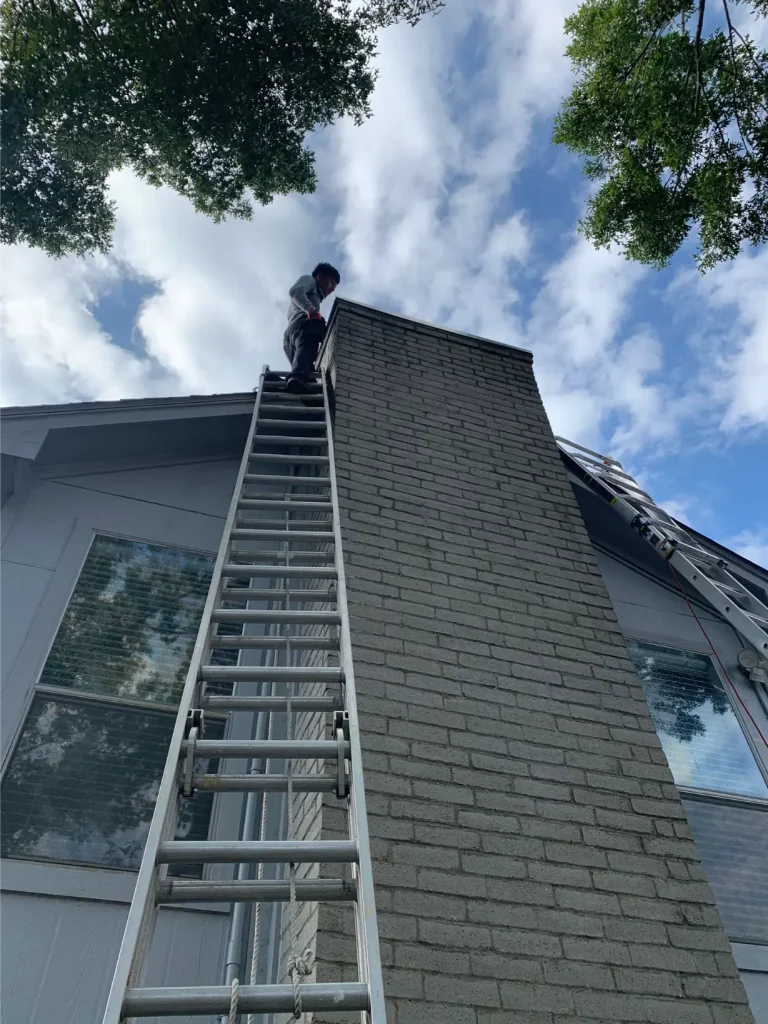
Look, I get the DIY temptation. But dealing with a chimney leak really requires professional expertise. Climbing onto your roof is dangerous without proper equipment. Plus, misdiagnosing the problem wastes time and money on wrong repairs.
A professional service brings the right tools and experience. We know exactly where to look and what to test. Most importantly, we fix the actual problem, not just the symptoms. Quality repairs come with warranties that protect your investment. When your chimney is leaking, getting expert help makes sense. Your home’s safety and your family’s comfort depend on a properly functioning system.

Our Google Reviews
Trustindex verifies that the original source of the review is Google. Raphael did an excellent job with our cleaning. On time, clear communication and professional to deal with. Highly recommended.Posted onTrustindex verifies that the original source of the review is Google. Rafael was working with a neighbor when we met. He assessed the state of my chimney , took photos, explained where all the areas of concern were and the described what would be required to keep things safe and stable. Raphael was informative and straightforward, no pressure and he was very kind. he and his helper did the work exactly as he stated in a timely manner. I would highly recommend recommend for any repairs, Quality work. Thank you 832 Home Service and RaphaelPosted onTrustindex verifies that the original source of the review is Google. Great service. Provided good consultation and service. I would reach out to them for vent cleaning everytime.Posted onTrustindex verifies that the original source of the review is Google. Excellent cleaning service.Posted onTrustindex verifies that the original source of the review is Google. Highly recommended amazing service and they did a great jobPosted onTrustindex verifies that the original source of the review is Google. The team was very helpful and knowledgeable, they took their time I Had a great experience with them. They were on time, professional, and did a thorough job cleaning my chimney. The fireplace works so much better now, and I feel safer using it. If you need chimney cleaning in Houston, I highly recommend them!Posted onTrustindex verifies that the original source of the review is Google. HIGHLY recommend I had wasp in my house that apparently came from my chimney ! They found the hole and took care of it! Also, did a deep clean after a while I didn’t clean. I’m so so happy ! Also , did a crown repair . Guys, can’t recommend enough!Posted onTrustindex verifies that the original source of the review is Google. You guys are awesome!!! I had an amazing experience From start to finish, they were professional, efficient, and detail oriented. provided great suggestions, and delivered high quality work on time and within budget. The crew was friendly, hardworking, and left everything clean after the job was done. I highly recommend themPosted onTrustindex verifies that the original source of the review is Google. I looked into several companies in Houston, Texas,, that could do a thorough chimney cleaning and repair, and this company was the most professional and highly recommended! I will definitely use their services in the future and highly recommend them to anyone interested in a safe chimney. Many thanks to the team that assisted us! 🙏🏻Posted onTrustindex verifies that the original source of the review is Google. These guys were awesome!!!!! They cleaned my dryer for a very good price and were fast!Verified by TrustindexTrustindex verified badge is the Universal Symbol of Trust. Only the greatest companies can get the verified badge who has a review score above 4.5, based on customer reviews over the past 12 months. Read more
FAQ
Q: How often should I have my chimney inspected for potential leaks?
A: I recommend annual inspections for all chimneys, regardless of age. Spring is ideal because you can catch winter damage early. Homes with older chimneys might benefit from twice-yearly checks. If you’ve experienced leaks before, more frequent monitoring makes sense. Regular inspections cost far less than emergency water damage repairs.
Q: Why does my chimney only leak during heavy rain?
A: Light rain might not reveal underlying problems. Heavy rain overwhelms weakened seals and small cracks. The increased water volume finds every gap and vulnerability. This often indicates failing flashing or porous brick that needs waterproofing. Don’t dismiss occasional leaks as minor issues. They typically worsen over time.
Q: Can a chimney cap really prevent leaks from occurring?
A: A quality chimney cap prevents rain from entering directly through the flue opening. However, it won’t stop leaks caused by flashing failure or crown damage. Think of caps as one layer of protection, not a complete solution. They also keep animals out and prevent downdrafts. Every chimney should have a properly fitted cap installed.
Q: Is chimney waterproofing worth the investment for leak prevention?
A: Absolutely, especially for brick chimneys in rainy climates. Waterproofing creates a barrier against moisture absorption. The treatment typically costs $150 to $400 and lasts several years. This prevents freeze damage and significantly extends your chimney’s lifespan. I consider waterproofing essential maintenance for any exposed masonry chimney.