

There’s nothing quite like gathering around a warm fire on a cold evening. I’ve spent years helping homeowners enjoy their fireplaces without worry. However, I’ve also seen what happens when people skip basic precautions. Home fires caused by fireplaces are more common than you’d think. The good news? Most accidents are completely preventable. This guide covers everything you need to know about fireplace safety in 2026. Let’s make sure your cozy nights stay safe ones.
Why Fireplace Safety Matters for Your Home
Every winter, I get calls from families dealing with preventable accidents. Fireplace safety isn’t just about following rules. It’s about protecting the people you love. A poorly maintained fireplace can cause house fires, smoke damage, or worse. I’ve walked into homes filled with smoke because someone forgot to check the basics.
Here’s the reality. Thousands of home fires start from fireplaces each year. Most happen because homeowners didn’t know the risks. When you understand fireplace safety, you take control of those risks. You can enjoy your fire without constantly worrying about it. Trust me, a little preparation goes a long way toward peace of mind.
How to Inspect Your Chimney Before Each Season
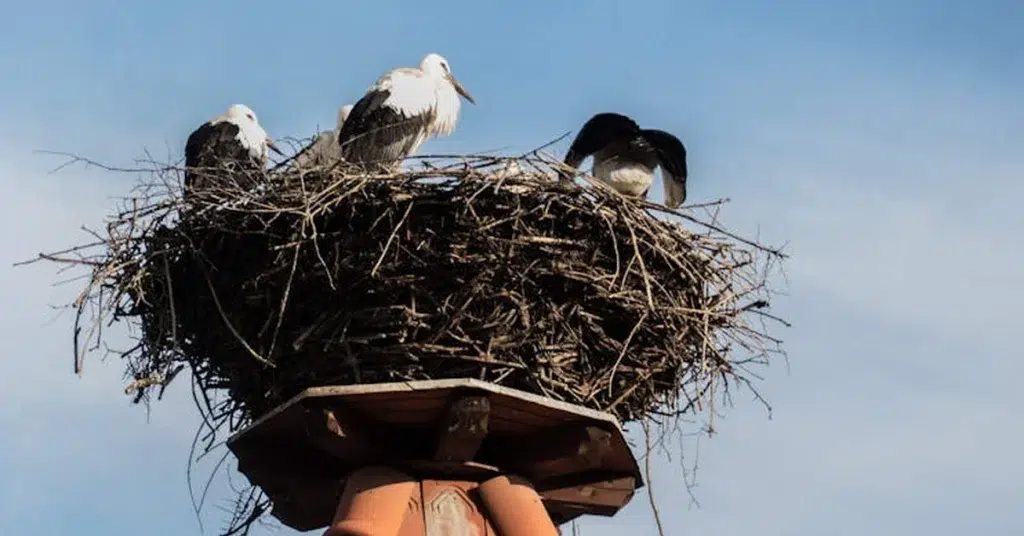
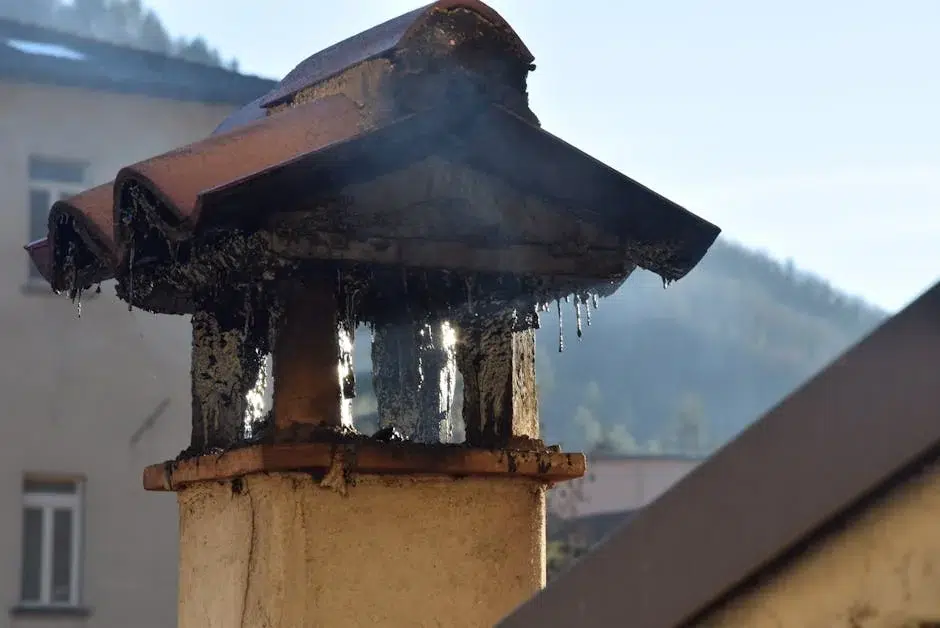
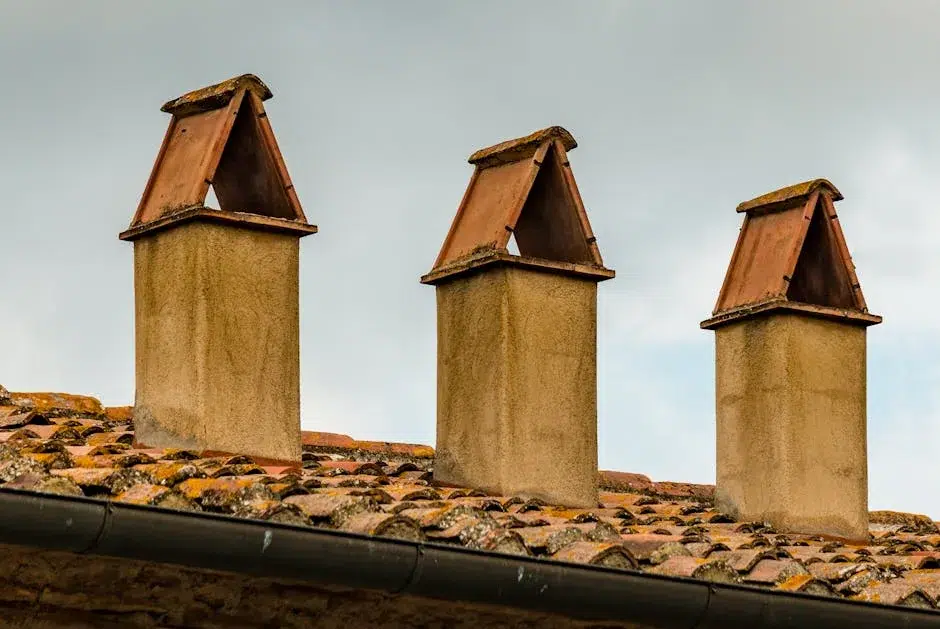
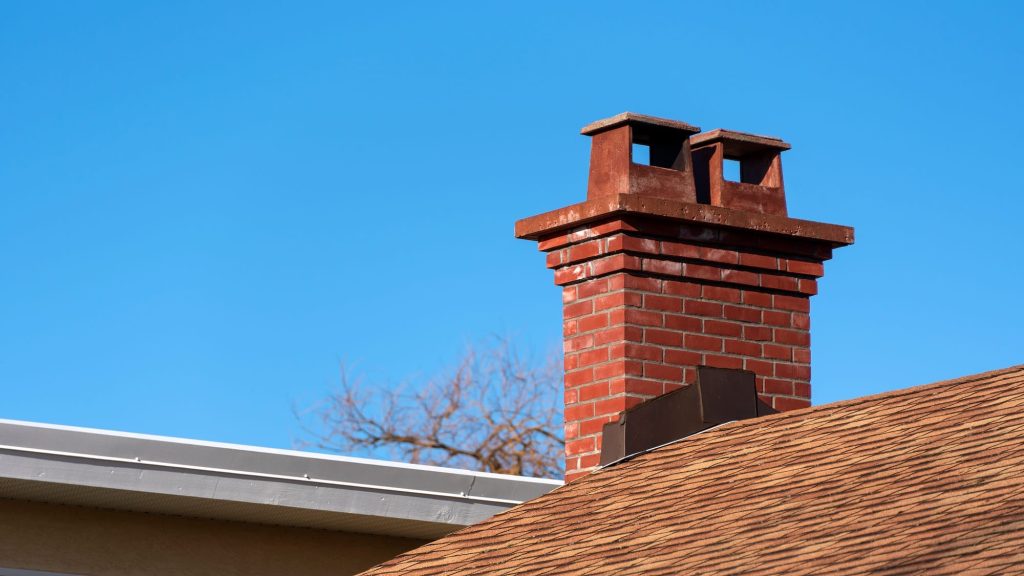
Before you light that first fire, you need to inspect your chimney. I do this for my own home every fall without fail. Look up inside with a flashlight. Check for creosote buildup, which looks like black tar. Also, watch for bird nests or debris that may block the passage.
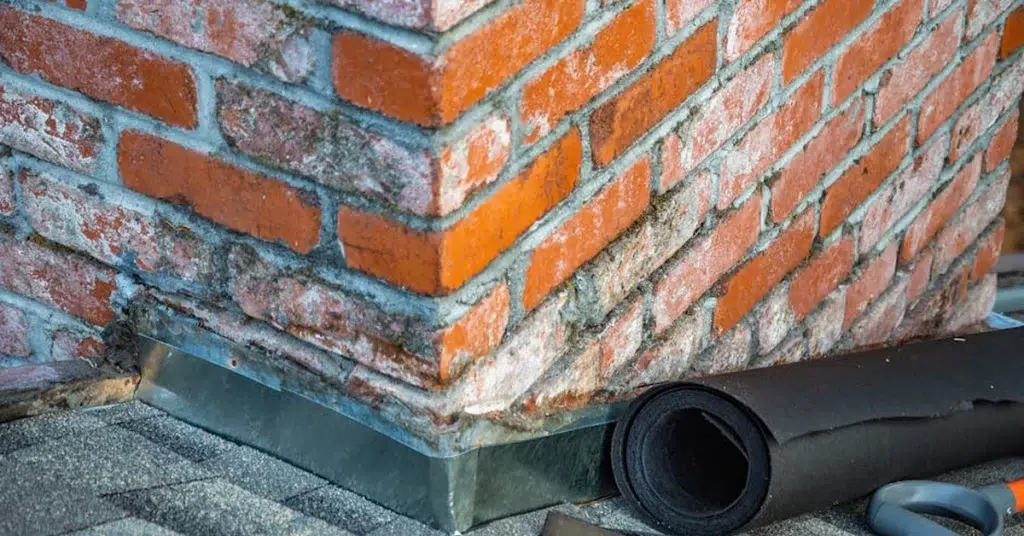
Additionally, examine the exterior of your chimney. Look for cracks in the mortar or missing bricks. Water damage can weaken the structure over time. If you spot any issues, call a certified chimney sweep right away. I recommend getting a professional inspection at least once per year. They catch problems that most homeowners miss completely.
Ensuring Your Flue Is Open Before Starting a Fire

This sounds obvious, but you’d be surprised how often it’s forgotten. Always confirm your flue is open before lighting anything. I’ve responded to so many calls about smoke-filled rooms. The culprit? A closed flue. It happens to the best of us.
The flue controls airflow in your chimney. When closed, smoke has nowhere to go but into your home. Reach up into your fireplace and feel for the damper handle. Open it fully before starting your fire. After the fire dies completely, close it to prevent heat loss. Make this part of your fireplace safety routine every single time.
Gas Fireplace Safety Tips Every Homeowner Needs
Gas fireplaces are convenient, but they still need attention. I’ve serviced many gas units over the years. The most common issue? People forget they require maintenance. Just because there’s no wood doesn’t mean there’s no risk.
First, have your gas fireplace inspected annually by a qualified technician. They check for gas leaks and proper ventilation. Keep the glass doors clean so you can spot any problems quickly. Never store anything flammable near the unit. Also, teach your kids that the glass gets extremely hot. I’ve seen burns happen in seconds. Following these fireplace safety practices keeps your gas unit running safely for years.
Why a Carbon Monoxide Detector Is Essential
Here’s something I tell every homeowner. A carbon monoxide detector can save your life. Carbon monoxide is odorless and colorless. You won’t know it’s there until it’s too late. Any fuel-burning appliance, including fireplaces, can produce it.
Install a carbon monoxide detector on every level of your home. Put one near your fireplace and sleeping areas, especially. Test the batteries monthly and replace the detectors every 5 to 7 years. I consider this non-negotiable for fireplace safety. Modern detectors are affordable and easy to install yourself. There’s simply no excuse to skip this step.
Must-Have Fireplace Tools for Safe Operation
The right fireplace tools make a huge difference in safety. I keep a complete set next to my own hearth. You’ll need a poker, tongs, a shovel, and a brush at a minimum. These tools let you manage your fire without getting too close.
Here are the essential items every fireplace owner needs:
- A sturdy metal screen or glass doors to contain sparks
- A fireplace poker and tongs for adjusting logs safely
- An ash bucket with a lid for proper disposal
- A hearth rug made of fire-resistant material
- A fire extinguisher rated for all fire types
Quality fireplace tools aren’t expensive. They protect your floors, furniture, and family from flying embers. This small investment significantly improves your overall fireplace safety.
How to Start a Fire in a Fireplace the Right Way
Starting a fire in a fireplace seems simple. However, doing it safely requires some know-how. I always begin with a clean firebox. Remove old ash, leaving about an inch for insulation. Open the flue completely before doing anything else.
Use dry, seasoned hardwood for the best results. Stack smaller kindling at the bottom with larger logs on top. Never use gasoline, lighter fluid, or other accelerants. These create dangerous flare-ups that can escape your firebox. Light the kindling from below and let it build gradually. Never leave a fire in a fireplace unattended. Following these fireplace safety steps ensures a controlled, enjoyable burn every time.
Stay Warm and Protected with Fireplace Safety
Taking fireplace safety seriously doesn’t mean giving up cozy winter nights. It means enjoying them without unnecessary risk. I’ve shared the practices that have kept my family safe for years. Regular inspections, proper tools, and working detectors are your foundation.
Make fireplace safety part of your seasonal routine. Check your chimney and flue before the weather turns cold. Test your carbon monoxide detector monthly. Keep combustibles away from the hearth. These simple habits prevent most accidents I’ve seen throughout my career. Your fireplace should bring warmth and comfort, nothing else. Stay safe this season, and enjoy every fire with confidence.

Our Google Reviews
FAQ
How often should I clean my chimney for proper fireplace safety?
Clean your chimney at least once per year, preferably before winter begins. If you burn fires frequently, consider cleaning it twice annually. Creosote buildup occurs more quickly with frequent use. A certified chimney sweep removes dangerous deposits that cause chimney fires. I schedule my cleaning every September without fail.
Can I burn any type of wood in my fireplace?
Stick to dry, seasoned hardwoods like oak, maple, or ash. These burn cleaner and produce less creosote. Avoid softwoods like pine, which create more buildup. Never burn treated lumber, painted wood, or garbage. These release toxic fumes and, over time, damage your chimney lining.
How far should furniture be from my fireplace?
Keep all furniture and combustibles at least three feet away from your fireplace. This includes curtains, rugs, and decorations. Sparks can travel further than you expect. I’ve seen carpet burns from embers that jumped the hearth. A proper clearance zone prevents these accidents.
What should I do if my smoke alarm goes off while using my fireplace?
First, check that your flue is fully open. A closed flue causes immediate smoke backup. Open windows to quickly ventilate the room. If smoke continues, extinguish the fire safely and inspect for blockages. Sometimes debris falls into chimneys between seasons, restricting airflow.
Is it safe to go to sleep with embers still glowing?
Never go to sleep with a fire burning or hot embers. Wait until everything is completely cool before leaving. Use a fireplace screen to contain any remaining sparks. I always check my firewall one final time before heading to bed. This simple habit prevents overnight accidents.
How do I know if my gas fireplace is leaking?
Watch for a rotten egg smell, which indicates a gas leak. Hissing sounds near the unit also signal problems. If you suspect a leak, turn off the gas supply immediately. Open windows and leave your home right away. Call your gas company or a technician before using the fireplace again.