
Services
Chimney Inspection
Houston Chimney Sweep Cost Guide (2026): What Homeowners Should Expect to Pay
April 17, 2026
- By
- 832 Chimney Services
- Chimney Service Professionals
What should you actually budget for chimney cleaning this year – and how do you know you’re not overpaying? At 832 Chimney Services, we’ve been helping homeowners navigate chimney maintenance decisions for years of experience, and we created this Houston Chimney Sweep Cost Guide (2026) to clarify pricing, scope, and value. Many clients start by reviewing our chimney sweep cost breakdown before scheduling. We’ve seen Pecan Grove homeowners skip a $200 – $300 cleaning only to face a $2,000+ smoke damage cleanup after a chimney fire. Creosote buildup doesn’t stay cosmetic – it becomes fuel. Understanding what you’re paying for, and why, protects your home and your budget.
How to Evaluate Chimney Sweep Options and Avoid Costly Mistakes
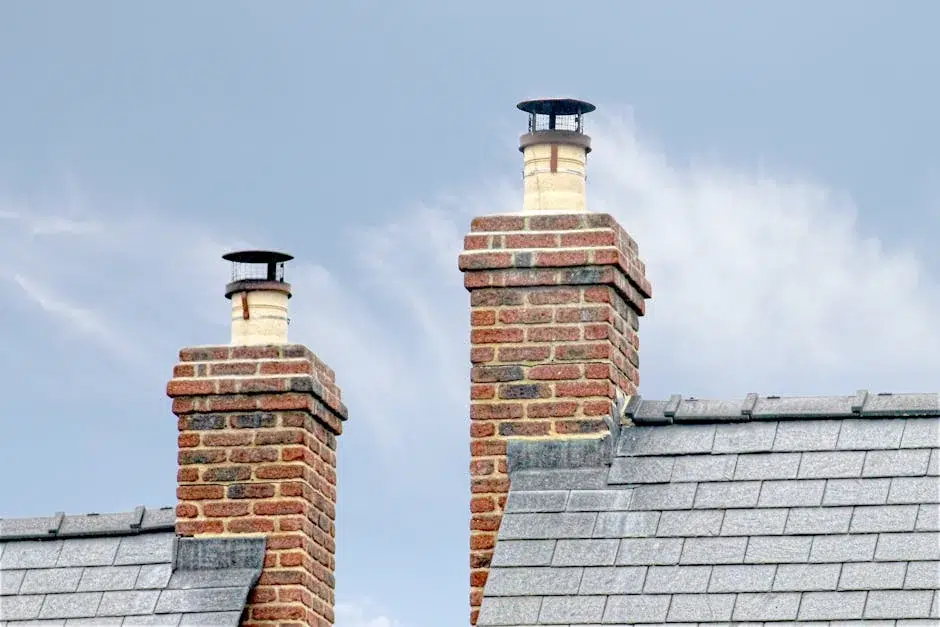
The most important best practice is verifying that cleaning includes inspection, documentation, and proper debris containment. A lower price often reflects limited scope. Quality chimney service follows recognized industry standards and provides clear reporting. When comparing providers, look for:
- Level 1 inspection included per NFPA 211 for routine annual service.
- Rotary or power sweeping equipment instead of hand brushes only.
- HEPA vacuum containment to prevent soot contamination inside the home.
- Photo documentation of flue condition before and after cleaning.
- Clear disclosure if glazed creosote requires specialized removal.

Questions to Ask Before Scheduling Your Chimney Sweep
Understanding the process helps homeowners budget realistically and avoid surprise add-ons. A standard chimney sweep appointment typically includes:
- Visual exterior evaluation of crown, cap, and masonry.
- Interior fireplace and damper inspection.
- Rotary sweeping of the flue with containment.
- Removal of soot and debris from smoke shelf.
- Basic condition report with photos.
- Site complexity (roof pitch, chimney height, multi-story access).
- Material conditions (stainless steel liner vs. clay tile, heavy glaze buildup).
- Total scope (inspection level, animal removal, minor repairs).
Get Clear Pricing Before You Commit
Chimney maintenance affects fire safety, indoor air quality, and long-term repair costs. Before committing to the lowest advertised rate, make sure the service includes inspection, proper equipment, and transparent reporting. We provide detailed evaluations so homeowners understand exactly what condition their chimney is in and what it may need next. If you’re comparing estimates or planning annual maintenance in Pecan Grove, schedule an on-site assessment and get straightforward answers about scope and pricing.

FAQs
How often should chimneys in Pecan Grove be cleaned?
NFPA 211 recommends that chimneys, fireplaces, and vents be inspected at least once per year and cleaned as necessary. In Pecan Grove, even homeowners who use their fireplace only during colder months should schedule annual inspections because humidity and rain can accelerate liner and masonry deterioration. Creosote can accumulate after just a season of moderate burning. Gas fireplaces also require inspection to check vent connectors and draft. Skipping annual service increases the risk of chimney fires and carbon monoxide issues. Even if cleaning isn’t required every year, documented inspection protects safety and may support insurance compliance if a claim ever arises.
What is typically included in a standard chimney sweep service?
A standard chimney sweep usually includes a Level 1 visual inspection, rotary brushing of the flue, soot and creosote removal, smoke shelf cleaning, and debris containment using HEPA vacuums. The technician should inspect the damper, firebox panels, crown, and chimney cap. Photo documentation before and after cleaning is increasingly common and provides transparency. If nests, excessive glaze creosote, or damaged liners are discovered, additional services may be recommended. A complete service focuses on both cleaning and evaluating structural condition, not just brushing the flue walls. Clear reporting allows homeowners to plan maintenance instead of reacting to unexpected failures later.
How much does chimney cleaning cost in 2026?
In 2026, standard chimney cleaning in Pecan Grove may range from $180 to $350 for a typical single-flue wood-burning fireplace. Prices can increase if a camera inspection, animal removal, or heavy creosote treatment is needed. Cost typically fluctuates based on site complexity (roof height and accessibility), material conditions (liner type and buildup level), and total scope (inspection level and minor repairs). Multi-story homes or steep roofs may require additional safety equipment, affecting labor time. These figures are preliminary benchmarks for informational purposes only and do not constitute a binding quote. An on-site evaluation is required for a final proposal.
Can homeowners clean their own chimney to save money?
Homeowners can purchase chimney brush kits, but DIY cleaning has limitations. Without rotary equipment, proper brush sizing, and inspection cameras, it’s difficult to remove glazed creosote or identify cracked flue tiles. Safety is another concern – roof access on multi-story homes increases fall risk. DIY cleaning may be reasonable for light soot maintenance in a single-story home with proper safety precautions, but it does not replace an annual professional inspection. Missing hidden liner damage or heavy creosote buildup can lead to chimney fires. Professional service combines cleaning with condition assessment, which protects both safety and long-term repair costs.
What warning signs indicate I need chimney cleaning soon?
Common warning signs include strong smoky odors, especially during humid weather, reduced draft when starting a fire, visible black creosote flakes inside the firebox, and soot falling into the hearth. If you notice animals entering or hear scratching, nesting debris may be present in the flue. Excess smoke spilling into the room often signals restricted airflow from buildup. In Pecan Grove’s humid climate, moisture mixing with creosote can create acidic odors that worsen over time. Scheduling inspection at the first sign of draft or odor problems prevents heavier buildup and more expensive remediation later.
Are there chimney issues specific to homes in Pecan Grove?
Yes. Many homes in Pecan Grove feature masonry chimneys exposed to high humidity and seasonal storms. Moisture penetration can crack crowns, deteriorate mortar joints, and accelerate flue liner damage. When rain mixes with creosote, it forms acidic compounds that corrode metal components such as dampers and caps. We also see animal nesting during cooler months, especially in chimneys without properly screened caps. Regular inspection helps identify early mortar spalling and flashing gaps before water intrusion causes interior staining or structural repairs. Preventive maintenance is often far less expensive than rebuilding damaged masonry sections.
What should I look for when hiring a chimney professional?
Look for technicians who follow NFPA 211 standards and provide clear documentation. Certification through organizations such as the Chimney Safety Institute of America (CSIA) demonstrates formal training. Verify that the company carries liability insurance and uses proper containment equipment. Ask whether inspection levels are included and request photo evidence of any recommended repairs. Transparent pricing and written estimates protect homeowners from unexpected add-ons. A reputable professional explains findings clearly and does not pressure homeowners into unnecessary rebuilds without proof. Comparing scope of work – not just price – helps ensure you receive thorough and compliant service.
When should I schedule service if there’s no emergency?
The best time to schedule chimney cleaning is late spring through early fall, before peak burning season begins. Booking early avoids scheduling delays during colder months when demand increases. If you notice odors, draft issues, or visible soot accumulation, schedule service promptly even if you don’t plan to use the fireplace immediately. Addressing buildup early prevents moisture-related deterioration during humid months. Routine annual inspections keep minor issues from becoming structural repairs. Waiting until the first cold night often leads to longer wait times and higher stress, even if the situation is not an emergency.
Information
Our Services
Contact Us
Address: 2 MockingBird Cir,
Houston, TX 77074