Services
Chimney Inspection
Why Is Smoke Coming Back Into My Fireplace? (Houston Homeowner Guide)
February 24, 2026
- By
- 832 Home Service
- Chimney & Fireplace Specialists
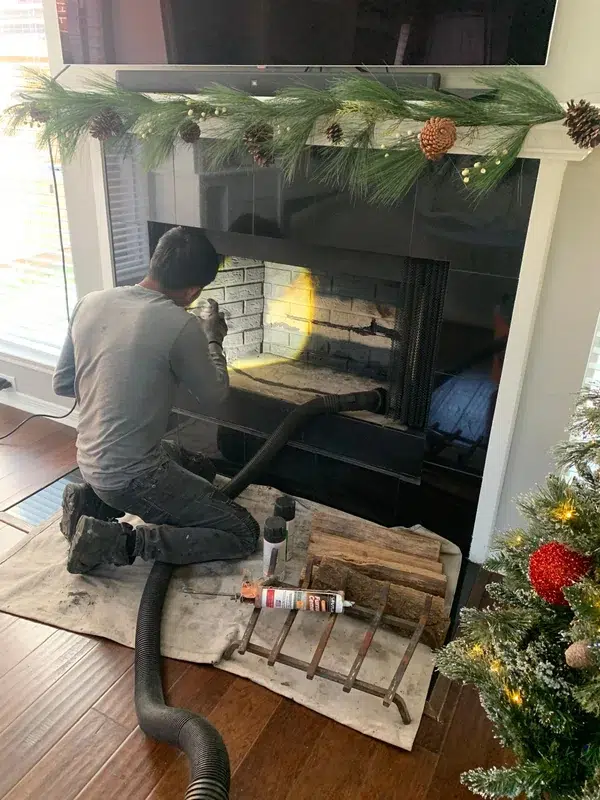
Smoke coming back into your fireplace usually means a drafting problem – either the chimney can’t pull smoke upward, or something is blocking that flow. At 832 Home Service, we’ve been helping Houston homeowners diagnose fireplace and chimney issues for years of experience, and we’ve noticed most backdraft problems trace back to airflow, height, or buildup inside the flue. We recently inspected a Houston home where smoke filled the living room every time the homeowner lit a fire. The issue wasn’t the firewood – it was heavy creosote buildup and a partially closed damper. Left unchecked, that situation could have led to a chimney fire or carbon monoxide entering the home. If you’re unsure about the condition of your system, start with a professional chimney inspection guide to understand what may be happening inside your flue.
What Local Regulations Require for Safe Fireplace Operation
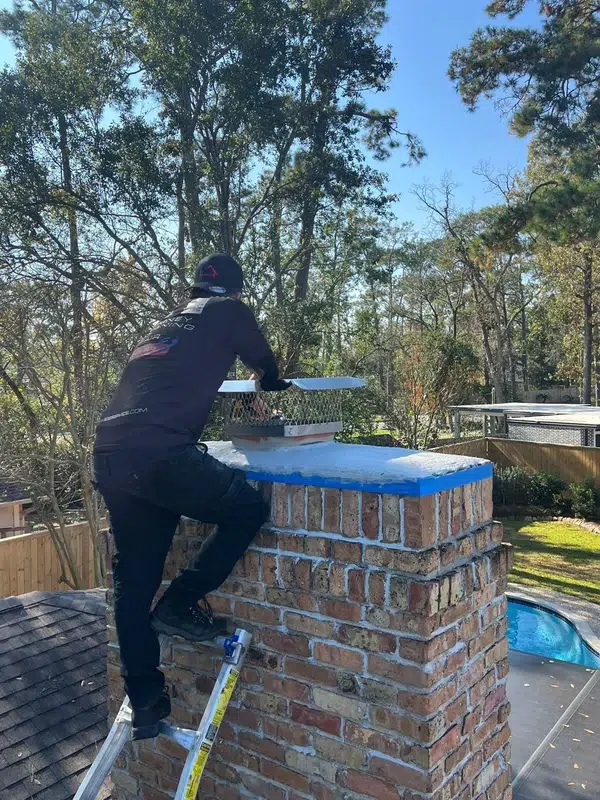
Houston’s humid climate, hurricane exposure, and wind loads directly affect chimney performance. High winds can create downdrafts, and heavy rainfall can damage chimney crowns and liners. That’s why local building codes matter – inspectors enforce these requirements during construction, major repairs, and permit-triggering upgrades.
- City of Houston Residential Code (based on 2015 IRC), Chapter 10 – Chimneys and Fireplaces (R1003) – Requires masonry chimneys to meet the 2-10-3 height rule (chimney must extend at least 3 feet above the roof penetration and 2 feet higher than any structure within 10 feet). Improper height can cause draft failure and smoke backflow. Non-compliance can result in failed inspections and required reconstruction.
- City of Houston Mechanical Code (based on 2015 IMC), Chapter 8 – Chimneys and Vents – Governs vent connector sizing, clearances to combustibles, and liner requirements. Incorrect flue sizing can cause smoke spillage and carbon monoxide hazards. Violations may affect insurance coverage and trigger correction notices.
- Texas Department of Licensing and Regulation – Air Conditioning and Refrigeration Rules – Impacts negative pressure issues when HVAC systems are improperly balanced. Oversized exhaust fans or return air leaks can backdraft fireplaces. Improper installations may result in safety violations and required system modifications.

Practical Troubleshooting, Timeline, and Cost Factors
Most smoke problems in Houston homes come from preventable oversights, and correcting them delivers immediate local benefits. When your fireplace drafts correctly, you enjoy cleaner indoor air, stronger heat output on cool Gulf Coast evenings, and less wear on your HVAC system. Many homeowners focus only on the fire, but the real advantage comes from maintaining the full chimney system for our humid climate. Common mistakes include:
- Burning unseasoned wood with moisture content above 20 percent, which creates excess smoke and creosote
- Closing the damper too soon after lighting, restricting proper draft
- Skipping annual cleaning and allowing creosote glaze to harden
- Ignoring cracked crowns that let rainwater seep into masonry and liners
- Basic chimney cleaning: 1 – 2 hours
- Stainless steel liner installation: 1 – 2 days
- Masonry crown repair: 1 – 2 days plus curing time
Schedule a Fireplace Draft Evaluation
If smoke is entering your living room, the issue will not correct itself. Draft problems typically worsen as creosote builds up or masonry continues to deteriorate. We provide thorough chimney inspections, camera flue evaluations, and clear recommendations so you understand exactly what is causing the backdraft. Our team evaluates chimney height, liner condition, cap design, damper function, and indoor air pressure to identify the root cause – not just the symptom. If corrections are needed, we outline practical options and realistic timelines. Whether the solution involves cleaning, repair, or system upgrades, we focus on restoring safe, efficient fireplace operation without unnecessary work. If you’re concerned about smoke coming back into your fireplace in Houston, we’re ready to help with a straightforward, low-pressure assessment.
FAQs
Why does smoke only come back into my fireplace on cold mornings?
Cold mornings often create a strong column of dense, cold air sitting inside the chimney. Until that air warms and begins rising, it can push smoke back into the room. This is called a cold flue plug. In Houston, where temperatures fluctuate quickly, overnight cold snaps followed by morning fireplace use can trigger this effect. We recommend priming the flue before building a full fire. Roll up a sheet of newspaper, light it, and hold it near the damper opening to warm the air column. You can also open a nearby window slightly to reduce negative pressure. If the issue persists even after warming the flue, there may be a height or obstruction issue that requires inspection. Persistent backdrafting should not be ignored because it can allow carbon monoxide into living areas.
Can a chimney cap help stop smoke from coming back inside?
Yes, a chimney cap can help improve draft performance, but only when it is properly selected and professionally installed. In Houston, strong storms and shifting wind patterns often create downdrafts that push air back down the chimney instead of allowing smoke to exit efficiently. A well designed, wind resistant chimney cap with a hooded or directional shape helps deflect gusts and stabilize airflow at the top of the flue. This promotes a more consistent upward draft and reduces the chance of smoke entering the home. That said, a cap is not a cure all solution. It will not correct underlying issues such as excessive creosote buildup, an incorrectly sized flue liner, blockages, or a chimney that does not meet the 2-10-3 height rule. We have also seen low cost mesh caps restrict airflow, leading to poorer performance and increased smoke problems. For long term reliability, a stainless steel, high-wind-rated cap that meets UL standards is typically the best option. Before installing any cap, make sure the chimney is clean, inspected, and structurally sound to prevent trapping smoke, moisture, or hazardous gases inside the system.
How much does it cost to fix a smoking fireplace in Houston?
Costs vary significantly depending on the underlying cause of the problem and the extent of corrective work required. For example, a routine chimney cleaning typically starts at a few hundred dollars, assuming there are no major obstructions or structural concerns. If a stainless steel liner is needed to improve drafting and safety, installation generally ranges from about 2,000 to 5,000 dollars. The final price depends on factors such as chimney height, flue diameter, and the type of appliance being vented. More extensive structural masonry repairs, including crown rebuilding, tuckpointing, or partial brick replacement, can increase costs further depending on labor intensity and material requirements. Pricing may fluctuate based on several considerations:
- Site complexity and overall roof accessibility
- Material costs, particularly stainless steel liner systems
- Total scope of work, including any structural stabilization or code upgrades
Can I fix a backdrafting fireplace myself?
Some minor adjustments are safe for homeowners and can often resolve simple performance issues. Start by confirming that the damper is fully open and unobstructed. Burn only properly seasoned hardwood with a moisture content below 20 percent, since wet wood creates excess smoke and weak draft. It also helps to crack a nearby window slightly to provide additional combustion air, especially in tightly sealed homes. Avoid running powerful bathroom or kitchen exhaust fans while the fireplace is operating, as they can pull air out of the house and reverse the draft. Beyond these basic steps, diagnosing persistent draft problems requires specialized equipment such as a chimney camera system, draft gauge, and combustion analyzer. These tools help identify hidden blockages, liner damage, or improper venting design. Structural height corrections, liner installation, and masonry repairs involve roof access and must meet local building codes. We have seen DIY attempts where homeowners removed loose creosote but left behind hardened glaze that later ignited. If smoke problems continue after basic troubleshooting, a professional evaluation is the safest and most reliable solution.
What are the warning signs that my chimney needs cleaning?
Watch for black, flaky soot falling into the firebox, a persistent smoky odor even when no fire is burning, or visible shiny, tar-like buildup along the interior walls of the flue. That glossy coating is known as glazed creosote. It forms when smoke condenses and hardens, and it is far more difficult to remove than loose soot. It is also highly flammable, increasing the risk of a dangerous chimney fire. Additional warning signs include fires that are slow to start, excessive smoke when lighting kindling, poor draft performance, or dark soot stains appearing on the fireplace surround or mantel area. In Houston’s humid climate, moisture can combine with creosote deposits to create acidic compounds that speed up corrosion of metal components and contribute to cracking or deterioration of clay flue liners. Even if you only use your fireplace occasionally, scheduling an annual inspection is strongly recommended. Routine cleaning and professional evaluation help reduce fire hazards, improve airflow, and extend the lifespan of your chimney system.
Are draft problems common in Houston homes?
Yes, chimney draft problems are especially common in older masonry fireplaces throughout the Houston area. The local climate plays a major role in how well a chimney performs. Houston homes are exposed to high humidity levels, frequent heavy rainfall, and occasional strong wind events. Over time, these conditions can deteriorate chimney crowns, damage mortar joints, and allow water intrusion that weakens the overall structure. Moisture inside the flue can also affect how efficiently smoke rises and exits the home. In addition, many newer or renovated homes are tightly sealed to improve energy efficiency. While this helps reduce utility costs, it can create unintended airflow challenges. When powerful kitchen range hoods, bathroom exhaust fans, or clothes dryers operate, they may generate negative indoor pressure. This negative pressure can pull smoke and combustion gases back down the chimney and into the living space. We often notice draft issues after HVAC system upgrades or window replacements that further tighten the home. Proper chimney height, flue sizing, and balanced indoor air pressure are essential for safe and consistent fireplace performance in this region.
What should I look for when hiring a chimney professional?
Look for technicians who are trained and certified under recognized industry standards such as those established by the Chimney Safety Institute of America CSIA. Certification demonstrates that the contractor understands proper inspection methods, safety protocols, and current best practices. Ask whether they conduct internal camera inspections and provide clear written reports with photos that document their findings. A reputable professional should carry proper insurance coverage and be familiar with Houston’s adopted residential and mechanical codes, since local regulations can directly affect chimney height, ventilation requirements, and liner specifications. During the consultation, request a detailed explanation of the underlying cause of the issue rather than accepting a quick surface level fix. For instance, if your fireplace has weak draft, the contractor should assess chimney height, liner diameter, cap design, obstruction risks, and indoor air pressure balance. Be cautious of vague statements such as it just needs a cap without measurements, testing, or documented inspection data. A thorough, methodical evaluation protects your household safety, improves system performance, and safeguards your long term investment in your home.
What should I do if smoke is filling my living room right now?
Immediately extinguish the fire and open several windows to ventilate the room as quickly as possible. If smoke continues to accumulate, or if you notice a strong burning odor, visible soot falling into the fireplace, or difficulty breathing, leave the house right away and call emergency services. Feeling lightheaded, dizzy, or nauseated can indicate carbon monoxide exposure, which is extremely dangerous and requires immediate attention. Smoke backing up into the living space often signals a serious blockage, a developing chimney fire, or a malfunction in the flue system that is preventing proper draft. Do not attempt to investigate the chimney yourself while the fire is active. Hidden flames can spread rapidly through creosote deposits or cracks inside the chimney liner and surrounding framing. Even after the visible flames are out, heat can remain trapped within the chimney structure. Avoid relighting the fireplace until a certified professional has completed a thorough inspection and confirmed it is safe to use. Keep in mind that emergency or after hours service calls may include additional fees due to the urgency and potential hazards involved.
Information
Our Services
Contact Us
Address: 2 MockingBird Cir,
Houston, TX 77074