




How Chimney Breast Removal Can Increase Your Living Space
If you own an older property, you probably know the struggle. That bulky chimney breast takes up valuable floor space. It limits your furniture options and makes the room feel cramped. We see this all the time when working with clients on renovation projects. The good news? Removing it can completely transform your living area. Let us walk you through what this process involves and whether it makes sense for your home.
Why Homeowners Choose Chimney Breast Removal
Most people come to us with the same complaint. Their rooms feel smaller than they should. That old chimney breast sticks out awkwardly from the wall. It blocks natural light and creates dead space on either side.
We have helped dozens of homeowners reclaim this wasted area. Once the structure comes out, the difference is immediate. Suddenly, you can fit a larger sofa. Your TV sits flush against a clean wall. The whole room breathes better. For smaller flats, this extra space genuinely changes how you live day to day.
What Happens During a Chimney Breast Removal Project
Every project starts with a thorough assessment of your property. We need to understand how your chimney breast connects to the floors above and below. Sometimes, clients only want to remove the breast downstairs. Other times, they want it gone from multiple floors.
The work itself involves careful demolition and proper structural support. We cannot just knock it down and hope for the best. Your home needs adequate support where the structure once stood. This typically means installing steel beams or other load-bearing elements. The whole process usually takes a few days to a week.

Working with a Qualified Structural Engineer
Here is something we always tell clients. You absolutely need a structural engineer involved. This is not optional. A qualified structural engineer calculates exactly what support your home requires. They create detailed plans showing beam sizes and placement.
We have seen DIY attempts go wrong. Cracks appear in the walls. Floors start to sag. These problems cost far more to fix than hiring an engineer upfront. Think of it as insurance for your home. The engineer’s calculations protect your property and everyone inside it.
Understanding Building Regulations
Building regulations exist for good reason. They keep your home safe and ensure work meets proper standards. Before starting any removal work, you need approval from your local building control department.
The process is straightforward when you work with experienced professionals. We handle the paperwork and inspections regularly. Your council wants to see the structural calculations and plans. They will also inspect the work at key stages. Once complete, you receive a certificate. This matters when you eventually sell your property.
How Removing a Chimney Breast Wall Opens Up Your Home
The transformation really is remarkable. We worked on a Victorian terrace last month. The living room went from feeling cramped to genuinely spacious. The homeowner could finally position their furniture how they wanted.
Without that protruding structure, your design options multiply. You gain a flat wall perfect for mounted televisions or artwork. The floor plan becomes more flexible. Many clients tell us their rooms feel larger even though the square footage stays the same. It is all about usable space and clean sight lines.
Creating a Focal Point with Your New Alcove
Sometimes clients keep part of the original fireplace surround. This creates a lovely alcove space. You can install shelving here for books or decorative items. Many people add built-in cabinets for extra storage.
We often suggest lighting to create a focal point in this new area. A few well-placed spotlights make the alcove a real feature. You get the best of both worlds. More floor space plus an attractive design element. It honors the original character while modernizing your home.
The Brickwork Process and What to Expect
Removing brickwork creates dust and debris. We always seal off the work area with plastic sheeting. This protects your furniture and keeps mess contained. Proper preparation makes cleanup much easier afterward.
The brickwork comes out carefully, brick by brick in many cases. We need to avoid damaging the surrounding walls or floors. Once the structure is gone, plastering creates a smooth finish. Most clients cannot tell that anything was ever there. The wall looks completely original once painted.
Here is what our typical process includes:
- Initial survey and structural assessment
- Building control application submission
- Careful demolition with dust protection
- Steel beam installation for support
- Plastering and finishing work
Considering False Chimney Breasts as an Alternative
Not everyone needs complete removal. False chimney breasts offer a middle ground. These are decorative features that look like the real thing. However, they do not actually connect to a working chimney.
Some period properties suit this approach better. You keep the traditional look without the bulk. False chimney breasts take up far less space than original structures. They work well when you want character but need more room. We can create custom designs that perfectly match your interior style.

Is Chimney Breast Removal Right for You?
This decision depends on several factors. Consider how you use your space currently. Think about your budget and timeline. Weigh the disruption against the long-term benefits you will enjoy.
For most older properties, it is worth serious consideration. The extra space and design flexibility genuinely improve daily living. Your home feels more modern and functions better. Property values often increase, too. Just make sure you work with qualified professionals who understand the structural requirements. Done correctly, this investment pays off for years to come.
Our Google Reviews
FAQ
Q: How long does the removal process take?
A: Most single-floor projects take three to five days. Multi-story removals need one to two weeks. Building control inspections may slightly extend timelines. The weather rarely affects indoor work. We always provide realistic schedules during initial consultations so you can plan accordingly.
Q: Do I need planning permission for this work?
A: Planning permission is usually not required for internal alterations. However, building regulations approval is always mandatory. Listed buildings have additional requirements. Conservation areas may also have restrictions. Check with your local council before starting any work.
Q: Will removing my chimney breast affect my neighbours?
A: In terraced or semi-detached properties, your chimney breast connects to your neighbour’s. You must ensure their structure remains properly supported. A party wall agreement may be necessary. Your structural engineer addresses these concerns in their calculations and plans.
Q: Can I keep my fireplace after removal?
A: Absolutely. Many clients retain decorative surrounds or create new fireplace features. Electric or gas fires work without a functioning chimney. You can install these in a new false chimney breast. This gives you the cosy aesthetic without the bulky original structure.
Q: What happens to the chimney stack on my roof?
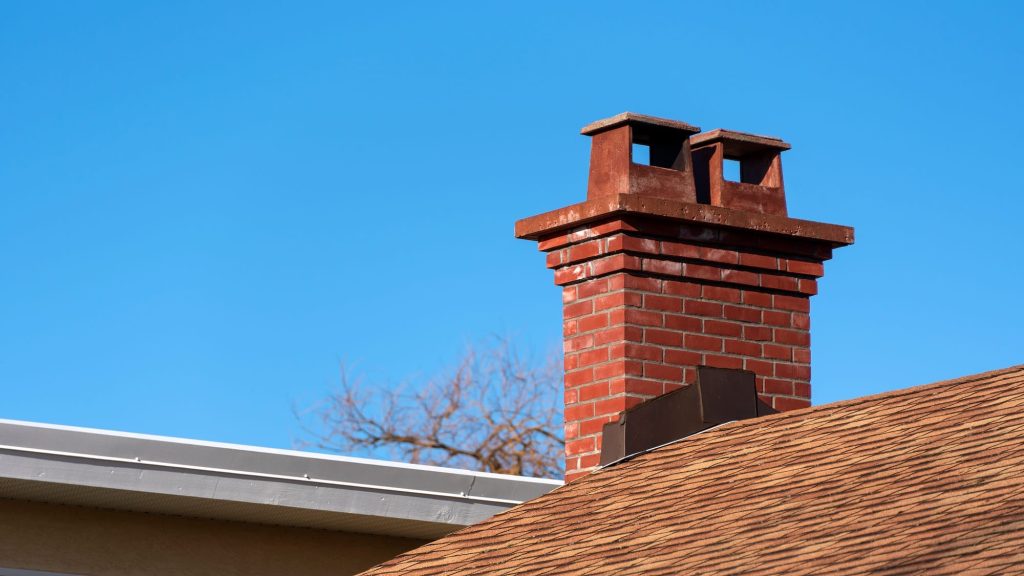
A: Removing the breast does not automatically mean removing the stack. The stack can remain with proper support. However, some homeowners remove both for a cleaner look. This requires additional scaffolding and roofing work. Discuss options with your contractor during planning.