
Services
Chimney Inspection
Stainless Steel Chimney Liner Installation: Benefits, Process & Pricing
February 16, 2026
- By
- 832 Chimney Services
- Chimney Service Professionals
Many homeowners believe a chimney liner is optional – as long as smoke goes up and out, everything must be fine. At 832 Chimney Services, we’ve been helping homeowners with chimney safety for years of experience, and we’ve noticed this misconception leads to costly and dangerous problems. We’ve opened fireboxes that looked normal from the outside but had cracked clay flue tiles and exposed brick joints inside. Ignoring a damaged or missing liner can allow extreme heat and flue gases to reach framing members, increasing the risk of house fires and carbon monoxide exposure. The National Fire Protection Association (NFPA) requires liners for masonry chimneys under NFPA 211 for this reason. If you’re unsure about your current setup, start with a detailed review like our chimney inspection guide to understand what a safe flue system should include.
Standards, Tools, and Critical Installation Steps
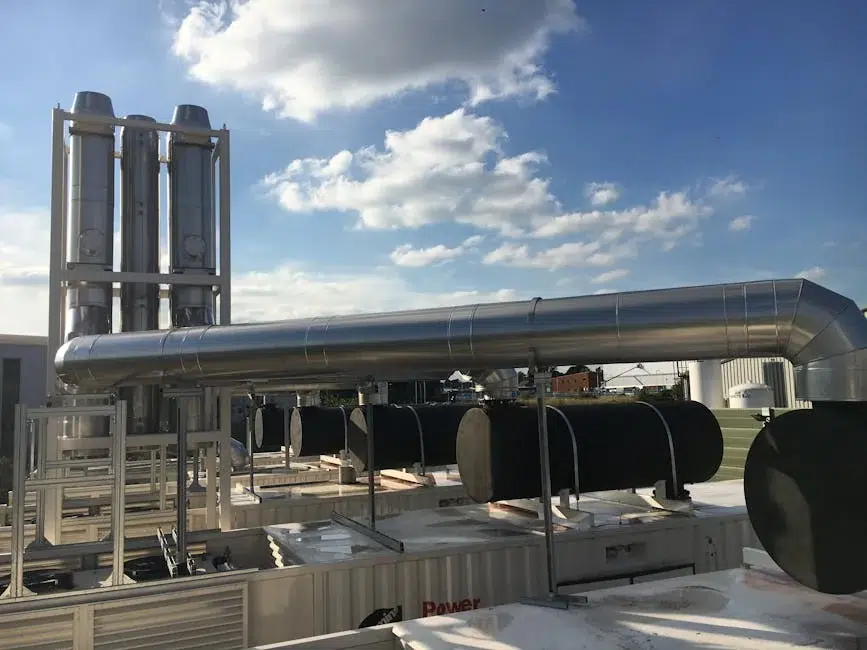
Proper stainless steel chimney liner installation starts with accurate sizing, strict code compliance, and a deep understanding of local building conditions. In our area, climate swings, heavy rain, and high humidity levels all impact chimney performance. A liner must match the appliance BTU output and flue collar diameter to maintain correct draft and minimize condensation. Oversizing or undersizing leads to weak draft, smoke spillage, and accelerated creosote buildup. Local expertise ensures these variables are evaluated correctly the first time. Our team follows a structured process aligned with NFPA 211 and UL 1777 requirements:
- Level II chimney inspection with video scanning to assess tile condition, offsets, and hidden damage.
- Precise measurement of flue height, bends, and interior dimensions using professional laser tools.
- Selection of the proper alloy such as 304 or 316Ti and appropriate wall thickness, typically .005 to .006 for residential applications.
- Installation of ceramic blanket insulation or poured insulation mix when clearance reduction or draft improvement is required.
- Secure sealing with a top plate, storm collar, and listed rain cap to prevent water intrusion and animal entry.

What Affects Cost and How Long Installation Takes
Homeowners often ask what stainless steel chimney liner installation costs and how disruptive the work will be, but the real value becomes clear when you consider the long term local benefits. In most standard masonry chimneys, installation can be completed in one day, minimizing interruption to your routine. Complex offsets, steep roofs, or crown repairs may extend the project to two days, yet the payoff is improved safety, efficiency, and compliance with local building standards. Typical pricing ranges from $2,500 to $5,500 for a full installation, depending on chimney height, roof access, alloy type, insulation requirements, and whether updates to the cap, crown, or flashing are needed. For homeowners in our area, a properly installed and insulated liner helps appliances perform better during colder months and reduces the risk of draft issues caused by fluctuating temperatures. It also supports smoother inspections during real estate transactions and can increase buyer confidence if you plan to sell. We once worked with a homeowner who tried to save money with an uninsulated liner purchased online. The system failed inspection due to insufficient clearance to combustibles. Replacing it doubled the total expense. Following manufacturer specifications for fastening methods, top plate installation, and insulation thickness protects your warranty and your investment. Reviewing planning considerations in our chimney repair cost guide can help you set realistic expectations. All figures are preliminary and require an on site evaluation for a final proposal.
Schedule a Professional Liner Assessment
If you are unsure whether your chimney meets current safety standards, now is the time to find out. Hidden damage, cracked liners, and improper sizing can lead to poor performance, dangerous gases, and costly repairs if ignored. Our comprehensive inspection with advanced video scanning gives you clear, documented answers about the true condition of your chimney. If a stainless steel chimney liner is the best solution, we will walk you through the right alloy choice, insulation requirements, and installation timeline so you can move forward with confidence. At 832 Chimney Services, we prioritize safety, efficiency, and long-term reliability. We do not cut corners or recommend unnecessary work. You get honest guidance, skilled craftsmanship, and lasting results. Do not wait for smoke problems or safety hazards to appear. Schedule your professional evaluation today and protect your home, your investment, and your peace of mind.
FAQs
What is a stainless steel chimney liner and why is it needed?
A stainless steel chimney liner is a flexible or rigid metal tube that is installed inside an existing masonry chimney to safely vent combustion gases from a fireplace, wood stove, gas appliance, or furnace. Its primary function is to create a continuous, sealed passageway that directs smoke, flue gases, and exhaust safely out of the home. By containing high temperatures and corrosive byproducts within the liner, it protects the surrounding brick, mortar, and nearby framing materials from heat damage and deterioration. NFPA 211 requires that masonry chimneys serving fuel burning appliances be lined with an approved material to ensure proper operation and safety. When original clay flue tiles are cracked, have missing mortar joints, or are improperly sized for a newer appliance, installing a stainless steel liner restores safety and code compliance. It also improves draft efficiency by matching the flue size to the appliance requirements. Stainless steel resists heat and acidic condensate, making it suitable for wood, gas, or oil systems when the proper alloy is selected. Without a properly installed liner, excessive heat transfer and carbon monoxide leakage can pose serious safety hazards within the home.
How long does a stainless steel chimney liner last?
The lifespan of a chimney liner depends on several important factors, including the alloy grade, fuel type, frequency of maintenance, and overall installation quality. When a 316Ti stainless steel liner is properly sized, correctly installed, and well insulated, it can typically last 15 – 25 years or even longer when serving a wood or oil burning appliance. Consistent maintenance plays a major role in achieving this lifespan. Gas appliances can produce acidic condensate, and if the liner is not constructed from the appropriate corrosion resistant grade, deterioration can occur more quickly. Regular annual inspections and professional cleanings help reduce corrosion, minimize creosote accumulation, and ensure that venting performance remains safe and efficient. Creosote buildup is especially damaging because it is highly flammable and can contribute to chimney fires. A single chimney fire can significantly shorten a liner’s service life due to the extreme temperatures involved, which may warp metal, weaken seams, or damage insulation. We strongly recommend yearly inspections with video scanning to identify early signs of wear and correct minor issues before they develop into costly structural failures.
How much does stainless steel chimney liner installation cost?
Stainless steel chimney liner installation typically begins around $2,500 and can range to $5,500 or more depending on the specific details of the project. Final pricing is influenced by several important factors, including chimney height, overall condition, and accessibility. Material selection also plays a major role in cost. For example, 304 stainless steel is commonly used for wood burning applications, while 316Ti stainless steel is often recommended for oil or gas appliances due to its enhanced corrosion resistance. Insulation type, whether wrap insulation or pre insulated double wall systems, will further affect material expenses. Labor requirements vary based on roof pitch, chimney height, and the presence of bends or offsets within the flue. Taller chimneys and steep roof access typically require additional safety equipment and setup time. Additional services such as chimney cap replacement, crown repair, or flue tile removal can increase the overall investment. Most standard installations can be completed in one day, while more complex projects may take two days. All pricing provided here is for general reference only. A thorough on site inspection is necessary to prepare an accurate, written proposal.
Can I install a stainless steel chimney liner myself?
Some experienced homeowners attempt installation, but stainless steel chimney liner installation requires precise measurements, specialized tools, and a thorough understanding of building and fire codes. The liner must be accurately sized to match the appliance output and flue dimensions to maintain proper draft and prevent smoke or carbon monoxide backflow. Safe roof access is another major concern, especially on steep or high structures where fall protection equipment is essential. In addition, compliance with UL 1777 listing requirements is critical. Using the wrong insulation type or thickness, failing to secure the top plate correctly, or neglecting proper termination components can void the product listing and create serious fire hazards. Handling flexible liners inside tall masonry chimneys can also be challenging. Sharp offsets, damaged clay tiles, or tight clearances may tear or deform the liner if it is not guided carefully. Even slight misalignment at appliance connections can strain seams and reduce performance. While DIY installation may appear cost effective at first, failed inspections, draft issues, or safety violations often result in expensive corrections. Professional installation ensures compliance with NFPA 211, local codes, and manufacturer instructions, protecting both household safety and long term warranty coverage.
What warning signs suggest I need a new chimney liner?
Common warning signs of chimney liner damage include finding fragments of clay tile in the firebox, noticing excessive creosote buildup, experiencing poor draft, or seeing smoke spill back into the room during operation. Visible cracks or gaps discovered during a routine inspection also point to potential liner failure. Rust flakes or pieces of corroded metal inside the fireplace can indicate that a metal liner is deteriorating and may no longer provide proper protection. If you have converted an open fireplace to a wood stove or installed a gas insert, the original flue may be improperly sized for the new appliance, which can lead to unsafe venting conditions. Water intrusion caused by a missing or damaged chimney cap often accelerates liner deterioration and can worsen structural issues over time. A Level II inspection that includes video scanning offers a detailed view of the flue interior and helps identify hidden defects. Addressing liner damage early helps prevent heat transfer to nearby combustibles and significantly reduces the risk of chimney fires or carbon monoxide exposure.
What are common problems with improperly installed liners?
Improperly installed chimney liners frequently develop drafting problems that can affect both safety and performance. One of the most common causes is incorrect sizing. When a liner is oversized, flue gases cool too rapidly as they travel upward, which encourages condensation and accelerated creosote accumulation along the liner walls. On the other hand, an undersized liner restricts the natural flow of exhaust, leading to poor draft, sluggish appliance performance, and in some cases smoke backup into the living space. In tight-clearance chimneys, failing to include proper insulation can violate UL 1777 listing requirements and increase the risk of heat transfer to nearby combustible materials. Installation errors also extend to the top of the system. Loose top plates, improperly secured caps, or poorly sealed storm collars allow water entry that promotes rust, corrosion, and masonry deterioration. Additionally, liners that are kinked at offsets reduce the effective internal diameter and create areas where soot and debris accumulate. Careful sizing, correct insulation methods, and secure termination components are essential to ensure long term safety, efficiency, and code compliance.
What should I look for when hiring a chimney professional?
Look for technicians who follow NFPA 211 guidelines and install UL-listed liner systems to ensure the work meets nationally recognized safety standards. A reputable company will begin with a thorough Level II inspection before recommending any liner solution. This inspection should include a camera scan of the flue, an evaluation of masonry condition, and a review of appliance specifications. The contractor should provide clear documentation that identifies the liner alloy type, thickness, and insulation method, along with an explanation of why those materials are appropriate for your fuel type. Ask about insurance coverage, local licensing, and hands on experience with your specific appliance, whether it is a wood stove, fireplace insert, or gas unit. Quality installers take time to explain sizing calculations, draft requirements, and venting configurations. They should also provide a detailed written proposal outlining scope of work, timeline, and total cost. Avoid contractors who skip inspections, rush estimates, or cannot verify the liner UL listing. Clear communication, strong roof safety practices, and post-installation draft testing all reflect professional standards and long term reliability.
Is a damaged chimney liner an emergency?
A damaged liner is not always an immediate emergency, but it should never be ignored or postponed indefinitely. The liner plays a critical role in directing heat, smoke, and combustion gases safely out of the home. If you notice heavy smoke indoors, persistent strong odors, visible soot falling into the firebox, or any signs that suggest carbon monoxide exposure such as headaches or dizziness, stop using the appliance right away and ventilate the area. These symptoms indicate a potentially serious venting issue that requires prompt professional attention. For less urgent warning signs, such as cracked flue tiles discovered during routine cleaning or minor corrosion found during an inspection, arrange a professional evaluation as soon as possible. Continued operation with a compromised liner increases the risk of chimney fires, heat transfer to nearby framing, and long term structural damage. Refrain from using the fireplace or stove until a qualified technician confirms the system is safe and fully functional. Timely inspection and repair help prevent small defects from developing into costly and hazardous problems.
Information
Our Services
Contact Us
Address: 2 MockingBird Cir,
Houston, TX 77074