
I’ve been inspecting chimneys across the Greater Houston area for over 15 years, and I see the same tragedy on roofs every week: a homeowner paid a “handyman” to fix their chimney crown, but the leak came back six months later.
Why? Because they used the wrong materials.
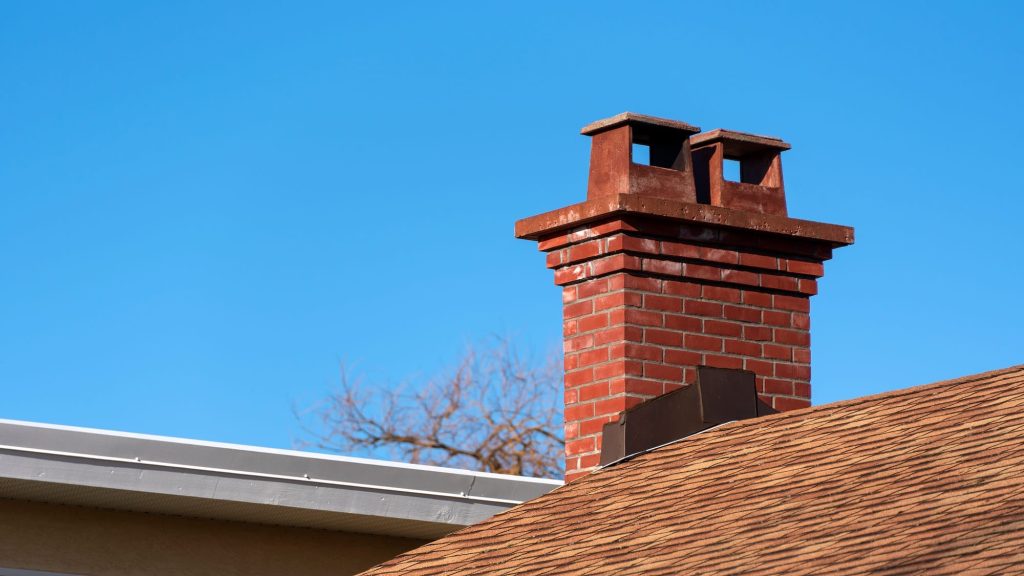
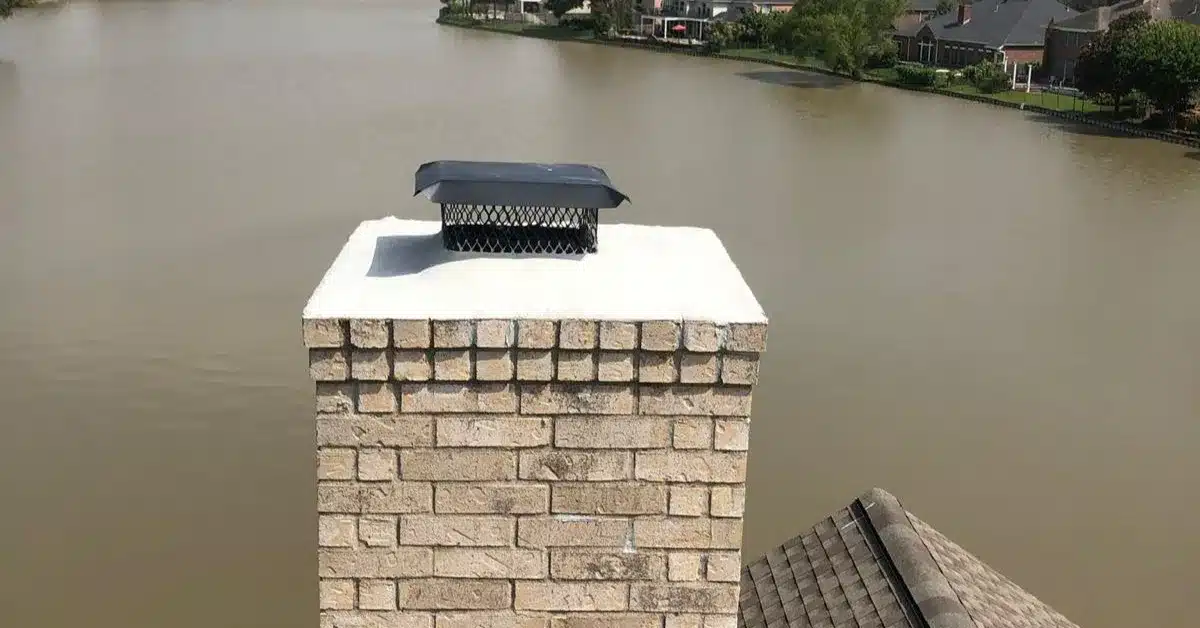
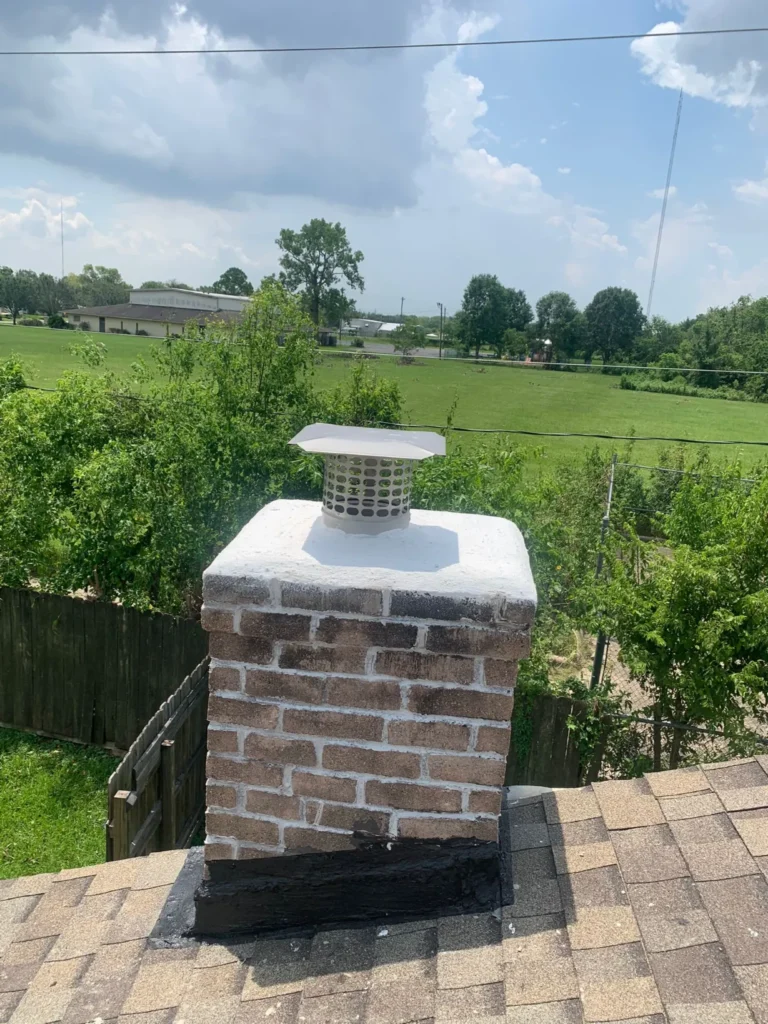
The chimney crown is your fireplace’s first line of defense. It is the concrete slab at the very top of your stack that covers the bricks. When it cracks, water pours straight into your home’s walls.
If you are dealing with a leaking chimney or visible cracks, this guide is the honest truth about how to fix it permanently—so you don’t have to pay for this repair twice.
The "Mortar Mistake": How to Spot a Bad Repair
The #1 reason chimney crown repairs fail is material selection.
Many general contractors will try to patch a cracked crown using leftover mortar from a brick job. This is incorrect. Mortar is porous; it absorbs water like a sponge. When that water heats up (from the sun) or freezes (during our rare Houston freezes), it expands and cracks the mortar instantly.
True Professional Standard: A proper chimney crown repair requires either:
A Full Rebuild: Pouring a new concrete cap with a proper overhang (drip edge) to keep water off the bricks.
Elastomeric Sealant: Applying a specialized, flexible membrane (like CrownSeal) that stretches with the heat rather than cracking.
If someone offers to “slap some mortar/cement” on your cracks cheaply, they aren’t fixing the leak; they are just hiding it for a few months.
Repair vs. Rebuild: Which One Do You Need?
At 832 Chimney Services, we don’t believe in upselling you on a rebuild if a repair will work. Here is how we decide:
Option A: The Waterproof Resurfacing (Repair)
Best for: Hairline cracks or minor surface weathering.
The Process: We scrub the crown clean, tape off the bricks, and trowel on a specialized elastomeric coating. This forms a flexible, waterproof “helmet” over the chimney top that is guaranteed to last for years.
Option B: The Concrete Re-Pour (Rebuild)
Best for: Deep structural cracks, missing chunks of concrete, or crowns that were built flat (without a slope).
The Process: We remove the old, crumbling crown. We build a wooden form around the top and pour fresh concrete reinforced with wire mesh. We ensure it has a slope (to shed water) and an overhang (to stop water from dripping onto the bricks).
Why This is Not a DIY Job
I love a good DIY project, but chimney crowns are dangerous for two reasons:
Height: You are working at the highest, most exposed point of your roof.
Chemistry: Store-bought “concrete patch” tubes from Home Depot are not designed for the extreme heat expansion a chimney experiences.
Our Google Reviews
Stop the Water Damage Before It Spreads
A cracked crown is a ticking clock. Every rainstorm sends more water into your masonry, rotting the wood framing behind it.
Don’t guess with your home’s structural integrity. At 832 Home Service, we provide high-resolution photo inspections so you can see exactly what is happening up there before you spend a dime.
Need an honest assessment? Call us at (832) 662-3437 or use the form below to book your inspection. Let’s seal it right, once and for all.
Why Houston Weather Destroys Chimney Crowns
You might think, “We don’t get enough snow in Houston to worry about chimney crowns.” But here is the reality: It’s not the snow; it’s the humidity and the sudden freezes.
In the Greater Houston area, we deal with porous masonry absorbing high humidity and heavy rain year-round. When we get those rare but intense freezes (like the 2021 freeze), the water trapped inside that porous concrete expands rapidly.
If your crown has hairline cracks or was repaired with standard mortar, that expansion acts like a wedge, shattering the cap overnight. We are still repairing damage from previous winter storms because the original builders used materials that couldn’t handle the thermal shock of a Texas summer transitioning to a flash freeze.
Frequently Asked Questions
How long does a chimney crown repair last?
A simple mortar patch may only last 1-2 years. However, a professional elastomeric resurfacing can last 10-15 years, and a full concrete rebuild with proper overhangs should last 20-30 years or more.
What is the difference between a chimney cap and a chimney crown?
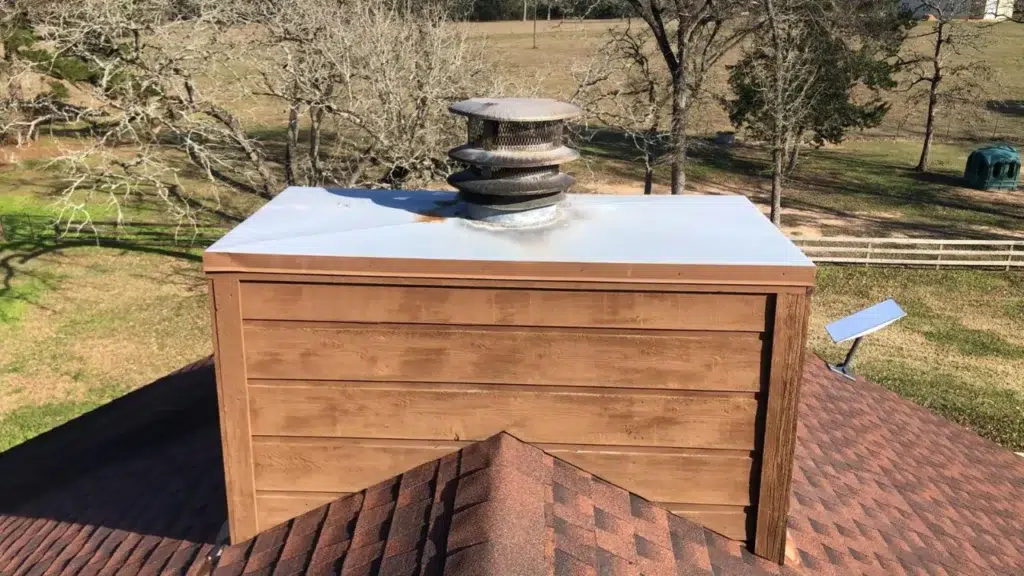
The crown is the concrete slab that covers the top of the brick structure. The cap is the metal cage (usually steel or copper) installed over the flue opening to keep critters and rain out. You need both to be in good condition.
Does homeowners insurance cover chimney crown repair?
Usually, no. Insurance typically covers sudden damage (like a tree falling on it or a lightning strike). It rarely covers maintenance issues like cracking due to age or weathering. However, fixing it now prevents water damage to your interior, which is much more expensive.