

Most homeowners light a fire without thinking about what happens behind the scenes with their chimney parts. That cozy warmth depends on several components working together perfectly. I have spent over 15 years inspecting fireplace systems across the Houston area. During that time, I have seen small problems turn into expensive repairs, simply because folks did not know what to look for. Understanding your chimney parts is the first step toward keeping your family safe. Each component plays a specific role in venting smoke, managing heat, and preventing carbon monoxide buildup inside your home.

What Makes Your Chimney Parts Work as a System
Think of your fireplace setup like a car engine. Every piece needs the others to function correctly. The flue liner channels hot gases upward. The cap keeps rain and critters out. The damper controls airflow, while the crown seals everything from above. When one component fails, the whole system suffers.
I remember a customer in Katy who complained about a smoky living room. After inspection, I found a cracked liner and a missing cap. Moisture had seeped in for years, damaging the interior masonry. Knowing how your chimney parts interact helps you spot trouble early, before small issues become major headaches.
Our Google Reviews
1. The Chimney Flue Liner - Your Inner Shield Against Heat
The flue liner is essentially a protective sleeve inside your venting system. It guards your home against heat transfer and corrosive byproducts. Without a proper liner, combustion gases can seep through masonry cracks and reach combustible materials in your walls.
Most Texas homes use clay tile liners because they handle high temperatures well. Stainless steel liners are another solid option, especially for gas appliances. I always recommend checking for cracks or deterioration during annual inspections. A damaged liner can allow carbon monoxide into your living spaces. That is a risk no homeowner should take lightly.
2. The Chimney Cap - Blocking Weather, Animals, and Debris
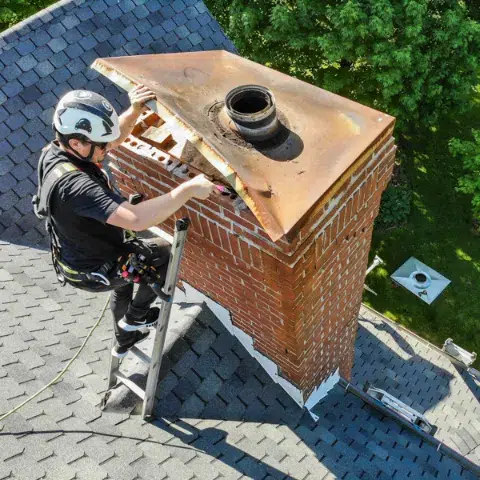
Sitting right on top, the cap serves as your first defense against the elements. It keeps rain, leaves, and animals from entering the flue. Here in Texas, I have pulled out birds, squirrels, and even raccoons from uncapped systems. These blockages create dangerous situations, including smoke backup and fire hazards.
A quality cap also features spark arrestor mesh. This mesh catches embers before they land on your roof. I always tell customers to check their cap after major storms. High winds can knock them loose or damage the mesh. Replacing a cap costs far less than repairing water damage inside your masonry structure.
3. The Damper - Your Airflow Control Valve
The damper sits just above the firebox and controls how much air flows through your system. When open, it lets smoke escape during a fire. When closed, it prevents heated or cooled air from escaping your home. A stuck or rusted damper wastes energy and money.
I have seen homeowners crank up their AC while a broken damper lets cool air escape right up the flue. Most traditional dampers are made of cast iron and sit at throat level. Newer top-sealing dampers mount at the flue opening and provide better insulation. Either way, test your damper twice a year. It should open and close smoothly without resistance.
4. The Crown - The Concrete Guard on Top
The crown is a concrete slab that covers the top of masonry structures. It slopes outward to direct water away from the flue opening. Without a solid crown, rain seeps into the brickwork and causes freeze-thaw damage during cold snaps.
Cracks in the crown are common, especially in older Texas homes. I use a waterproof sealant on minor cracks during routine maintenance. Larger damage requires professional repair or full replacement. A crumbling crown leads to spalling bricks, liner damage, and costly structural repairs. Inspect yours at least once a year, ideally before winter.
5. The Firebox - Where Flames Come to Life
The firebox is where you actually build your fires in your chimney parts. It is lined with fire-resistant firebrick designed to handle extreme temperatures. Over time, these bricks crack or crumble from repeated heating and cooling cycles.
I check the firebox walls during every inspection. Damaged firebrick exposes the underlying masonry to dangerous heat levels. The smoke chamber just above funnels combustion gases into the flue. Both areas collect creosote buildup, which is highly flammable. Regular cleaning prevents creosote from igniting inside your system. A clean firebox means safer, more efficient burns.
Texas Regulations for Chimney Parts and Fireplace Safety
Texas follows the International Residential Code (IRC) for fireplace installations. Many local jurisdictions also reference NFPA 211 guidelines. Understanding these codes helps you stay compliant and avoid costly violations.
- Texas IRC Chapter 10 – Requires minimum footing depth, proper damper placement, and clay chimney liner installation for masonry systems. Consequences: failed inspections and safety hazards.
- NFPA 211 – Establishes clearance distances between flue surfaces and combustible materials, plus annual inspection requirements. Consequences: fire risk and carbon monoxide exposure.
- Local Permit Requirements – Most Texas cities require permits for new installations and major repairs. Contact your local building department before starting work.
Non-compliance can lead to insurance claim denials and serious safety risks. Always verify current codes with your local authorities.
Why Understanding Chimney Parts Keeps Your Family Safe
Every component in your fireplace system exists for a reason. The liner protects your walls. The cap blocks intruders. The damper saves energy. The crown sheds water. The firebox contains heat. When these chimney system parts work together, you get safe, efficient fires.
At our Houston company, we have spent 15 years preventing house fires and helping families breathe cleaner air by using amazing chimney parts. We are locally owned, certified, and available around the clock for emergencies. Regular inspections catch problems before they become disasters. Call us today to schedule your annual checkup. Your family deserves that peace of mind.
FAQ
How often should I have my chimney parts inspected?
The National Fire Protection Association recommends annual inspections for all fireplace systems. Even if you do not use your fireplace often, moisture, animals, and debris can cause hidden damage. A certified technician can spot cracks, blockages, and creosote buildup before they become dangerous. Most inspections take about an hour and provide peace of mind throughout the heating season.
Which chimney parts are most likely to need replacement first?
The cap and crown typically show wear first because they face direct weather exposure. Dampers also corrode over time, especially in humid climates like Texas. Flue liners can last decades but crack from repeated heating cycles. During annual inspections, technicians prioritize these vulnerable components. Catching damage early saves money and prevents dangerous situations.
Can I inspect my chimney parts myself?
You can perform basic visual checks from ground level and inside the firebox. Look for cracked firebricks, rust on the damper, and debris in the flue opening. However, a professional inspection with specialized cameras reveals hidden damage you cannot see. I recommend DIY checks between professional visits, but never skip your annual certified inspection
What chimney parts are affected by water damage?
Water impacts nearly every component in your system. The crown cracks from freeze-thaw cycles. The cap rusts if made from low-quality materials. The liner deteriorates when moisture mixes with combustion byproducts. Masonry absorbs water and spalls over time. Waterproofing treatments and proper cap installation are your best defenses against moisture intrusion
How do I know if my chimney parts meet Texas building codes?
A Level 2 inspection by a certified technician will verify code compliance. They check clearances from combustible materials, liner condition, and proper damper function. Texas follows the International Residential Code and references NFPA 211 standards. If you are buying a home or making changes to your system, always request this detailed inspection first.
What chimney parts should I check after a storm?
Start with the cap, since high winds can dislodge or damage it completely. Inspect the crown for new cracks caused by flying debris. Check the flue opening for leaves, branches, or animal nests that blew inside. Inside, test your damper to ensure it still moves freely. Storm damage often goes unnoticed until the next fire reveals problems.