
Gas vs. Wood Fireplace in Houston, what each option actually costs to own and maintain.
The right fireplace depends on how often you actually burn, what venting you already have, and your local air quality rules.
Houston homes can support both gas and wood-burning fireplaces. But “can support” and “should install” are different questions. Gas fireplaces, units connected to a natural gas or propane supply, offer low-effort operation and year-round use. Wood-burning fireplaces require a masonry or prefabricated flue system (a lined passageway that channels smoke out of the home), real firewood, and annual chimney maintenance. This guide lays out how those differences play out in a Gulf Coast home.
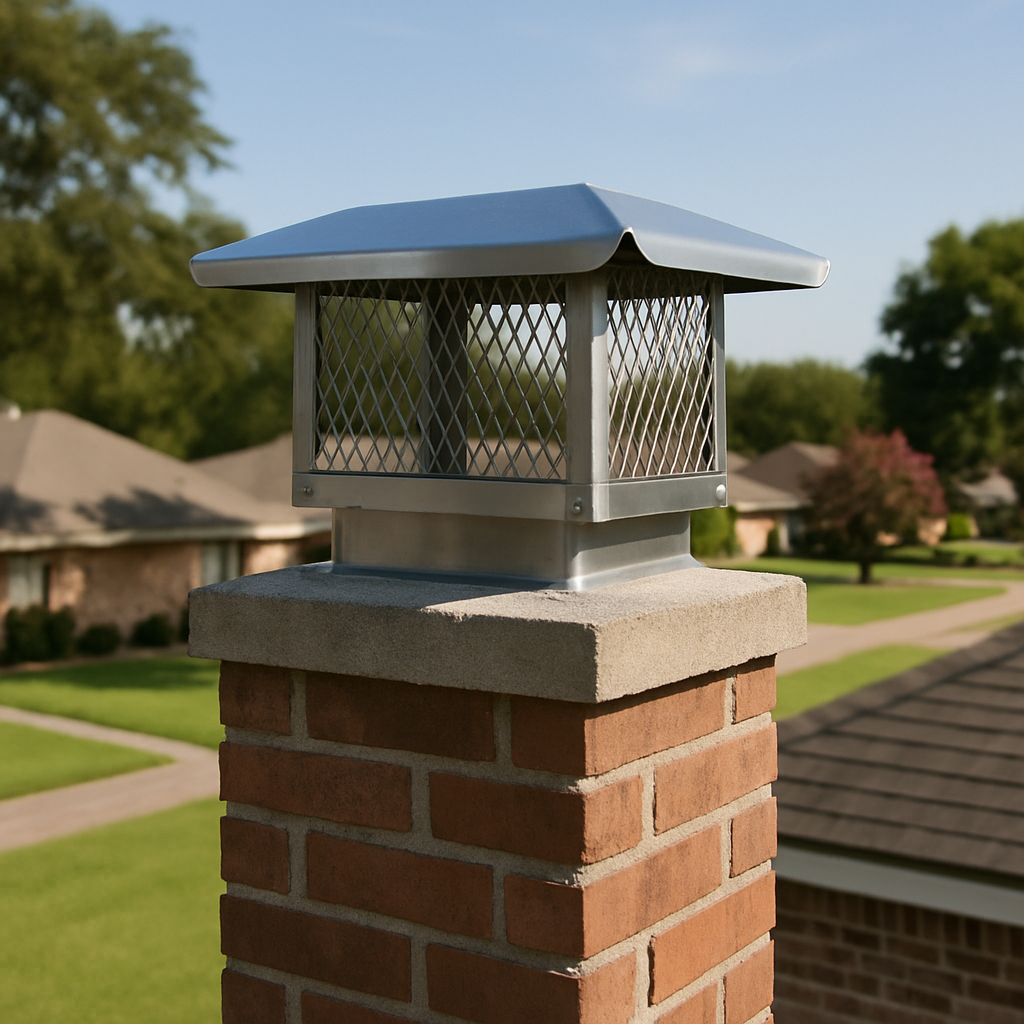
After 14 years working on chimneys across the Houston area, here’s what the service records actually show.
I’m one of the service leads at 832 Home Service. We’ve been working on both gas and wood-burning systems since 2010, from Galveston to Huntsville, from Beaumont to Katy. Wood-burning fireplaces in Houston get neglected. Not because homeowners don’t care, but because the burning season is so short. It’s easy to forget about a chimney used in January when July comes around. That pattern leads to creosote buildup, deteriorating crowns, and moisture damage that compounds over humid summer months.
Gas fireplaces get neglected too, just differently. The assumption is that clean-burning gas means nothing needs checking. Thermocouple failure, burner port clogging, and vent separation are all things we catch in annual gas inspections that homeowners had no idea were happening.
The honest take: if you burn fewer than 15 times a year and value convenience, gas is the clearer fit. If real wood fires are something your family uses regularly and enjoys maintaining, a properly built and annually serviced wood system is worth it in Houston. Neither is wrong. Both need professional attention every year.
Operational cost, maintenance load, and venting requirements compared side by side.
“In Houston, the average homeowner burns a fireplace fewer than 60 days per year, and that changes everything.”
Most U.S. fireplace guides assume cold climates with five-month heating seasons. Houston doesn’t work that way. The Houston area averages only about 30 freeze-days per year. Actual burning weather, nights below 45°F, runs from roughly late November through early February.
Here’s what most homeowners don’t realize about that short season: fixed maintenance costs don’t shrink with it.
A wood-burning fireplace requires a Level 1 chimney inspection (a visual check of accessible flue surfaces and components) and a cleaning every burn season, whether you burned 10 times or 80. That’s a baseline cost that applies regardless of use. A gas fireplace requires an annual gas fireplace inspection (a check of burner function, gas connections, ignition systems, and venting) to keep it operating safely and efficiently.
Houston’s humidity also matters. Clay-heavy Gulf Coast soil causes foundation movement that can stress masonry chimneys. Salt air from Galveston Bay accelerates mortar deterioration in homes within 30 miles of the coast. Neither wood nor gas is immune to those forces, but they create different failure points for each system.
The Houston-Galveston Area Council (H-GAC) also issues Burn Bans, air quality alerts that restrict or prohibit wood burning in the region. These alerts occur several times per year during poor air quality periods. Gas fireplaces are not subject to burn bans.
Wood-burning fireplaces require either a full masonry system (firebox, smoke chamber, flue, chimney crown, and cap) or a factory-built prefabricated system (a steel firebox and insulated metal flue designed to meet UL listing standards). Full masonry installations are structurally significant and carry higher upfront costs. Prefab systems install faster at lower cost but have a finite service life, typically 20-30 years.
Gas fireplaces fall into three main types:
Gas inserts are especially popular in Houston because many older homes already have a wood-burning fireplace the owner rarely uses. Converting it preserves the aesthetic while reducing maintenance load.
Natural gas prices in Texas are among the lowest in the country. The Houston area average for natural gas consistently runs well below the national average. Running a gas fireplace for a 3-4 hour evening session typically costs between $0.50 and $2.00 depending on BTU output and current gas rates.
Firewood in the Houston area carries a higher cost per BTU than many homeowners expect. Locally sourced hardwood, the only kind worth burning for heat, runs $250-$400 per cord depending on species and delivery. In Houston’s short burn season, most households burn less than half a cord per year. Wood is rarely the lower-cost option in this climate.
Wood-burning fireplaces produce creosote, a tar-like combustion byproduct that deposits on flue walls during burning. In Houston’s warm, humid climate, creosote can soften and reactivate in summer heat, sometimes generating odor even when the fireplace hasn’t been used in months. Annual cleaning is non-negotiable.
Gas fireplaces produce no creosote. They still require annual inspection of burner ports, ignition systems, thermocouple function, and vent connections to operate safely.
| Factor | Wood-Burning | Gas (Direct-Vent) | Gas (Ventless) |
|---|---|---|---|
| Chimney/Flue Required | Yes | No (uses pipe) | No |
| Burn Ban Subject | Yes | No | No |
| Annual Cleaning | Yes | No | No |
| Annual Inspection | Yes | Yes | Yes |
| Creosote Risk | Yes | No | No |
| Humidity Tolerance | Moderate | High | High |
This is a situation we see regularly across Houston, Katy, Sugar Land, and Pearland. A home built between 1975 and 2000 has an original prefab wood-burning fireplace. The family burns it two or three times a year, mostly for atmosphere. The flue hasn't been inspected in years. For this homeowner, a gas insert is often the right move. It installs into the existing firebox, uses a new liner run through the existing flue, and converts the fireplace to something that gets used regularly. Maintenance drops. Burn bans no longer apply.
In new construction across The Woodlands, Fulshear, and Conroe, homeowners are choosing at the design stage. Direct-vent gas fireplaces are a strong fit for new builds, they don't require a full masonry chimney, they meet modern energy efficiency expectations, and they're compatible with smart home integration. Some buyers in custom home builds specifically want real wood fires. For them, a full masonry system built to current standards, with a proper liner, smoke chamber, and crown, delivers that experience.
Homeowners in League City, Seabrook, Galveston, and Webster face accelerated masonry wear. Salt-air environments degrade mortar joints and brick faster than inland locations. A wood-burning masonry system in this zone requires more frequent inspection and maintenance. A direct-vent gas system with a stainless steel liner and galvanized or copper cap components holds up well over time in coastal conditions.
A professional assessment helps when you’re choosing, converting, or inheriting a fireplace system.
Choosing between gas and wood gets complicated when a home already has a system in place. Before committing to conversion or installation, a Level 2 chimney inspection, a camera-assisted assessment of the entire flue interior, tells you exactly what condition the existing system is in. That matters whether you’re staying with wood or switching to gas.
A professional evaluation also makes sense if:
Other work Houston homeowners commonly pair with this service.
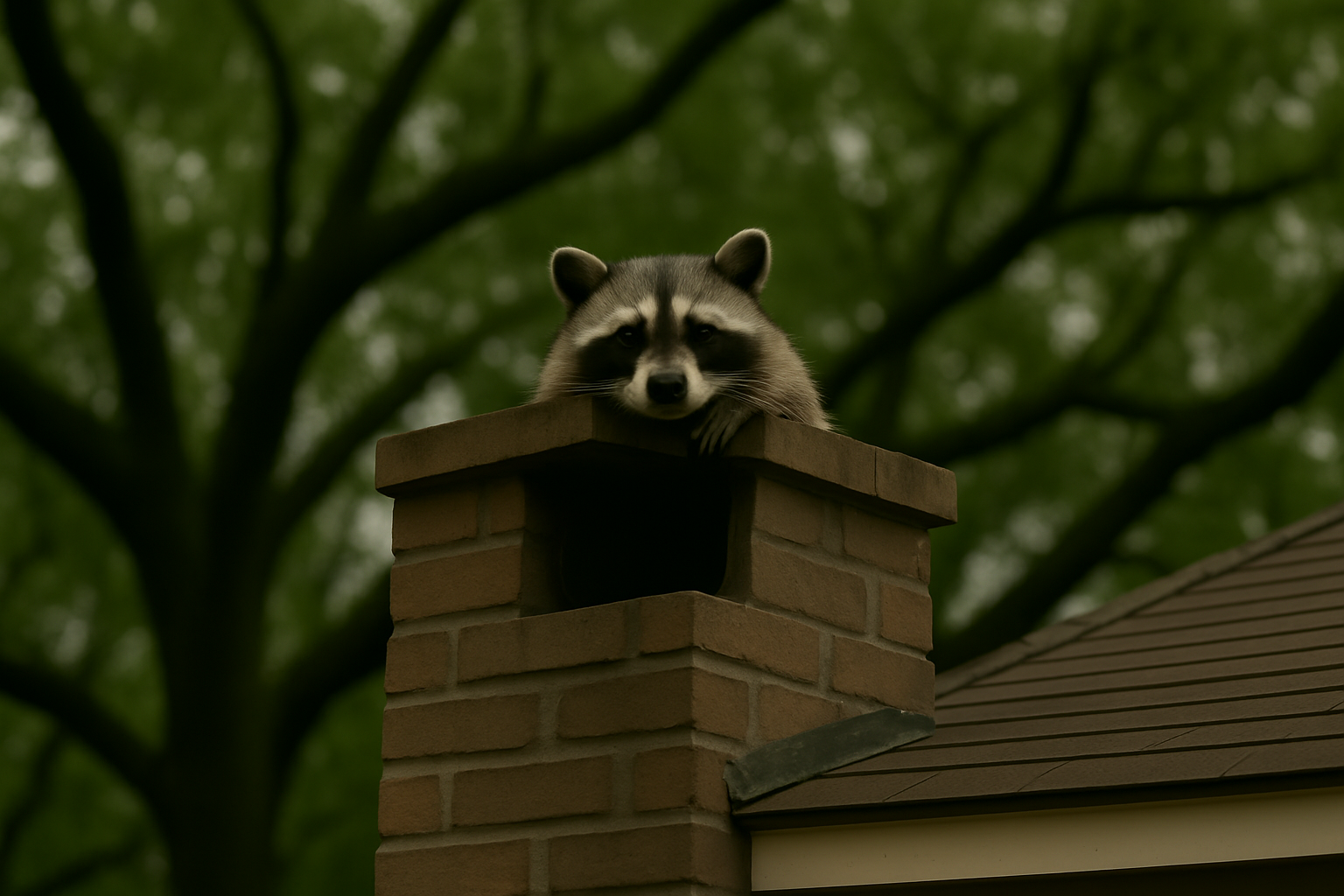
Convert a wood firebox to gas logs.
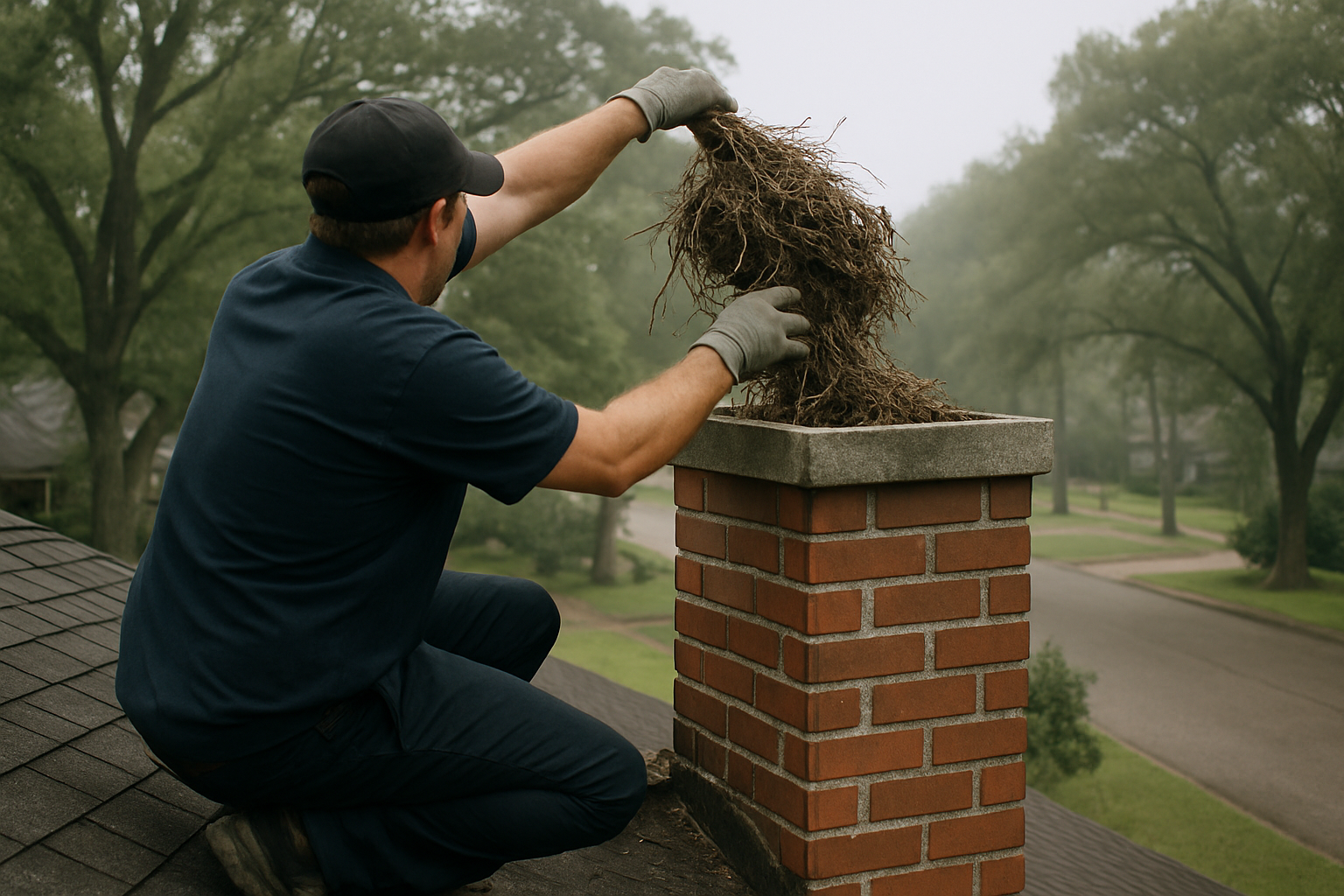
Adding or replacing a fireplace entirely.

Keep an existing gas unit safe.
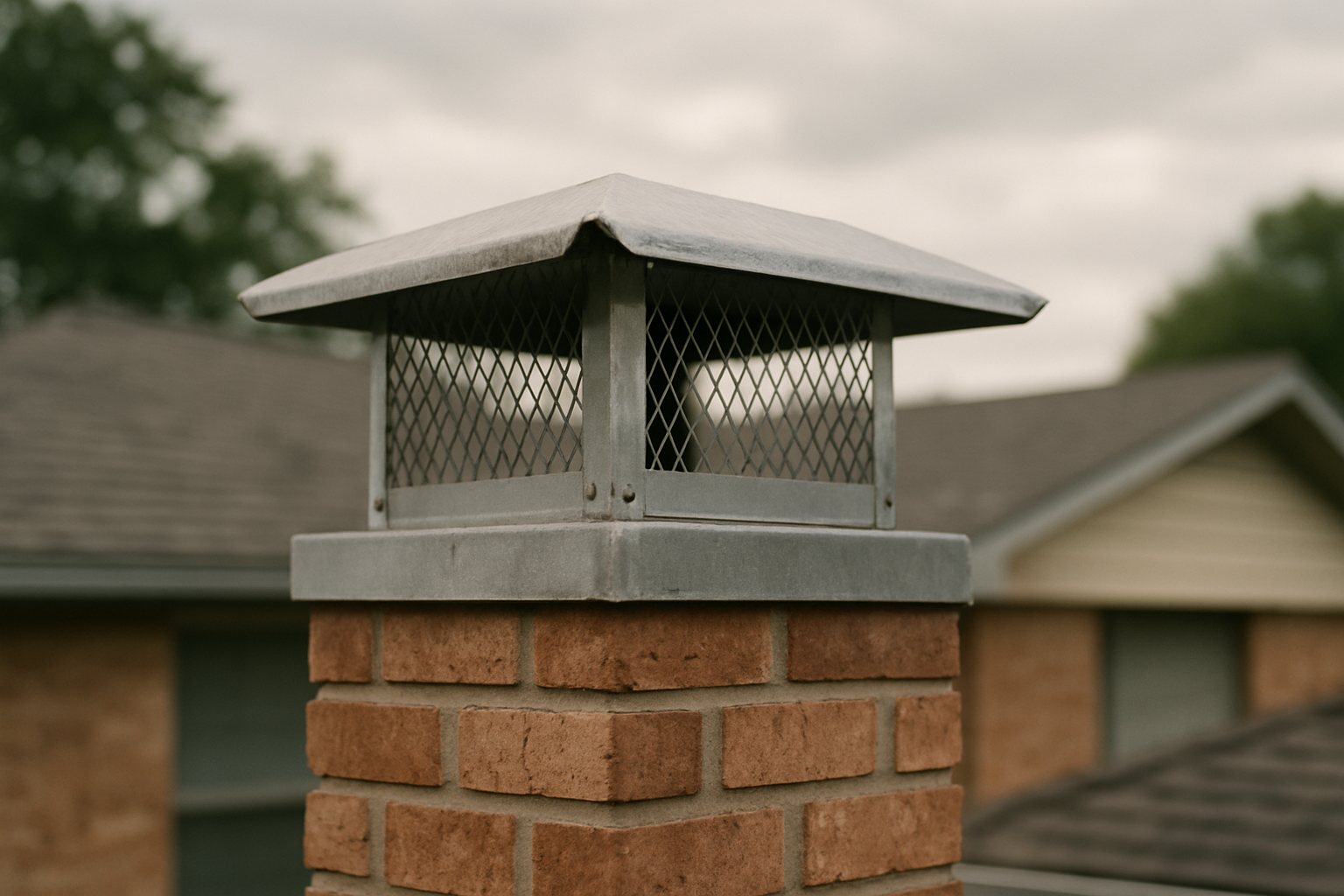
Wood burning means regular sweeping.
832 Home Service responds to emergency furnace flue cleaning calls throughout the Greater Houston area.
Inner-ring Houston neighborhoods, particularly those with post-1950 shared masonry flue construction, are a primary focus for same-day emergency furnace flue calls at the start of heating season.
Contact our team today for a free consultation. Tell us what happened, storm date, what you can see, your address, and we’ll schedule your post-storm assessment.
Call (832) 662-3437 or email in**@****************es.com
WhatsApp us
Tell us what’s going on and we’ll get back to you, often the same day.
Prefer to talk? (832) 662-3437