Chimney Odor Sealing in Houston, TX
Single-coat surface sealing misses what's absorbed inside the masonry. Our two-pass method reaches deeper.
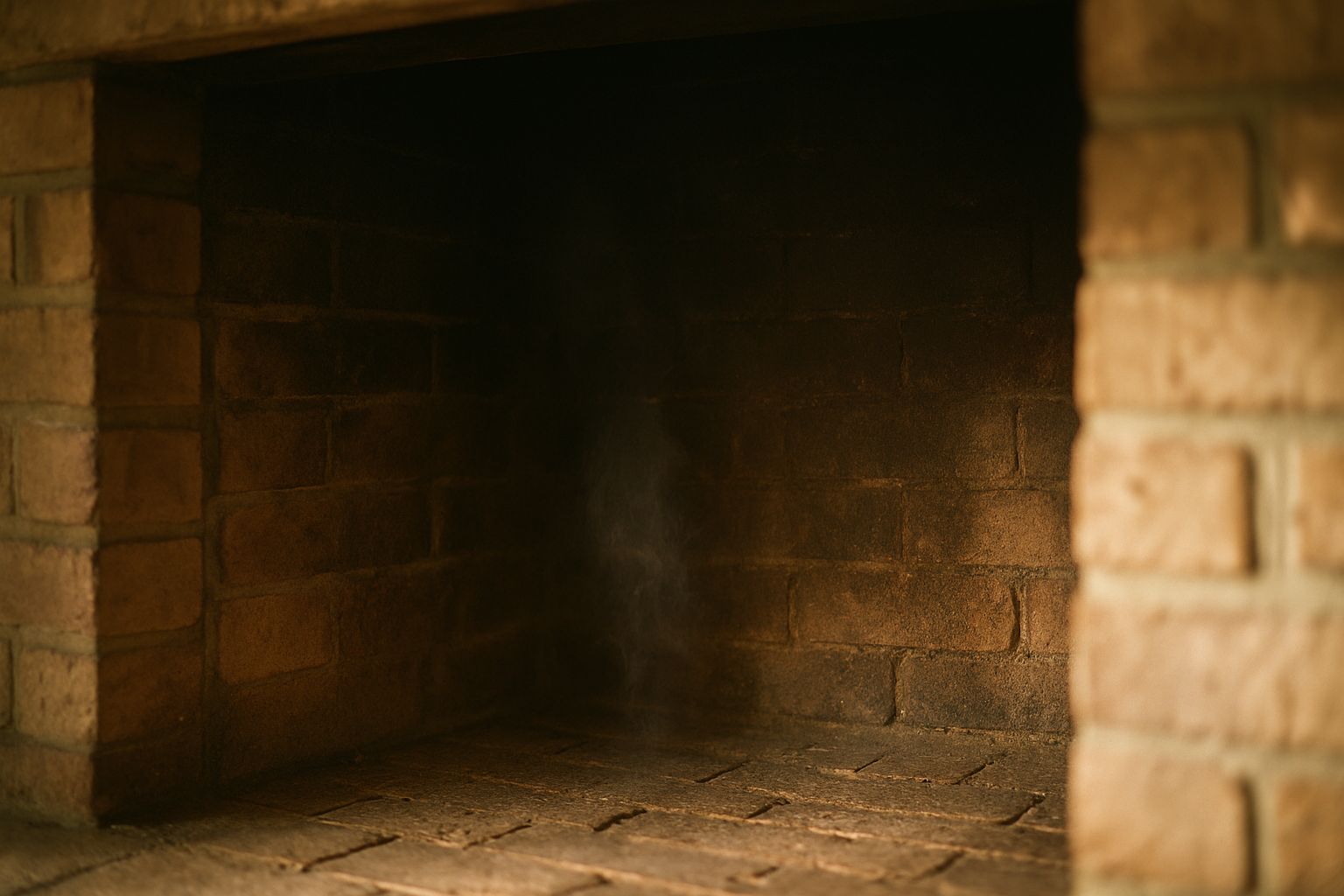
Chimney Odor Sealing in Houston, TX
The cleaning is done. The technician left. The odor is still there. When absorbed creosote off-gases through clean masonry, surface treatments cannot reach it. Our two-pass odor sealer goes past the surface and into the pore structure where the smell actually lives.
2-Pass
Penetrating + surface-binding method
48hr
Minimum post-cleaning dry window
Two-Pass Odor Sealer Applied
Penetrating first coat, surface-binding second coat after cure. Here is how our documented method works and why single-coat sealing falls short.
Why Timing Matters in Houston
Houston's humidity means the post-cleaning dry window matters, and 48 to 72 hours is the minimum before sealer goes on. Brick and mortar hold moisture. After cleaning, residual water sits inside the pore structure. If sealer goes on before that moisture fully evaporates, the pore walls are coated wet, and the penetrating first coat cannot bond correctly with a saturated substrate.
Built For Aged Clay Brick
We serve Midtown, EaDo, and Second Ward, inner-city Houston communities where homes built between the 1940s and 1970s have original clay brick with decades of absorbed creosote. That clay brick is dense and porous. Absorption depth in those homes is not shallow. The 48-hour window is especially important there.
Odor Sealer Applied After a 48-Hour Dry Window
Scheduled around Houston's weather. Timing the application around our subtropical climate is not optional. In Houston's humidity, especially from May through September, 48 hours is the floor. We schedule sealing appointments with the post-cleaning sealing window built in. That scheduling detail is not an inconvenience. It is what makes pore structure encapsulation work.
What the Two-Pass Method Reached That a Single Coat Missed
Field experience on Houston's aged clay brick, since 2010, is why two-pass application became our standard.
A homeowner had a masonry sealer applied after a chimney cleaning. The odor returned within six weeks. The firebox still carried a distinct creosote smell on warm days, with no recent fire use. Thermal off-gassing was pulling compounds out of the brick through the middle of summer. The prior sealer had formed a surface film. It had not penetrated. A surface film on aged clay brick cracks under thermal cycling.
We removed the failed surface application. We allowed 72 hours since September humidity ran above 80 percent. Then we applied the penetrating first coat and let it cure fully before the second coat went on. The homeowner confirmed no odor return through the following summer. That outcome is why this method is our standard, not our exception.
Creosote absorption depth, the distance creosote vapors have penetrated into the firebox brick and mortar over the chimney's service life, determines whether a surface application alone will hold. In homes built before 1975 with original clay brick, that depth is rarely shallow. A sealer that only reaches the outer surface layer leaves the absorbed zone untouched.
When Animal Waste Is the Odor Source, Not Creosote
Animal waste masonry absorption, the penetration of nitrogen-rich compounds from bird droppings or nesting material into chimney masonry, produces a distinct odor profile. It reads as ammonia-adjacent. It persists after surface sanitizing because the nitrogen compounds are inside the pore walls, not on the surface.
Some homeowners assume animal-sourced odor is simpler to address than creosote. In practice, it requires the same encapsulation depth. If the chimney has had both a creosote history and an animal occupancy, common in older Houston homes with open-topped flues, we document both absorption profiles before selecting the first coat. One source does not cancel the other.
Seal the Masonry That Has Absorbed Creosote, Stop the Off-Gassing at the Source
Chimney odor sealing is the application of an odor-encapsulating sealer, a compound formulated to bind with creosote-derived organics and animal waste residues inside masonry pores, stopping them from releasing into moving air.
The cleaning is done. The technician left. The odor is still there.
That situation has a specific explanation. Cleaning removes surface deposits. It cannot reach what has migrated into the pore structure of the brick and mortar itself. Creosote vapors travel into masonry over years of use. They absorb at depth. When Houston's summer heat and A/C-driven air movement pull air down the flue, those absorbed compounds off-gas from inside the brick, not from the surface.
Sealing interrupts that cycle. An odor-encapsulating sealer carried into the pore structure binds with the absorbed compounds and prevents them from volatilizing when air moves through the masonry. That is what chimney odor sealing Houston homeowners need after cleaning has already been completed correctly.
Our Sealing Standards: What Goes On, In What Order, and Why
Every chimney odor sealing job at 832 Home Service follows the same documented sequence, no shortcuts on material selection or cure timing.
Moisture content confirmed before application. We do not apply sealer to masonry that reads above threshold on a moisture meter. Wet pore walls prevent correct bonding of the penetrating first coat.
Odor source identified before product selection. Creosote absorption and animal waste absorption both require odor-encapsulating sealer, not a standard water repellent or general masonry sealer, which block liquid water but do not address volatile organic compounds.
Penetrating first coat applied to open, dry pores. The first coat carries the encapsulant into the pore structure. It is not a surface treatment.
Sealer cure time respected before second coat. The period required for the first coat to fully bond must complete before the surface-binding second coat goes on. Applying the second coat over an uncured first coat traps solvents inside, which re-emit during cure and defeat the encapsulation.
Second coat applied as a surface-binding layer. This coat closes the surface over the already-encapsulated pore structure. It is not a substitute for the first coat. It is the complement to it.
Post-application documentation provided. Application date, product used, cure schedule, and next recommended assessment interval, all delivered in writing.
How We Execute a Chimney Odor Sealing Service
The two-pass odor sealing process follows a fixed sequence, and each phase has a confirmed outcome before the next begins.
01
Diagnostics
We start with a firebox and lower flue assessment before any product is selected. We confirm the odor source category, creosote, animal waste, or combined. We test masonry moisture content and assess surface condition. We measure absorption rate with a water droplet test. If it absorbs immediately, the pore structure is open. If it beads, a prior treatment blocks penetration and must be removed before scheduling.
02
Implementation
The first coat, the penetrating odor-encapsulating sealer, goes on dry, open masonry. We apply it in sufficient volume to carry the compound into the pore structure, not just coat the surface. We document application time and cure window. In Houston's summer heat, cure times shift, so we account for ambient temperature and humidity. After confirmed cure, the surface-binding second coat is applied.
03
Post-Service Testing
After the second coat cures, we perform a final moisture and surface integrity check. We document the completed application, the products used, and the cure timeline. We provide a next-assessment interval recommendation, typically annual for heavily absorbed masonry in pre-1975 clay brick, longer for newer construction with lower absorption depth.
Areas We Serve
832 Home Service applies chimney odor sealing Houston-wide and across the greater region.
We serve Houston, Pasadena, Bellaire, West University Place, Stafford, Missouri City, Pearland, Friendswood, Deer Park, La Porte, Humble, Katy, Sugar Land, Baytown, League City, Spring, Cypress, Tomball, The Woodlands, Rosenberg, Richmond, Webster, Clear Lake City, Alvin, Channelview, Conroe, Manvel, Seabrook, Galveston, Texas City, Lake Jackson, Angleton, Clute, Freeport, Beaumont, Huntsville, Livingston, El Campo, Wharton, Bay City, Montgomery, Willis, Dayton, Liberty, Splendora, Fulshear, Brookshire, and Sealy.
Frequently Asked Questions
My chimney was already cleaned, so why does it still smell?
Cleaning removes surface deposits, but it cannot reach compounds that have migrated deep into the pore structure of the brick and mortar. Those absorbed creosote compounds off-gas from inside the masonry when air moves through the flue. Sealing encapsulates them at depth.
Why does the two-pass method work better than a single coat?
A single surface coat on aged clay brick forms a film that cracks under thermal cycling. When it cracks, the absorbed compounds beneath are back in contact with moving air. Our penetrating first coat carries the encapsulant into the pore structure, and the second coat binds the surface over that already-sealed zone.
Why does the dry window take 48 hours or more in Houston?
Houston's subtropical humidity, especially May through September, keeps residual moisture inside the masonry after cleaning. Sealer applied to wet pore walls cannot bond correctly. 48 to 72 hours is the minimum needed for the pore structure to open and dry.
Can you seal odor caused by animals instead of creosote?
Yes. Animal waste masonry absorption produces an ammonia-adjacent odor from nitrogen-rich compounds inside the pore walls. It requires the same encapsulation depth as creosote. We confirm the odor source first, and if both are present we document each absorption profile before selecting the first coat.
How often should I have the sealing reassessed?
Typically annual for heavily absorbed masonry in pre-1975 clay brick, and longer intervals for newer construction with lower absorption depth. We provide a specific next-assessment recommendation in writing after your service.
Related Services
Other work Houston homeowners commonly pair with this service.
Find and remove the source of the smell first.
Learn more →For smells that keep coming back every season.
Learn more →The humidity link most Houston owners miss.
Learn more →Creosote is the most common odor source.
Learn more →Ready to Stop the Odor for Good?
Chimney odor sealing is the step after cleaning, and it is the step that makes the result permanent. If your chimney was cleaned and the smell returned, the masonry is the source. Contact our team...