
Houston winters may be fleeting, but the risks that come with a neglected chimney are a year-round concern. Chimney cleaning Houston is essential for keeping your fireplace safe, efficient, and ready for winter. Whether you live in Houston, Sugar Land, or The Woodlands, regular chimney inspections and professional cleaning help prevent creosote buildup, chimney fires, and costly repairs. This guide covers everything you need to know, from scheduling your first professional chimney cleaning to seasonal maintenance that protects your home and family.
Step 1: Quick Start: How to Get Your Chimney Cleaned Safely This Season
Annual chimney cleaning is crucial for every Houston homeowner – whether you use your fireplace a handful of times a week or just on special occasions. Regular cleaning stops creosote buildup from getting out of hand, reduces the chances of a chimney fire breaking out, and catches potential problems before they turn into costly repair jobs. The Chimney Safety Institute of America recommends that homeowners schedule annual inspections for every home with a fireplace or stove.
Here’s what to do next:
- Look for local chimney services in the Houston area – Sugar Land, The Woodlands, and surrounding areas alike. Check for firms that serve your neighborhood and have experience with chimney sweeps.
- Give them a call and ask if they can do inspections and cleaning on the same visit. Also, ask if they offer dryer vent services – bundling these can save you money and cover two major fire hazards at once.
- Get at least two written estimates – for a standard cleaning in Houston, you can expect to pay anywhere from $150 to $350, depending on the condition of your chimney and the work needed. National averages are slightly lower, ranging from $100 to $130. However, costs can vary based on the services required.
What happens on the day of the cleaning:
- The technician arrives on site, shows you their credentials, and confirms what work will be done.
- They’ll drop down some cloths to protect your floors and furniture, and set up a HEPA vacuum in the firebox to catch any mess.
- The technician then works their magic, cleaning the chimney from the firebox all the way up to the top, including the flue and the chimney cap.
- After the job is done, they’ll leave you with a detailed safety report complete with photos of your chimney, so you can see exactly what they found.
When hiring a chimney sweep, make sure they’re CSIA certified (or equivalent) and insured. A standard job takes anywhere from 30 to 60 minutes, but if you’re getting a Level I inspection done and there’s no major work to be done, expect the appointment to last longer – around 45 to 90 minutes.
Why Chimney Cleaning Matters: Keeping Your Home, Family & Peace of Mind Safe & Happy
Every time you light a fire in your fireplace, smoke carries all those unburnt gases and particles up the flue. As they cool down, they condense into creosote and soot, which end up on the flue walls. Over a typical Houston heating season – that’s November to February – this gunk just builds up and up. And if you don’t do anything about it, those particles can eventually block your entire flue.
Put simply, chimney cleaning is a matter of life and death. Left unchecked, your chimney poses a serious risk of fires, which is the main reason we recommend annual inspections. Creosote can start burning at anywhere from 451 to 1,000 degrees, depending on its thickness and stage of formation. And it gets worse – neglecting your chimney can lead to carbon monoxide poisoning, especially if leaves, birds or broken brick are blocking the flue and pushing smoke back into the house.
There’s good news, though – having your flue cleaned regularly saves you in the long run:
- Your draft will be stronger, making it easier to get your fire started and a lot less smoke will leak into your living room.
- Your combustion will be more efficient, too – you get more heat out of the same amount of wood.
- And your firebox stays cleaner, meaning less glass fog and less mess to clean up.
Inspections can also prevent massive repair jobs in the future – one Houston homeowner to two- you’ll be saving a small fortune compared to if you waited for a chimney fire or water damage to strike – repairs that can cost anywhere from $450 to $6,400
How Does a Chimney Get Cleaned? A Step-by-Step Process
Modern chimney cleaning is a tidy job – and a professional one. They use special equipment to keep soot and debris contained – rotary brushes, flexible rods, and HEPA vacuums that suck up every last speck.
What happens on the inside:
- The technician drops down some cloths to protect your floors and furniture, and maybe seals the firebox opening to keep negative pressure in place.
- They then run a brush through the flue (which could be from the bottom or top of the chimney, depending on the design) to scrub away all that gunk. If you have stage 2 or 3 creosote buildup, they might need to bring in some rotary tools or chemical modifiers to get the job done.
- The firebox, smoke chamber, and damper all get a good cleaning, too – no ash or debris will be left behind.
The exterior work:
- The technician will come out on the roof to inspect the masonry, the flashing, the crown, and the chimney cap.
- They’ll clear out any debris, leaves, or obstructions from the top.
- And make sure your venting is working properly to ensure clear airflow.
A reputable chimney service will document their findings with photos or video and leave you a written report after the inspection is complete. They’ll leave no mess behind, take away all the debris, and leave you with a clear draft before they head out the door. The standard rule of thumb: At least one full inspection per year & chimney cleaning when the creosote or soot buildup gets to be 1/8 inch or more. It doesn’t matter how often you use your fireplace; chimney sweeps are recommended at least once a year. The CSIA advises doing annual chimney inspections as a bare minimum.
Usage does indeed matter, and cleaning practices vary depending on how much you use your fireplace – which is different for wood-burning and gas fireplaces:
- If you use a wood-burning fireplace 2-3 nights a week each winter, you’ll almost certainly need to get it cleaned every year.
- Gas fireplaces need annual inspections to check for blockages and leaks, even if you don’t have to worry about creosote.
- Even if you don’t use your fireplace that often, you should be evaluating its condition every year – and rental properties with unknown usage are especially high risk.
Warning Signs You’re Way Overdue:
- Strong smoky smells when the fireplace is off, especially on damp days.
- A visible black glaze or tar-like coating inside the flue.
- Smoke’s spilling over into the room while you’re burning a fire.
- Difficulty starting a fire or getting the draft to work right.
- You see bits of tile, stone, or brick fragments coming out of the firebox.
Houston homes have a few extra challenges to deal with. High humidity and heavy rain can get water inside the chimney, which can cause all sorts of problems with rust, mortar decay and creosote adhesion – even with light use. Try to get your chimney serviced in late summer or early fall (August-October) to avoid peak-season delays and catch any potential repair needs early.
Common Chimney Hazards: Creosote, Chimney Fires and Hidden Damage
Chimney cleaning is all about preventing both sudden chimney fires and slow, hidden damage that can wear out the whole system. Understanding these hazards helps you see why this job really matters.
Three stages of creosote:
| Stage | Look | Get Rid Of It | Risk Level |
| 1 | Flaky, powdery soot | Standard brush | Low |
| 2 | Shiny, tar-like flakes | Rotary tools or scrapers | Moderate |
| 3 | Hard, glazed coating | Chemical treatment or relining | High |
Creosote is highly combustible and can cause major chimney fires. It builds up from burning wood that’s not seasoned right – or burning wet wood. Creosote can ignite when flue temperatures get high enough. Stage 3 deposits may need a major chimney clean-out and can damage liners beyond repair.
Signs of a chimney fire: you’ll hear a roaring or rushing sound inside the chimney, see flames or sparks at the top of the chimney, and the whole area’s going to smell like a dirty, hot mess. Even a “contained” fire can crack the flue tiles and transfer heat to the surrounding structure.
Other issues that might be found during a chimney inspection include cracked flue liners, missing mortar joints, rusted dampers, a deteriorated crown, a loose or missing chimney cap, and animal nests in the chimney. Those nests can obstruct the flue and create a real fire hazard. If you suspect a chimney fire, don’t use the fireplace again until a qualified sweep has a look.
Chimney Caps, Crowns & Other Crucial Parts That Keep Your Chimney Safe
Having the right top-side protection makes a big difference in how often you’ll need to have your chimney repaired & keeps the flue a lot cleaner between visits.
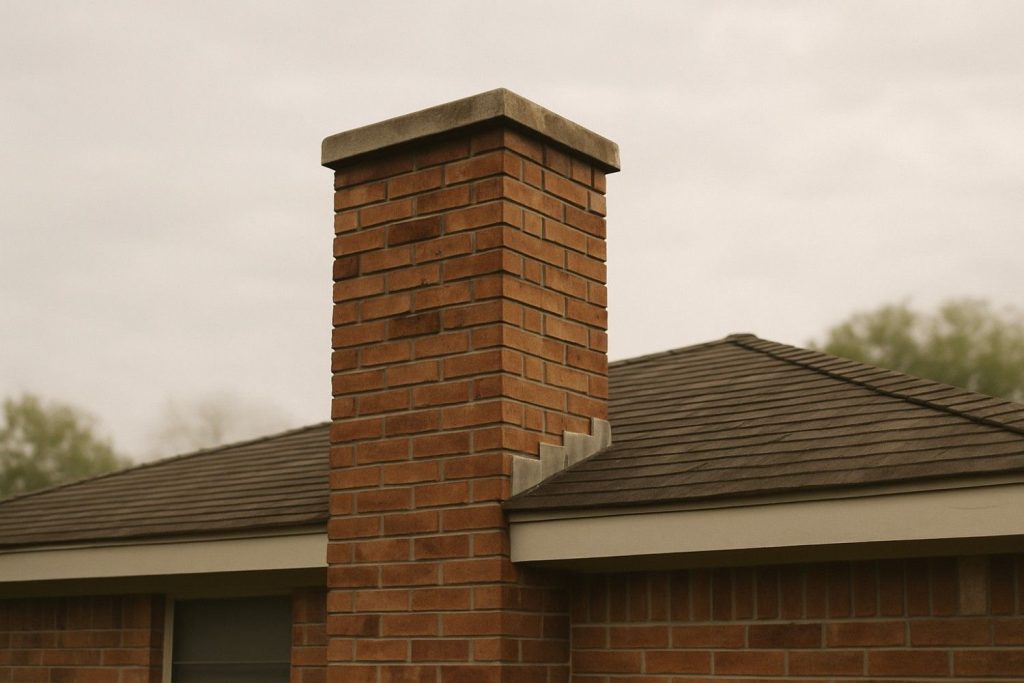
A chimney cap is a metal cover (usually stainless steel) with a spark arrestor screen on top of the flue. If it’s properly fitted, it keeps rain and wildlife out, blocks birds and other debris from getting in, keeps sparks in check & reduces downdrafts. Without one, your chimney’s pretty much wide open to the elements.
If a chimney cap gets damaged or just plain disappears, you might see:
- Rusted dampers and metal parts
- Spalling bricks from absorbing moisture
- Faster creosote buildup due to moisture mixing with soot
- Birds, squirrels, and other animals nesting inside the flue
The flue crown – the masonry or concrete slab at the top – pushes water away from the bricks and mortar. A chase cover does the same thing on prefab metal chimneys. Moisture control really matters in humid climates like Houston, where driving rain can get into the smallest cracks. Check flashing and mortar joints for water damage at every annual visit & replace any rusted or bent caps with corrosion-resistant stainless steel.
DIY vs. Professional Chimney Cleaning: What Homeowners Can (and Shouldn’t) Do
Some basic chimney care tasks are pretty easy to do yourself, but full-on chimney cleaning should be left to a pro service with the right training & equipment.
Safe tasks for homeowners:
- From the ground, make sure the chimney cap is still there and intact.
- Keep the firebox clear of excess ash (just leave a thin layer for insulation)
- Only burn seasoned hardwoods – seasoned firewood should have under 20% moisture
- Don’t burn treated wood or plastics – they create toxic buildup and make creosote worse
- Get smoke and carbon monoxide detectors installed & tested near sleeping areas
Why DIY kits just don’t cut it:
- The rods are often too short and can’t reach offset flues. Without a camera, there’s no way to find hidden cracks or tell if the flue liner actually failed
- Using the wrong technique is just as bad – you could end up compacting that pesky creosote instead of cleaning it out
- Working on a steep roof is hazardous, and the fall risk is all too real
You’re leaving out an important point by not hiring a pro to inspect your chimney every year. A certified chimney pro spots early signs of damage that could save you thousands down the line. Get a professional chimney sweep at least annually, even if you do take care of some minor stuff between visits. Houston fireplaces are a special beast, and a specialist with local knowledge will know exactly what to look for in our crazy Texas weather.
Chimney Inspections, Repairs & Dryer Vent Work
Chimney inspections come in three levels, each suited to something different:
- Level I: pretty basic – a quick, annual visual check of the parts you can easily get to. Standard stuff if nothing has changed.
- Level II: includes a video scan, checks of the attic and crawlspace, and some pressure tests. You’ll want to do this if you’re selling a house, installing a new appliance, or suspect some damage might have happened.
- Level III: invasive inspection – we’re talking removal of building components in there. This one is usually needed after a big chimney fire or some other structural event.
Chimney repair jobs we often find when we clean chimneys:
- Tuckpointing – we fix up that mortar and make sure masonry is solid.
- Replacing flues that are cracked or broken with new stainless steel ones.
- Fixing fireplaces – we can replace cracked firebox panels, seal up the crown, install a new damper, and even swap out the whole chimney cap to keep your whole chimney system safe.
- Fireplace repair, including tuckpointing and repairing mortar joints.
- Crown work: this might be a seal, or a full-on replacement of the crown.
- New damper installation – we might need to replace or install a new one to keep everything in working order.
- New chimney cap installation – this is the whole system, and properly doing it makes all the difference.
A lot of chimney companies also do dryer vent services, which is a big deal – clogged vents are a leading cause of house fires in America. Know the signs your vent needs a good cleaning: clothes take forever to dry, the room where the dryer is in feels too hot, or you see a bunch of lint hanging out around the vent outside. Combining chimney cleaning with dryer vent work in one visit is a smart thing to do – it saves you money and gets two big fire risks taken care of.
Finding a Chimney Sweep to Trust
You want to hire people who know what they’re doing, and that means looking for:
What to look for when choosing a chimney sweep:
- Certs from CSIA, NFI – or other regional outfits
- Multiple years in business – this shows they know how things work in our area
- Clear proof of liability insurance – you don’t want to deal with a contractor who can’t cover their own mistakes
- Strong local reviews – hiring a company that has a solid rep in the community is key
Ask for a written estimate before they get started and a report with pictures afterwards. A good experience looks like they show up on time, explain things in a way you can understand, clean up after themselves, and don’t hit you with any surprise charges.
As a Houston homeowner, you want to choose a team that actually knows our local codes, our building styles (masonry, metal, prefabricated), and can handle the kinds of problems we run into – heavy rain, humidity, storm damage. Companies that have been around for a while and specialize in fireplace work will be way better equipped to keep your chimney safe than some generic contractor.
Houston Area Seasonal Chimney Care
Keeping up with regular maintenance is super easy, and it’ll save you a ton of trouble in the long run.
Pre-season checklist (August-October):
- Schedule that inspection and cleaning before the first real cold snap hits.
- Make sure you’ve got a good supply of seasoned hardwood to burn – only buy wood that’s under 20% moisture.
- Give your chimney cap and flashing a once-over – if it’s damaged, seal it up. And book that dryer vent cleaning as part of your annual safety visit.
In-season tasks (November-February):
- Keep an eye out for soot or backdraft problems in your chimney over winter.
- If your chimney cap sounds loose or ratty, get it fixed
- If you smell weird odors on damp days, there’s probably a problem with moisture or buildup in your chimney
- Proper burning practice is key – keep the fire hot, burn dry wood only, and don’t let it smolder
Post-season chores (March-April):
- Get those leftover ashes cleaned up and disposed of properly
- Close that damper if you’re not using it – you don’t want to let air in
- Schedule any repairs that you put off during the busy season
- Keep an eye out for signs of moisture damage – if you see white, powdery stains on your exterior bricks, you need to call someone in to fix that.
Consistent care and annual professional visits will keep your chimney safe and extend its life by decades. Whether you’re in Houston, Sugar Land, The Woodlands, or just about anywhere else in the greater Houston area, staying on top of maintenance will pay off big time – for your home and for your family.
Book your appointment now with 832 Chimney Services – we can’t wait to get started on helping you keep your chimney safe and in great working order!