
Deposit stage assessed and removal method matched before any brush enters the flue. Stage 1 and Stage 2 creosote handled by a real chimney team.
Glazed creosote forms when a flue has been through repeated high-heat cycles without adequate cleaning between them.
Houston’s climate produces primarily cool, short burns. That pattern advances Stage 1 toward Stage 2 slowly. But when Stage 2 is left unaddressed across multiple seasons – or when a chimney fire event occurs – that deposit experiences intense heat. The heat transforms it. Stage 2 converts into Stage 3 glaze through that thermal process. It does not reverse.
Houston’s mild winters mean many homeowners burn infrequently. That infrequency often delays cleaning appointments. Deposits grow. A single hot fire in an uncleaned flue with significant Stage 2 buildup can trigger that conversion event. The glaze present now is the permanent record of your flue’s thermal history.
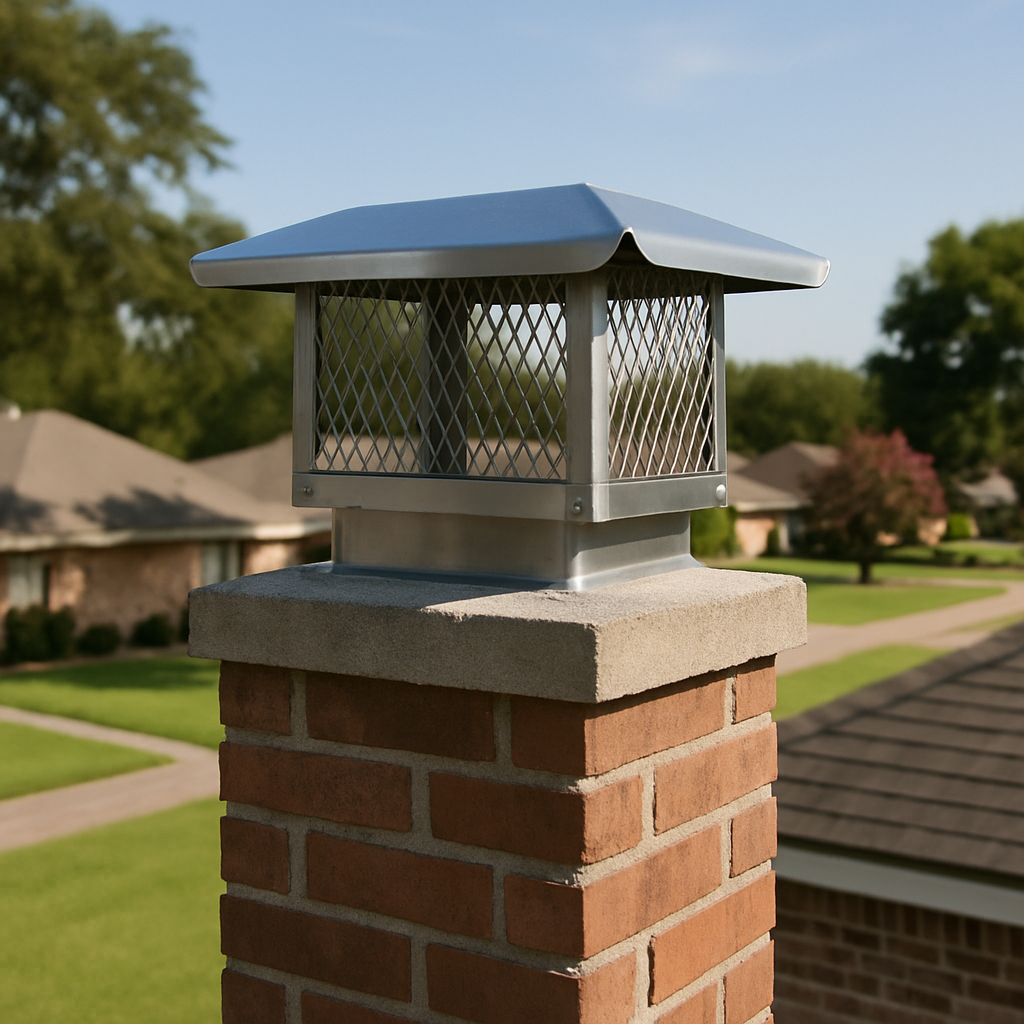
I’m going to walk you through a job we completed in the Energy Corridor neighborhood – west Houston, late in the season.
The homeowner had been told their flue had “bad creosote.” That’s not a diagnosis. When we arrived, I ran a camera into the liner and found Stage 3 glaze coating approximately 60% of the interior flue wall. Heavy concentration from the smoke chamber down through the first four feet of liner. This was not Stage 2 with some darkening. This was hard, shiny, impermeable glaze – clearly visible under light, with a surface texture distinct from Stage 2.
We did not brush it. That is the most important thing I can tell you.
Brushing Stage 3 glaze without chemical conversion first scores the deposit surface without removing the material. It can also score the terra cotta tile underneath, creating micro-fractures in the liner itself. We applied the chemical conversion agent directly to the deposit surface and documented the application date.
We returned after the required curing period. The glaze had converted – the formerly hard surface had become friable creosote, brittle enough for mechanical removal. We completed the mechanical extraction on that second visit, camera-confirmed the liner, and delivered a written record covering both visits.
The homeowner had a usable flue. The liner was intact. That’s what the two-visit protocol produces.
Every Stage 3 removal follows the same documented protocol – no shortcuts, no skipped steps.
A proper Stage 3 treatment takes two visits – and that timeline is the reason the liner stays intact.
Some buyers ask whether we can speed the process. The chemical conversion agent requires curing time to work through the full depth of the deposit. Attempting mechanical removal before full curing means removing only the surface layer while the underlying glaze remains bonded to the liner wall.
We observe the curing period because the alternative is incomplete removal combined with liner scoring. We schedule both visits before the first one begins, so you know exactly when your flue will be clear and documented.
If your Stage 3 assessment revealed liner damage beneath the glaze – a common finding after a chimney fire event – the relining conversation happens after removal, not before. We address what we find in sequence.
Agent breaks the glaze bonds.
Friable creosote extracted.
Three variables determine how your Stage 3 removal plays out – and all three are assessed before treatment begins. All three factors are assessed during the first visit. Your written scope covers what we found, what the treatment covers, and what the second visit will produce.
A flue with Stage 3 glaze covering 20% of the liner wall is a different job than one with full-wall coverage. Thickness affects how long the chemical agent needs and how much material mechanical tools must remove. This is assessed by camera before the first appointment ends.
Stage 3 deposits often form following a chimney fire event. That same heat event may have already stressed the liner. If the terra cotta tile beneath the glaze shows fractures or joint separation, removal reveals the damage - it does not cause it. We document what we find.
Taller flues, offset flues, or flues with multiple bends present more surface area and more mechanical access complexity. Houston's older masonry homes - particularly in Meyerland, Westbury, and the Oak Forest corridor - frequently have non-standard flue configurations built to mid-century dimensions. Those geometries affect tool selection and removal time.
Stage 3 glazed creosote is a hard, shiny, tar-like deposit solidified onto the flue liner wall. Brushing it scores the surface without removing the material and can create micro-fractures in the terra cotta tile beneath. It requires a chemical conversion agent first to break the molecular bonds.
The chemical conversion agent requires curing time to work through the full depth of the deposit. Attempting mechanical removal before full curing removes only the surface layer while the underlying glaze remains bonded. The two-visit protocol is the reason the liner stays intact.
No. We observe the curing period in full because the alternative is incomplete removal combined with liner scoring. We schedule both visits before the first one begins, so you know exactly when your flue will be clear and documented.
Stage 3 deposits often form after a chimney fire event, and that same heat may have stressed the liner. If the terra cotta tile shows fractures or joint separation, removal reveals the damage, it does not cause it. The relining conversation happens after removal, not before.
We run a camera into the liner before any chemical is applied. Stage and coverage area are documented before treatment begins. Stage 3 glaze is clearly visible under light, with a hard, shiny, impermeable surface texture distinct from Stage 2 darkening.
(832) 662-3437
832 Home Service completes Stage 3 creosote glaze removal across the Greater Houston area.
If you’ve been told you have Stage 3 or glazed creosote, the next step is a camera assessment to confirm stage, coverage, and liner condition.
WhatsApp us
Tell us what’s going on and we’ll get back to you, often the same day.
Prefer to talk? (832) 662-3437