
Bricks falling from your Houston chimney? We stabilize loose bricks on arrival, then assess the damage. Bricks on the ground? Call 832 Home Service now – (832) 662-3437.
When bricks are actively separating from a chimney, the first job is stopping the movement – not measuring it.
Brick pieces on the ground mean one thing: the separation process has already started. The question most homeowners ask next is whether more are coming. That is the right question, and it is the one an emergency spalling brick repair call is designed to answer – starting with physical stabilization before anything else happens.
832 Home Service secures loose and partially separated chimney bricks as the first action on every emergency call. That step is documented separately from the repair assessment. You see what was done immediately and what the full repair scope looks like – two distinct records, not one combined estimate you have to sort through yourself.
The stabilization record also matters for insurance purposes. If a Houston storm event triggered the accelerated spalling, that documentation is in place from the moment the crew arrives.
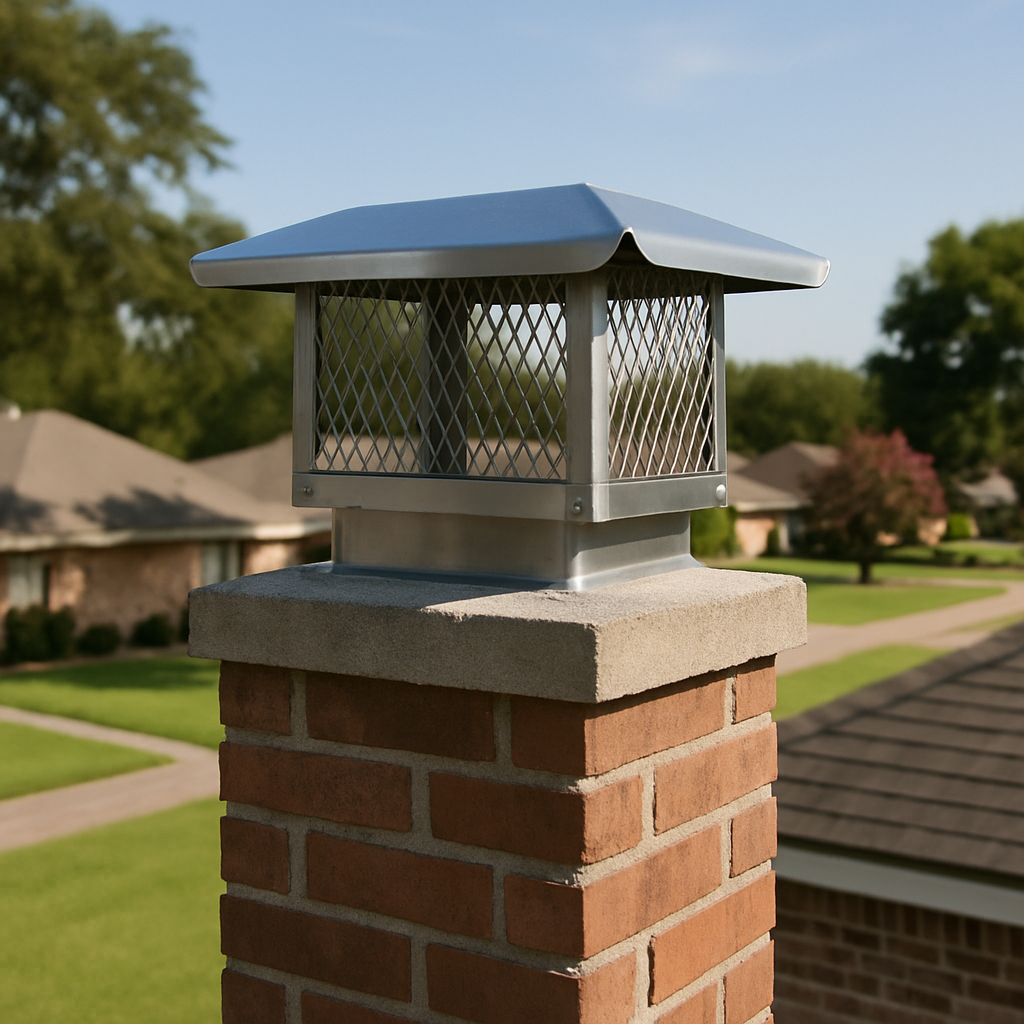
Active brick separation – bricks still bonded but no longer fully secure – is the most hazardous phase of spalling.
The bricks already on the ground are not the primary hazard. The ones still attached but partially separated are. A chimney brick at roofline height, loosened by moisture expansion and held in place by nothing but friction and a deteriorated mortar joint, can dislodge from vibration, wind, or the next rainfall event.
Houston’s seasonal pattern accelerates this. Spring saturates brick pores during the heavy rainfall season. Summer heat then drives thermal expansion in those already-saturated pores. The result is a spalling progression rate – the speed at which brick face separation advances – that can move from a single piece on the ground to a multi-brick active separation condition within one wet season.
Older neighborhoods carry the highest incidence. 832 Home Service responds to emergency spalling brick calls across eastern Harris County – including Pasadena, South Houston, and Galena Park – where 1940s through 1970s brick chimneys have been through decades of that wet-then-heat cycle without full masonry assessment.
A falling hazard at chimney height is not the same as a scheduled maintenance item. The area below an actively separating chimney – roof deck, walkway, parked vehicle – stays in the hazard zone until stabilization is complete.
Every emergency spalling call follows the same material and method standards, regardless of how quickly the situation is progressing.
Stabilization materials: Mechanical fasteners, hydraulic mortar, or structural adhesive selected based on brick position, separation degree, and surrounding mortar condition
Area safety: The zone below the chimney is evaluated before any crew member works at elevation
Structural assessment scope: All accessible chimney faces checked, not just the face where separation was reported
Moisture source location: Crown, cap, flashing, mortar joints, and chimney top all checked for active water entry
Documentation: Stabilization actions recorded separately from assessment findings - two distinct written records delivered to the homeowner
Permanent repair pathway: Every emergency call concludes with a clear scope of what the permanent repair requires
Storm documentation: If the spalling was triggered by a named weather event, the documentation format supports insurance claim submission
Every emergency spalling call follows a clear sequence, and each step produces its own record.
832 Home Service begins every emergency spalling brick call with a ground-level and roofline visual scan. We identify active brick separation and determine where stabilization needs to happen first. Stabilization comes before any other work. A brick sitting in a deteriorated joint requires a different approach than a cracked brick face still attached to the substrate. Once stabilized, we assess every accessible chimney face for broader instability, checking the surrounding and bonded bricks and determining whether a wider safety perimeter is needed. If the chimney shows signs of structural instability, we document it and inform the homeowner before work continues.
After structural safety is confirmed, the crew identifies the moisture source feeding the spalling. In Houston, the most common sources are a cracked or missing chimney crown, deteriorated flashing at the roofline joint, open mortar joints just below the cap, or a chimney cap that has shifted and is allowing water directly into the flue opening. Moisture source identification in an emergency context is a rapid assessment - not a full leak diagnostic. The goal is to find the primary entry point and determine whether water is still actively entering the chimney. If active intrusion is confirmed, the crew installs a temporary barrier appropriate for the entry point. That prevents additional saturation from advancing the spalling progression rate before permanent repair is scheduled.
The emergency call concludes with two written records. The first covers immediate brick stabilization: what was done, what materials were used, and which bricks were affected. The second covers the structural stability assessment and moisture source finding: what the full condition looks like and what the permanent repair scope requires. Emergency repair documentation is delivered to the homeowner before the crew leaves the site. If the spalling event was connected to a storm, the documentation is formatted to support an insurance submission. The permanent repair appointment is scheduled before we leave - not left as an open callback.
A brick that has not fallen yet can still be secured. That is exactly what immediate brick stabilization addresses.
Partial separation is common on emergency calls. The brick face may have cracked away from the backing while still resting in the mortar joint, leaving it vulnerable to wind or further weather damage.
If the brick is intact and enough mortar contact remains for mechanical fastening, we can temporarily secure it while the permanent repair plan is developed. If the brick has shifted too far and reseating it could damage surrounding mortar joints, we remove it in a controlled manner and document its position for the masonry repair scope.
Either way, we explain the decision before taking action. You know what we did, why we did it, and what the next step is in writing, before we leave the site.
Other work Houston homeowners commonly pair with this service.

Planned repair when it isn't urgent.
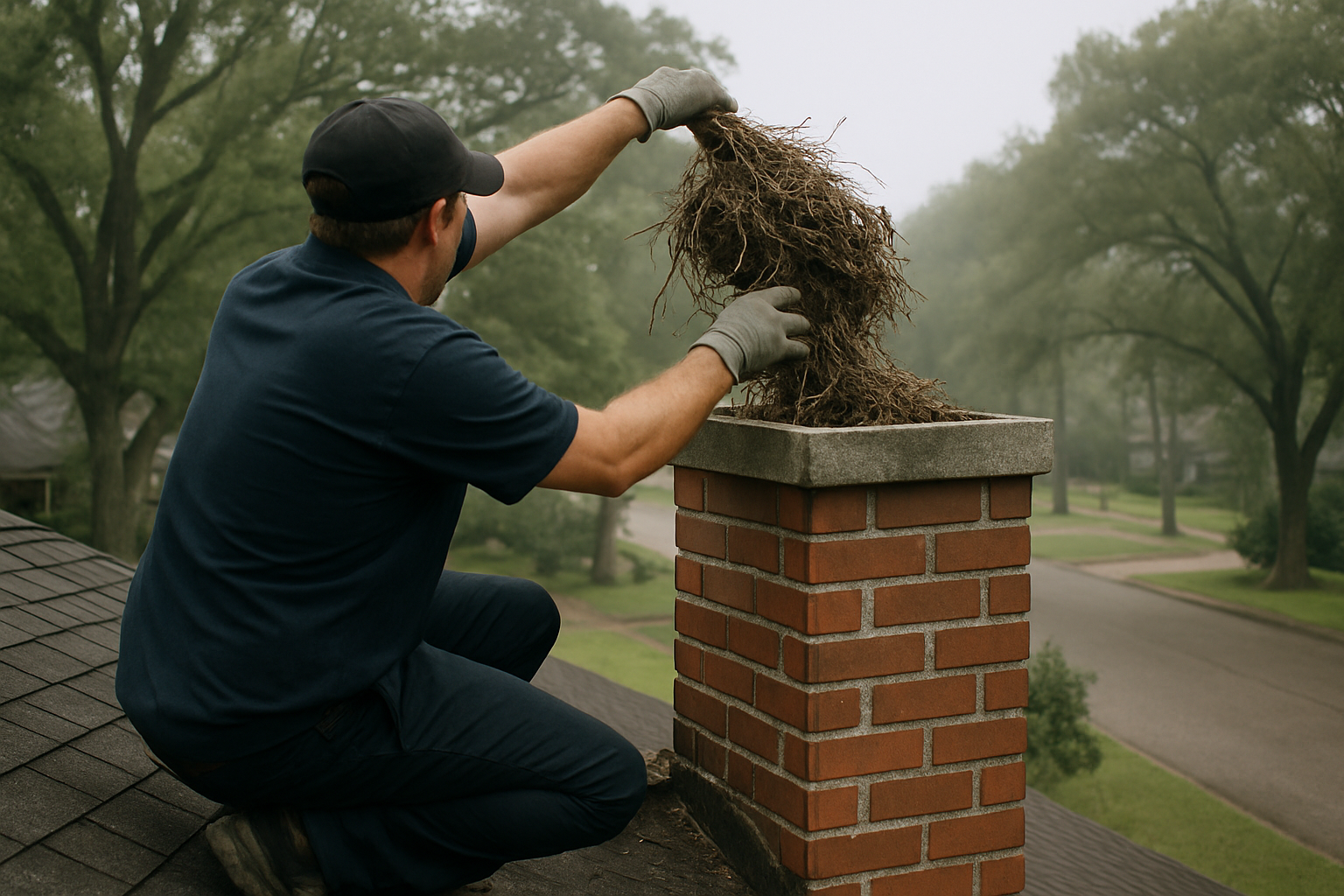
Failing joints are what let the water in.
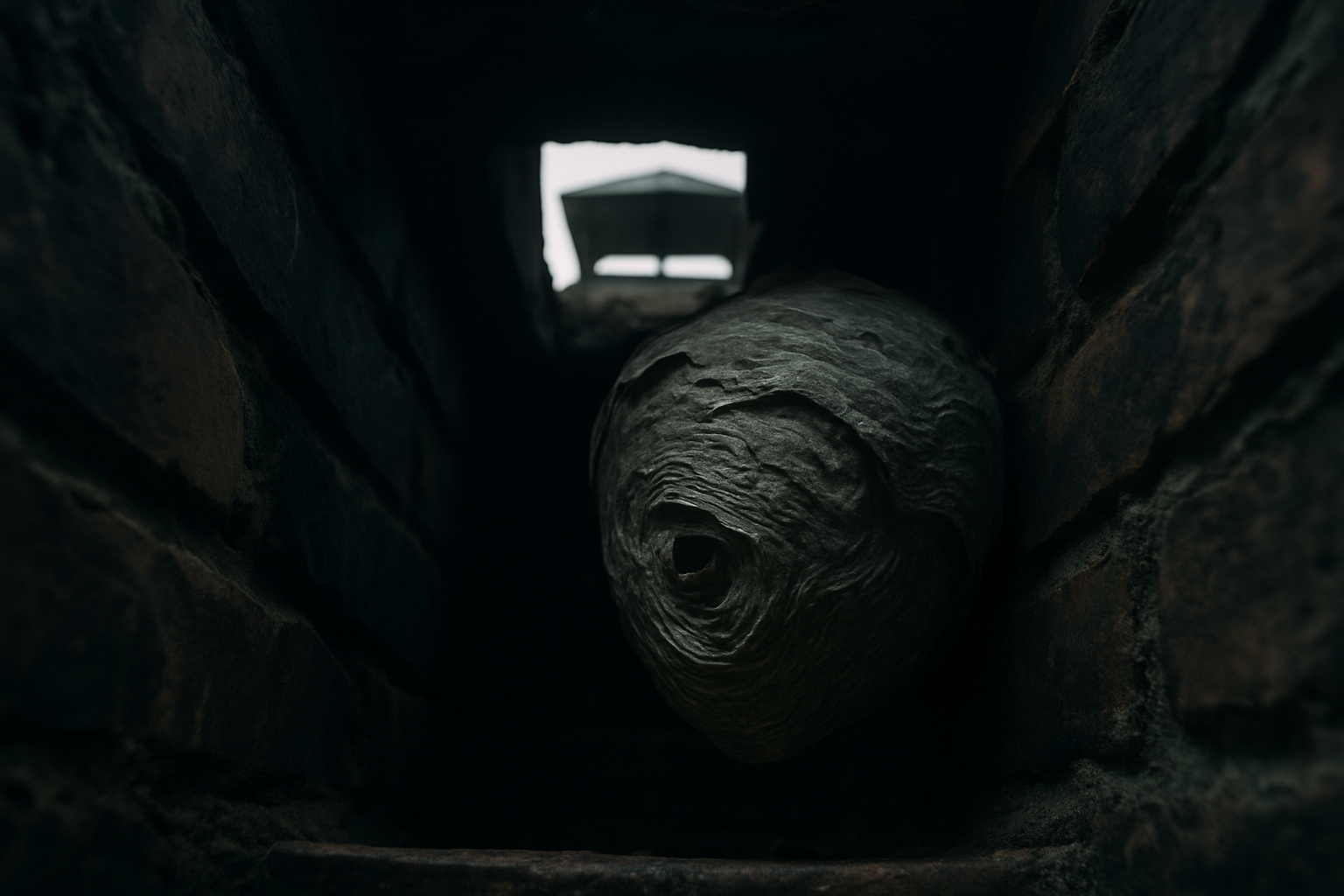
Stop the moisture cycle that causes spalling.
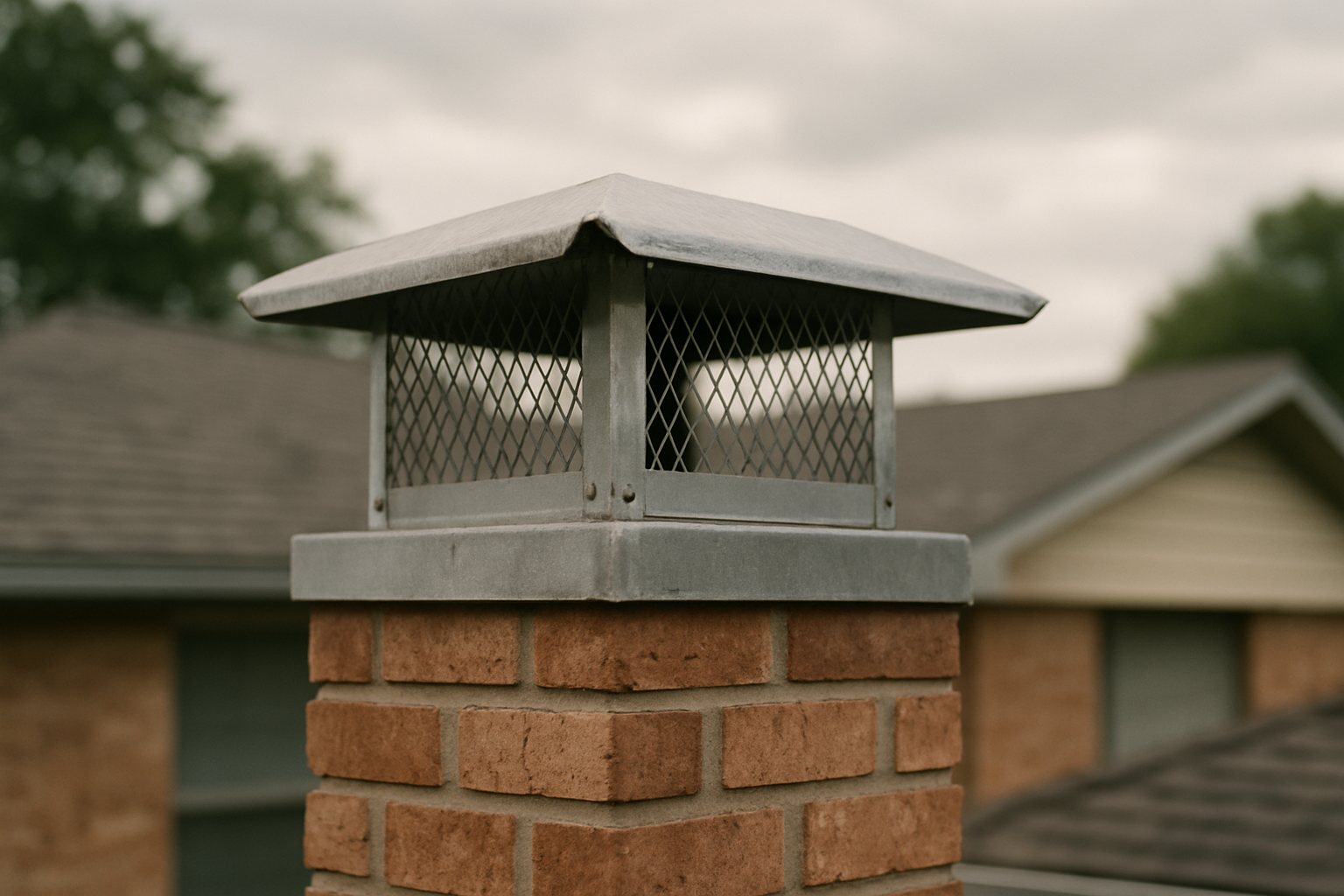
Why Gulf Coast brick fails faster here.
832 Home Service responds to urgent chimney brick repair calls throughout the Greater Houston area.
Yes. If you have bricks on the ground or can see a chimney section that looks loose, call before scheduling a standard repair appointment. The active separation process does not pause. Our emergency call stabilizes loose bricks first, then assesses the damage.
In most cases, yes. If the brick body is intact and the remaining mortar contact is sufficient for mechanical fastening, we secure it in place temporarily while the permanent repair plan is developed. If it has moved too far, we remove it in a controlled manner and document its position.
Yes. The stabilization record is documented separately from the repair assessment. If a Houston storm event triggered the accelerated spalling, that documentation is formatted to support an insurance claim submission.
Spring rainfall saturates brick pores, then summer heat drives thermal expansion in those already-saturated pores. This wet-then-heat cycle can advance a chimney from a single fallen brick to a multi-brick active separation condition within one wet season.
Yes. After structural safety is confirmed, the crew performs moisture source identification – a rapid assessment of the crown, cap, flashing, and mortar joints. If active water entry is confirmed, we install a temporary barrier to slow the spalling progression rate before permanent repair is scheduled.
(832) 662-3437
832 Home Service has handled emergency spalling brick calls across the Houston area since 2010 – stabilization first, assessment second, documentation before we leave.
Contact our team today for a free consultation. Call 832 Home Service, describe what you are seeing and your address, and we will dispatch the appropriate crew.
WhatsApp us
Tell us what’s going on and we’ll get back to you, often the same day.
Prefer to talk? (832) 662-3437