Straight answers pulled from over a decade of service calls across Greater Houston.
Houston homeowners ask us a lot of questions and they deserve real answers.
This FAQ covers everything we get asked regularly. Cleaning schedules. Inspection tiers. Leaks. Liners. Gas fireplaces. Animals. Odors. Commercial flues. We’ve pulled from over a decade of service calls across Greater Houston from Pearland to The Woodlands, Katy to Galveston – to put this together.
Here’s what most homeowners don’t realize about chimney questions: the right answer often depends on your specific setup. A wood-burning fireplace behaves differently than a gas insert. A chimney built in the 1970s has different materials than one built in 2005. Houston’s humidity adds a layer most Northern chimney guides completely ignore.
Read through the section that matches your situation. If you don’t find what you’re looking for, call us directly at (832) 662-3437 or email in**@****************es.com. We’ll give you a straight answer.
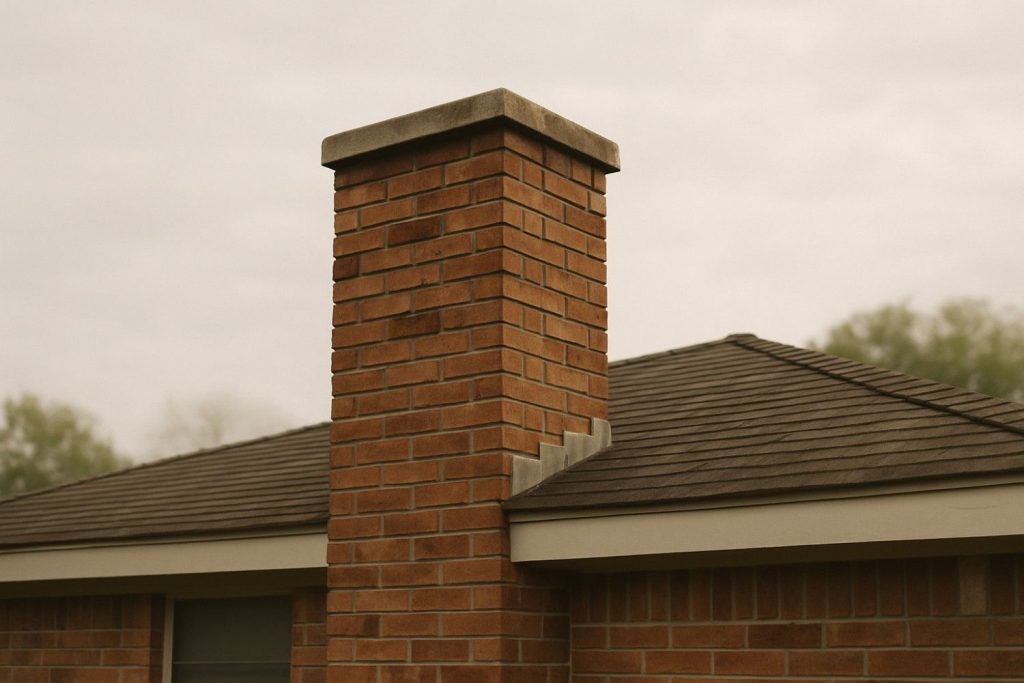
Regular chimney cleaning keeps your system burning safely and efficiently. Related: Chimney Cleaning in Houston, TX • Houston Chimney Sweeping
Once a year is the baseline. Frequency depends on how much you burn. Heavy users more than a cord of wood per season benefit from twice-yearly cleaning. Light users who burn a handful of times per season can sometimes go longer. An inspection tells you exactly what’s building up so you’re not guessing.
People use these terms interchangeably. Technically, sweeping refers to brushing out the flue to remove soot and loose debris. Cleaning is broader – it covers creosote deposits, blockages, the smoke chamber, and the firebox. When we say cleaning, we mean the full job.
Yes – and this is something guides from colder states miss entirely. Houston’s humidity accelerates moisture absorption in creosote deposits. That makes some deposits stickier and harder to remove. It also means chimney systems here are more prone to mold and organic growth inside the flue between burning seasons. A chimney that sits unused through a Houston summer needs attention before the first fall fire.
Yes. Once cleaning is complete and debris is cleared from the firebox, the system is ready to use. If we find anything during the cleaning that needs attention – a cracked flue tile, a damaged damper – we’ll tell you before we leave. You’ll know whether it’s safe to light a fire.
We set up a drop cloth to protect your hearth and floors. We inspect the firebox and damper first, then run brushes through the flue from above or below depending on the system. We use a vacuum system to contain soot and dust. A standard wood-burning fireplace and flue typically takes under two hours. We do a final check before we pack up and walk you through anything we noticed.
A chimney inspection tells you exactly what condition your system is in no guesswork. Related: Tier 1 Inspection • Tier 2 Inspection • Tier 3 Inspection • Preventive Inspections
A Tier 1 inspection typically runs 45 minutes to an hour. A Tier 2 with camera runs 90 minutes to two hours depending on flue configuration. Tier 3 timelines vary based on what access is needed.
Absolutely. A standard home inspection won’t go deep enough on the chimney. Home inspectors are generalists. A dedicated chimney inspection – specifically a Tier 2 with camera – shows you exactly what’s inside the flue, whether the liner is intact, and whether there’s any damage the previous owners may not have disclosed. Houston-area homes from the 1980s and 1990s frequently have clay tile liners that show wear by now. Know that before you close.
It’s an inspection done on a set schedule – not because something’s wrong, but to catch small issues before they become expensive ones. A hairline crack in a flue tile doesn’t cause a leak on day one. But after two Houston rainy seasons, that crack widens, moisture gets in, and you’re looking at a full reline. Preventive inspections are how you avoid that outcome.
We give you a complete picture of what we found. If everything’s in good shape, you get the peace of mind of knowing that. If we find something, we walk you through what it is, what it means, and what your options are. You get the information and you decide what to do next.
The standard annual inspection. We examine the accessible portions of the chimney - firebox, damper, visible flue sections, exterior crown, cap, and flashing. No cameras, no specialized equipment. This is the right starting point for a chimney that's been regularly maintained with no known issues.
Adds a camera scan of the entire flue interior. This is required when buying or selling a home, after any chimney fire, after switching fuel types, or after storm damage. The camera reveals cracks, gaps, and liner deterioration a Tier 1 can't catch.
The deepest level. It may require removing portions of the chimney structure to access hidden areas. We only recommend Tier 3 when Tier 2 findings document a serious structural hazard that can't be resolved otherwise
Most chimney leaks have a specific source and finding it is the whole job. Related: Leak Inspection • Leak Repair • Flashing Repair • Waterproofing • Efflorescence Removal
Water gets in through several entry points. The most common are a damaged chimney crown – the concrete cap at the very top of the masonry – cracked or missing mortar joints, failed chimney flashing where the chimney meets the roof, and a chimney cap that’s rusted through or missing entirely. Houston’s severe weather accelerates all of these. One strong storm season can open up multiple entry points at once.
The chimney crown is the concrete slab covering the top of the chimney, leaving only the flue opening exposed. It directs water away from the masonry. Crowns crack for two reasons: poor original construction using mortar instead of proper concrete mix, and thermal expansion from Houston’s temperature swings. A cracked crown lets water sit on the masonry and accelerate brick deterioration below it.
Efflorescence is the white, chalky mineral deposit that appears on brick or mortar when water moves through masonry and evaporates on the surface. It’s a visible signal that moisture is actively moving through your chimney’s exterior. On its own, efflorescence isn’t structural damage. But it tells you water is getting in somewhere, and that should be investigated before the masonry weakens. We offer both efflorescence diagnostics and removal.
Flashing is the metal barrier that seals the joint between your chimney and your roof. It’s typically aluminum or galvanized steel. Over time, the sealant holding flashing in place dries out, cracks, and separates – especially in Houston’s heat cycles. When that seal breaks, water runs straight down the chimney chase into your ceiling. Flashing failure is one of the most common sources of chimney water damage in Greater Houston.
It’s a targeted diagnostic process focused specifically on identifying water entry points. We check the crown, cap, flashing, mortar joints, brick face, and liner from both inside and out. We may use moisture meters and trace water pathways to pinpoint exactly where the leak originates. Getting the source right matters – waterproofing the outside doesn’t fix a cracked crown or failed flashing.
Chimney waterproofing means applying a vapor-permeable sealant to exposed masonry surfaces. The key word is permeable – the product lets moisture vapor escape from inside the masonry while blocking liquid water from penetrating from outside. Using the wrong product – like a paint-based sealer – traps moisture inside, which accelerates spalling. We use products designed specifically for chimney masonry, not generic concrete sealers.
The right repair extends your chimney’s life by decades. Related: Spalling Brick Repair • Mortar Repair • Crown Repair • Full Chimney Repair • Chase Cover Installation
Spalling is when the face of a brick flakes or pops off. In Houston, we see spalling caused by moisture saturation from years of water infiltration rather than freeze-thaw cycles. Damaged bricks are removed and replaced with matching material. Surface patching alone won’t hold long-term.
Repointing also called tuckpointing is the process of removing deteriorated mortar from the joints between bricks and replacing it with fresh mortar. Mortar has a lifespan. It softens, erodes, and eventually falls out, leaving gaps where water enters. Repointing restores joint integrity and closes that entry point. It’s one of the most cost-effective chimney repairs available before problems escalate.
Crown repair means patching cracks and sealing the existing crown using crown-specific flexible sealant. This works well when the crown is structurally sound but showing early cracking. A custom concrete chimney crown installation means removing the existing crown entirely and pouring a new one using proper concrete mix with the correct overhang profile – typically a minimum two-inch overhang on all sides with a drip edge. Many original crowns on Houston-area homes were built with basic mortar mix and minimal overhang. A custom crown outperforms those originals significantly.
Full chimney repair addresses structural damage across the entire system – not just one component. This can include rebuilding sections of the chimney stack, replacing the liner, repointing all mortar joints, replacing the crown and cap, and repairing or replacing flashing. We assess what’s needed and explain each component separately. You’re not required to address everything at once.
Yes. Depending on where damage is concentrated, we can rebuild sections of the chimney stack above the roofline while leaving intact masonry below in good condition. Partial rebuilds are common after storm damage or after years of moisture intrusion near the top of the chimney.
A chimney chase cover is the metal top that covers a factory-built or prefab chimney chase – the enclosure around a metal flue. These differ from masonry chimneys. Chase covers on older homes are typically galvanized steel, and they rust. A rusted-through chase cover lets water pour directly into the chase, saturating the wood framing. We install stainless steel chase covers, which won’t rust and won’t need replacement again.
A fireplace works best when the firebox, damper, and flue all function as one system. Related: Fireplace Cleaning • Gas Fireplace Inspection • Gas Log Installation • Odor Removal • Smart Home Fireplace • Fireplace Refacing • Mantel Installation
Fireplace cleaning focuses specifically on the firebox – removing ash buildup, cleaning the walls and floor, cleaning the smoke shelf, and checking the damper. Chimney cleaning covers the full flue above. A complete fireplace cleaning covers both. We recommend doing both together so nothing gets missed.
Gas logs are ceramic or refractory logs installed in a wood-burning fireplace, connected to a gas line, to replicate the look of a wood fire without the fuel or ash. We handle both vented gas log sets – which require a functioning flue – and vent-free sets, which don’t. Vent-free systems release combustion byproducts into the room, so they come with specific sizing and usage requirements. We’ll help you determine which type fits your fireplace and your situation.
Some homes have persistent fireplace odors that return even after standard cleaning. Chronic odor usually means a combination of factors – residual creosote embedded in the masonry, inadequate draft, or recurring negative pressure. Remediation involves sealing the masonry with an odor-blocking product, correcting draft issues, and potentially installing a top-sealing damper to block outside air from entering when the fireplace isn’t in use.
Fireplace refacing means updating the exterior appearance of the fireplace surround – the visible portion in your living space. Stone veneer remodeling involves applying stone, tile, or manufactured stone panels over an existing firebox surround to change the look entirely. This is cosmetic work. It doesn’t affect how the fireplace functions, but it dramatically changes how it looks. We handle this as a separate service from structural repairs.
Gas fireplace inspections focus on the gas supply components – the valve, igniter, burner ports, logs or media, thermocouple, and thermopile – in addition to venting and the firebox. There’s no creosote concern with gas, but gas systems can develop ignition failures, delayed lighting, and carbon monoxide risks from incomplete combustion. We do a full operational check and combustion analysis, not just a visual look.
Fireplace odors have a few common sources. Creosote deposits produce a smoky, acrid smell – especially in summer when heat and humidity activate the deposits. Animal nesting material and remains in the flue produce a distinct organic odor. Negative air pressure in the home can pull chimney air down into the living space, bringing smells with it. Each cause has a different fix. We diagnose the source before recommending any solution.
We install fireplace systems and controls that integrate with smart home platforms. This can mean a gas fireplace or insert with a smart thermostat, app control, or voice activation through platforms like Google Home or Amazon Alexa. Setup involves both the fireplace installation itself and the smart control wiring and configuration. If you’re doing a new fireplace installation and want smart controls built in from day one, that’s the right time to spec it.
A mantel is the decorative frame around the fireplace opening – the shelf and surround structure visible in the room. Custom mantel installation means fabricating and installing a mantel built specifically for your fireplace’s dimensions and your room’s style. Mantels can be wood, stone, or a combination. Proper clearance from the firebox opening is a code-governed measurement, not a stylistic preference.
Creosote is the primary combustion byproduct that builds up inside chimneys – here’s what you need to know. Related: Creosote Removal • Glaze Removal • Post-Fire Inspection • CO Safety Inspection • Forensic Diagnostics
Creosote is a byproduct of burning wood. When smoke rises through the flue and cools, unburned particles condense and stick to the flue walls. Over time, these deposits build up in three stages. First-degree creosote is light and flaky – easiest to remove. Second-degree creosote is harder and tar-like. Third-degree creosote – called glazed creosote – is dense, shiny, and extremely difficult to remove. It also burns at very high temperatures if ignited.
Glazed creosote is the most serious form. Standard brushing won’t break it down. We use chemical treatments to convert the glaze into a removable consistency before mechanical removal. Glazed creosote removal is a multi-step process that takes longer than standard sweeping and requires specific products. If you’ve had a chimney fire or haven’t had your chimney cleaned in many years, glazed creosote is a real possibility.
Chimney fires happen when accumulated creosote inside the flue ignites. Temperatures can exceed 2,000°F inside the flue – enough to crack clay tile liners, damage mortar joints, and transfer heat through the chimney structure to nearby combustibles in walls and attic spaces. Many chimney fires are small and go undetected at the time, discovered only during a later inspection. Burning seasoned hardwood and keeping creosote deposits low significantly reduces this risk.
If your chimney has experienced a fire – even a small one – it needs a full inspection before further use. A post-fire inspection looks for cracked liner segments, spalled masonry, damaged flashing, and areas where heat transferred through the chimney structure to surrounding building materials. We document everything we find. In most cases this involves a Tier 2 camera inspection.
Carbon monoxide – CO – is an odorless, colorless gas produced by incomplete combustion. It can enter living spaces through a damaged flue, a blocked vent, or a malfunctioning gas appliance. A carbon monoxide safety inspection checks the entire combustion pathway – firebox, liner, flue connections, and any appliances venting through the chimney – to verify nothing is allowing CO to enter the home. We check for physical damage, blockages, and proper draft.
Forensic chimney diagnostics is what we do when there’s been an incident – a fire, a CO event, an insurance claim – and the cause needs to be documented precisely. It’s more detailed than a standard inspection. We assess failure points, document findings systematically, and identify contributing factors. This service is also useful for complex problems that haven’t responded to standard repairs.
Your chimney liner is the critical barrier between combustion gases and your home’s structure. Related: Chimney Relining • Smoke Chamber Repair
A chimney liner – also called a flue liner – is the inner passageway of your chimney that contains combustion products and directs them out of the home. Liners can be clay tile (most common in older Houston homes), cast-in-place (poured material applied inside an existing flue), or stainless steel (flexible or rigid). The liner protects the masonry from heat and corrosive combustion byproducts and prevents those byproducts from seeping into living spaces.
Under normal conditions, a properly installed clay tile liner can last 50 years or more. That assumes no chimney fires, no significant thermal shock, and reasonably maintained joints. In Houston, moisture cycling through the masonry accelerates joint deterioration. Many clay tile liners installed in the 1970s and 1980s are showing wear now. A Tier 2 camera inspection will tell you definitively what condition your tiles are in.
Relining means installing a new liner inside an existing chimney flue. The existing liner may be cracked, deteriorated, or incompatible with the appliance you’re venting. Relining is most often done with stainless steel flexible liner – a ribbed metal sleeve that runs the length of the flue – or with a cast-in-place liner formed directly inside the existing chimney. The right choice depends on your flue’s shape, the fuel type, and the appliance.
Relining is required when the existing liner is cracked or damaged enough to allow combustion gases to escape, when you’re switching fuel types, when you’re adding a new appliance that vents through an existing flue, or when the flue size needs to change to match an appliance’s specifications. A camera inspection confirms whether relining is necessary before we recommend it.
New chimney liner installation means running a complete liner system in a chimney that doesn’t yet have one, or replacing an entire liner rather than relining. This applies when a chimney has been used as a chase for a new metal flue system, or when a complete masonry rebuild requires starting fresh with a line
Unwanted guests and unwanted smells both have fixable causes – here’s how we approach each. Related: Animal Removal • Wasp Removal • Bird Nest Removal • Odor Sealing
Houston chimney systems attract birds – particularly chimney swifts, which are a federally protected migratory species – along with squirrels, raccoons, and wasps. Chimney swifts nest actively inside uncapped flues in the spring. Once in residence, federal law prohibits removal until they’ve migrated. The right solution is a chimney cap installed before swift season. Squirrels and raccoons are a year-round concern. Wasps build inside chimney caps and smoke chambers regularly in Greater Houston’s warm climate.
Bird nests inside the flue are a fire hazard – nesting material is highly combustible. After the nesting season ends and the birds have left, we remove all nesting material from the flue, smoke shelf, and smoke chamber completely. Then we install a cap to prevent nesting the following season.
The method depends on what’s inside. For non-protected animals – squirrels, raccoons, wasps – we remove the animals and nesting material, sanitize the area, and cap the chimney to prevent re-entry. For birds, if a protected species like chimney swifts is present, we work around the migration timing and cap after they’ve left. After any animal situation, a full cleaning and inspection is the right next step.
Some chimneys after repeated creosote exposure or water damage – absorb odors into the masonry itself. Regular cleaning removes surface deposits, but the smell persists because it’s embedded in the brick and mortar. Chimney odor sealing means applying a sealing product directly to the masonry interior surfaces after cleaning. It locks in the odor compounds so they can no longer off-gas into your home.
The components at the top and throat of your chimney control airflow, keep water out, and keep animals out. Related: Top-Sealing Dampers • Damper Repair • Cap Installation • Copper Chimney Pots
A top-sealing damper sits at the very top of your flue – at the chimney crown level – instead of at the throat just above the firebox. When the fireplace isn’t in use, it creates an airtight seal at the top, blocking air infiltration, reducing energy loss, and keeping animals and debris out. Traditional throat dampers are metal plates that warp over time and never fully seal. A top-sealing damper is significantly more airtight.
A chimney cap is a metal cover that sits over the flue opening at the top of the chimney. It keeps rain, debris, and animals out while allowing combustion gases to exit. Houston averages about 50 inches of rainfall per year – going without a cap here means water enters directly into the flue every time it rains. We handle chimney cap installation, chimney cap replacement, and custom copper chimney pots for decorative applications.
Throat dampers can rust, warp, or lose their handle mechanism. When a damper doesn’t open fully, it restricts draft and causes smoking problems. When it won’t seal, it lets conditioned air escape and outside air enter year-round. We repair what can be repaired replacing hardware, realigning plates and replace dampers when the frame or plate is too deteriorated to function properly.
Copper chimney pots are decorative flue extensions that also function as chimney caps. They elevate the flue opening above the crown, which can improve draft and reduce wind-induced downdraft. Copper is highly durable and weathers to a distinctive patina. They’re a functional upgrade with a visual impact – often used on custom homes and historic properties.
Good draft is the foundation of a safe, functional chimney – and poor draft has identifiable causes. Related: Draft Analysis • Forensic Draft Analysis • Airflow Correction
Draft is the upward flow of air through the chimney that carries combustion gases out of the home. Good draft keeps smoke moving up and out during a fire. Poor draft causes smoke to spill into the room, combustion gases to back up, or the fireplace to be difficult to light. Draft is affected by flue height, flue diameter, chimney temperature, outdoor temperature, and air pressure conditions inside the home.
Forensic draft analysis is the deeper version – done when standard diagnostic steps haven’t resolved a persistent draft problem, or when there’s been a CO incident and the cause needs to be identified systematically. We use instruments, pressure mapping, and operational testing to trace exactly where the airflow failure is occurring. It’s technical problem-solving rather than a general service call.
A chimney draft analysis is a diagnostic service that measures actual airflow conditions in your chimney system. We check flue pressure, evaluate the flue-to-firebox opening ratio, assess home depressurization effects, and identify mechanical contributors – like exhaust fans or HVAC equipment pulling air from the home. In Houston’s tightly built modern homes, mechanical depressurization is a more common draft problem than most homeowners realize.
Once we’ve identified the cause of draft failure, airflow correction means fixing it. Solutions range from installing a top-sealing damper to adding a chimney cap with a specific airflow profile, adjusting flue size through relining, or making recommendations about home ventilation. Some problems are in the chimney. Some are in the house. We address both.
Commercial chimneys and boiler flues operate at higher loads and need professional-grade maintenance. Related: Commercial Cleaning • Boiler Flue Cleaning • Emergency Furnace Flue • Commercial Repair
We handle the full range of commercial chimney needs: commercial chimney cleaning, commercial exhaust cleaning, commercial flue cleaning, commercial boiler flue cleaning, and commercial chimney repair. Commercial systems – restaurant exhaust flues, boiler flues, industrial vent systems – accumulate deposits faster than residential chimneys and require more frequent service intervals to stay operational and safe.
Boiler flues carry combustion gases from a building’s boiler system out of the structure. In commercial settings, boilers run far more frequently than residential fireplaces – often daily, year-round. Deposits build up faster as a result. A dirty boiler flue reduces combustion efficiency, increases fuel consumption, and can create backdraft conditions. Cleaning intervals depend on fuel type and usage load.
When a furnace or boiler flue is blocked or partially blocked, it’s an urgent situation. A blocked flue can cause CO to back up into occupied spaces. Emergency furnace flue cleaning means we prioritize the call, assess the flue condition, clear the obstruction, and verify proper combustion before leaving. This service applies to both commercial and residential heating system flues.
Flue cleaning and maintenance is a recurring service arrangement for commercial clients who need regular scheduled cleaning of exhaust flues or vent systems. We set a schedule based on your system’s usage rate and fuel type. This is how restaurants, multi-family buildings, and commercial facilities stay ahead of operational problems.
832 Home Service covers Greater Houston and surrounding communities.
If your question isn’t here, call us we’ll give you a straight answer. Contact us today for a free consultation. We’ve been serving Greater Houston since 2010. We have 12 crews in the field and handle everything from routine cleaning to forensic diagnostics to full chimney rebuilds. No question is too basic. No situation is too complicated. You can also find us on Facebook, Instagram, YouTube, and Pinterest under 832 Home Service.
WhatsApp us
Tell us what’s going on and we’ll get back to you, often the same day.
Prefer to talk? (832) 662-3437