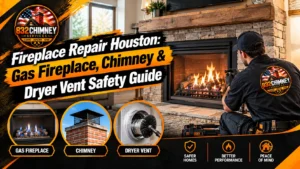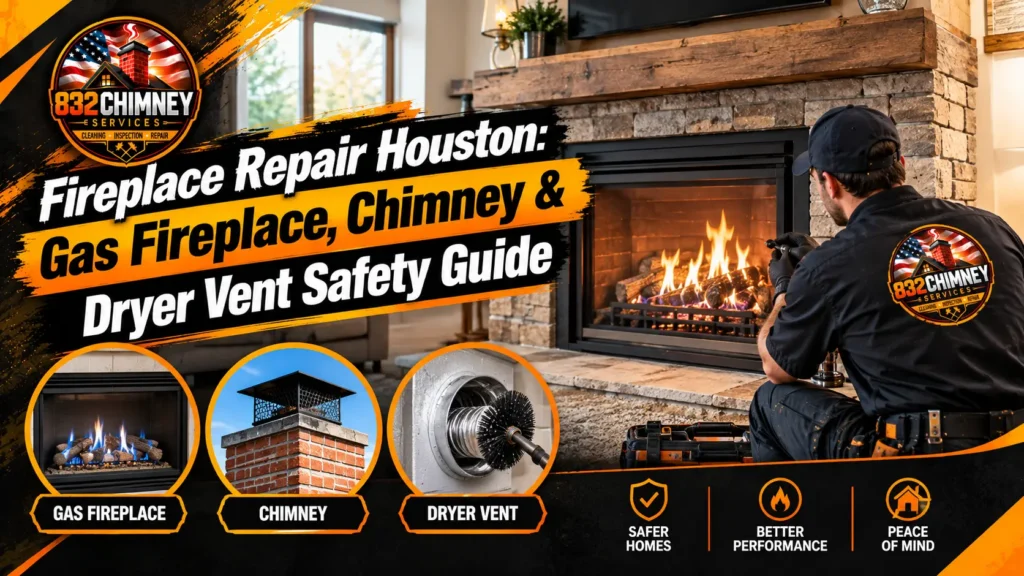

If you own a home in Houston with a fireplace, you already know the weather here can take a toll on your chimney and hearth. Professional Fireplace Repair Houston services can help address weather-related damage and keep your fireplace safe and functional.
This guide walks you through everything Houston homeowners need to know about fireplace repair, gas fireplace troubleshooting, chimney inspections, and cleaning—all in one place.
Houston Fireplace Repair & Safety Basics
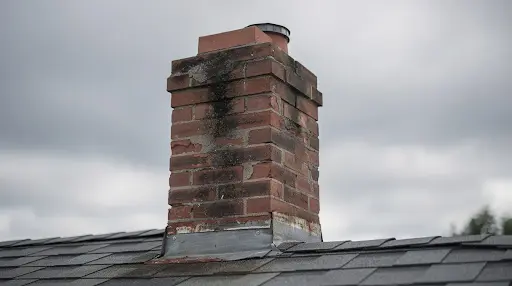
I have seen how Houston’s climate can be hard on fireplace systems. In Houston the humidity often goes above 70 percent. The rain in Houston is more than fifty inches each year. Storms in Houston can bring hurricane wind and flooding. Because of this parts of a fireplace and chimney in Houston get faster than in many other places. Metal parts in Houston like dampers, gas valves and flue liners rust. The brickwork in Houston takes in water makes mortar weaker and lets mold grow. After Hurricane Harvey in 2017, chimney repair pros in Houston said chimney caps were broken, crowns cracked, and bricks wore away in parts of the city.
It helps to understand what type of fireplace you are working with:
- A traditional wood-burning fireplace
- An existing fireplace converted with a gas log set
- A fully built-in gas fireplace system
Visible Signs Your Existing Fireplace Needs Repair
If your fireplace is showing any of the following symptoms, it is time to call a pro:
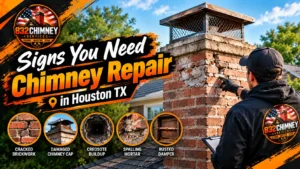
- Crumbling mortar between bricks or at the base of the chimney stack, or loose bricks visible inside or outside the firebox.
- Rusted or warped damper – if the metal flap no longer closes fully or feels stuck, airflow control is compromised.
- Smoke backing into the room even when the damper is open, which suggests drafting issues or a blocked flue.
- Water stains inside the firebox, around the hearth face, or on adjacent walls – a clear sign that moisture is entering through a cracked crown, missing cap, or flashing failure.
- Mildew or mold smell during humid periods, even when the fireplace is not in use, indicating moisture trapped inside the chimney structure.
Gas Fireplace Repair Warning Signs
Gas fireplace repair systems show different symptoms that require prompt attention:
- Gas smell when the unit is off
- Pilot light that won’t stay lit
- Popping or whistling sounds
- Soot buildup on glass fronts
- Weak or uneven flames
Professional servicing ensures gas fireplaces operate safely year-round, so do not ignore these warning signs.
Gas Log Set Issues
Gas log sets can have their own problems that homeowners should be aware of. Here are some things to look out for:
Gas log pieces that are not in place can block the flame path. This can also cause spots near the glass panels. That is not safe.
Burner ports can get blocked by dust, hair from pets, pollen or even spider webs. These are things in homes in Houston.
Older gas log sets those made before 2010 might have problems with their ignition systems. These use a standing pilot of an electronic ignition. This can be a problem.
Gas valves can. Leak if they are old. This is a risk with installations that have been around for a time.
Gas logs should be checked if they are more than ten years old. Even if they look fine they might need attention. Parts, from that time are more likely to corrode. They may also not meet today’s safety rules.
Post-Storm Damage
After major weather events – heavy thunderstorms, tropical storms, and hurricanes that Houston experiences almost every season – chimneys can shift laterally, caps can blow off entirely, and flues can fill with leaves, branches, and animal nests that block exhaust flow. If you have been through a significant storm, schedule an inspection before your next use.
Quick Pre-Call Checklist
Before calling a technician homeowners can go through a simple checklist to help them answer the initial questions more clearly when they call.
- Verify batteries in the control or wall-switch receiver.
- Confirm the gas shutoff valve is in the correct position.
- Check that the thermostat or remote is set correctly.
- Look for cracks in the glass front. If cracked do not operate the unit.
- Clear any debris from around the fireplace or hearth.
Any work involving gas lines, valves, pilot assemblies or ignition systems should always be handled by a technician. These are not DIY repairs.
When To Call for Emergency Fireplace Repair
Some situations simply cannot wait for a scheduled appointment. Here is what counts as urgent.
Active smoke leakage into living spaces while the fireplace is in use.
Symptoms of carbon monoxide exposure: headache, dizziness, nausea or confusion. Chimney blockages can lead to carbon monoxide poisoning, which’s life-threatening.
Visible. Sparks inside walls, ceilings or discoloration beyond the fireplace face.
A strong persistent gas odor when the unit is off.
If you encounter any of these situations take the steps immediately.
Shut off the gas supply if it is safe to do so
Stop using the fireplace or gas log set.
Ventilate the area by opening windows and doors.
Leave the home if you feel any doubt about safety.
The Houston Fire Department handles fire-related emergencies. Center point Energy responds to gas leak and odor calls in the Houston area. Many chimney and fireplace companies in the area also offer 24/7 or same-day emergency service during cold snaps and right, after storms.
Do not relight a gas fireplace. Restart a gas log set until a qualified technician has inspected and cleared the system. A crew that handles emergency fireplace repair can usually diagnose the problem quickly. Tell you whether it is safe to resume use.
Chimney Services, Inspections & Chimney Sweep in Houston
Fireplace repair addresses what is happening inside the firebox and with the fuel system.
Chimney services address everything above around and through the chimney structure and the two go hand in hand.
Without chimney maintenance even a perfectly repaired fireplace can become a hazard.
Annual chimney inspections are essential for safety. Are the foundation of any responsible maintenance plan.
Inspections can identify dangers in chimneys that are invisible from the living room such as cracked flue liners, moisture damage behind masonry, deteriorating crowns and failing flashings.
When combined with a chimney sweep chimney inspections keep the system safe and compliant with NFPA 211 standards.
Here are a few pointers to help you decide what to book:
- If you smell smoke inside or notice soot marks on the mantel or ceiling begin with an inspection.
- If a visual check shows black buildup inside the flue schedule a sweep.
- If you are buying or selling a home a Level 2 inspection is required in transactions.
- If you use gas logs or a direct-vent gas fireplace focus on venting system inspection in addition to the checkup.
Chimney inspections should happen at once, per year. Creosote buildup is a cause of chimney fires and blockages can cause carbon monoxide poisoning. Both problems can be avoided with maintenance.
Gas Fireplace, Gas Log & Dryer Vent Services
Gas fireplace repair, gas log service and dryer vent cleaning might feel like tasks but they are all part of keeping your home safe and efficient. Each of these systems handles heat, exhaust and buildup that can become dangerous if ignored. A gas fireplace that isn’t working right can release gases. Gas logs that aren’t maintained may not burn cleanly.. A dryer vent clogged with lint becomes a serious fire hazard. Taking care of these systems helps protect your family and your home. It also makes your heating and appliances work better and last longer. So while they seem separate they all connect to one goal—safety and smart home performance.
Gas Fireplace Maintenance
Gas fireplaces need maintenance to work well. A standard service in Houston covers these steps:
- Cleaning the glass panels and burner parts and making sure all gas ports are clear.
- Checking ignition parts: pilot systems, spark modules, thermocouples and thermopiles.
- Looking at gas valves and solenoids for any leaks or sticking issues.
- Making sure the venting system—whether direct-vent, B-vent or ventless—is following building codes.
- Testing the flame height and color. A bright blue flame means combustion. If the flame is yellow or looks weak that’s a sign of a problem.
- Checking that carbon monoxide detectors are placed near the fireplace and have not passed their replacement date. Most CO detectors should be swapped out every five to seven years.
Gas fireplaces bring both flexibility and energy efficiency which’s why many homes in Houston choose them. That efficiency only stays strong, with regular care. Switching to a gas insert can make things even better in older homes where the fireplace was built for wood fires.
Gas Log Service
Professional gas log service includes:
- Confirming proper log placement so that burner ports are not blocked – misalignment is common after cleaning or any physical disturbance.
- Clearing burner orifices of dust, lint, and debris.
- Checking flex lines and hose connections for deterioration and corrosion.
- Testing for gas leaks with electronic sniffers and pressure tests.
- Verifying that the gas log set fits the size and venting configuration of the existing fireplace.
Dryer Vent Services
Many fireplace services companies in Houston now bundle dryer vent cleaning with chimney work and gas fireplace work. For good reason. Both the dryer vent cleaning system and the gas fireplace maintenance system deal with heat, exhaust and buildup that can create house fire risks if dryer vent cleaning or gas fireplace maintenance is ignored.
Dryer vent cleaning is especially important in Houston’s humid climate. Long vent runs. Common in townhomes and condos. Trap lint and moisture encourage mold growth and significantly increase fire risk. Signs that dryer vent cleaning is needed include:
- Clothes take more than one cycle to dry.
- A laundry room that feels unusually hot or warm during operation.
- Musty or mildew smells on clothing after drying.
- Visible lint buildup at the vent hood.
Homeowners often schedule gas fireplace maintenance, gas log service, chimney inspections and dryer vent cleaning in the fall. Typically from September, through November. To minimize disruption and take advantage of better scheduling availability before the season becomes busy.
Choosing a Reliable Houston Fireplace & Chimney Company
Many fireplace services companies in Houston now bundle dryer vent cleaning with chimney work and gas fireplace work. For good reason. Both the dryer vent cleaning system and the gas fireplace maintenance system deal with heat, exhaust and buildup that can create house fire risks if dryer vent cleaning or gas fireplace maintenance is ignored.
Dryer vent cleaning is especially important in Houston’s humid climate. Long vent runs. Common in townhomes and condos. Trap lint and moisture encourage mold growth and significantly increase fire risk. Signs that dryer vent cleaning is needed include:
- Clothes take more than one cycle to dry.
- A laundry room that feels unusually hot or warm during operation.
- Musty or mildew smells on clothing after drying.
- Visible lint buildup at the vent hood.
Homeowners often schedule gas fireplace maintenance, gas log service, chimney inspections and dryer vent cleaning in the fall. Typically from September, through November. To minimize disruption and take advantage of better scheduling availability before the season becomes busy.
Seasonal Maintenance Calendar
| Season | Action |
| Pre-Fall (Sep–Oct) | Schedule inspection, chimney sweep, gas fireplace testing, and replacement of weather-worn parts like caps and crowns |
| Mid-Winter (Jan) | Quick safety check if usage has been heavy – look for smoke issues, check seals after any storms |
| Post-Storm (Any time) | Inspect chimney structure, cap, flashing, and venting after tropical storms, hurricanes, or severe thunderstorms |
This simple calendar keeps you ready for each season without scrambling when the first cold front hits.
Detector and Alarm Reminders
- Test smoke alarms and carbon monoxide detectors at least twice a year.
- Replace CO detectors according to manufacturer guidelines – typically every 5–7 years. Smoke detectors generally last about 10 years.
- If you have any gas fireplace or gas log installation in your home, working CO detectors are not optional. They are a necessity.
Take Action Before the Next Cold Snap
Do not wait until the chilly evening of the season to discover that your fireplace will not light or your chimney is blocked. Houston’s winters may be short. The risks of a neglected fireplace system— from house fires to carbon monoxide exposure, are real and preventable.
Schedule a fireplace service and chimney cleaning now. Whether you are located inside the Loop or out, in The Woodlands the right crew can handle everything in one visit to keep your home safe your fireplace working well and your family happy as winter comes.